A Simple Sign Seen at Every Beginning
Before a wedding invitation is printed, before a new home is entered, before new account books are opened on Diwali, one small sign is almost always drawn first: the swastika. Made of a cross with each arm bent at a right angle, it is drawn in kumkum, turmeric or sindoor on doorways, kalash, gift boxes and ledgers.
For many outside India, the shape may seem unfamiliar. Within Hindu tradition, however, it has meant one thing consistently for thousands of years: auspiciousness and well-being, drawn to bless whatever begins in its presence.
What the Word Swastika Actually Means
The word comes from the Sanskrit "su", meaning good, and "asti", meaning to be or to exist, combined with the suffix "ka". Put together, swastika means something close to "that which brings well-being" or "may goodness be." It is counted among the oldest auspicious marks in Hindu tradition, referenced in ancient texts as a sign drawn before rituals to invoke good fortune.
It is traditionally drawn before worshipping Ganesha, remover of obstacles, and before Lakshmi puja, since both deities are invoked at the start of new ventures. Many families will not begin an important ritual without first marking a swastika nearby.
What the Four Arms Represent
The four arms of the swastika are read in Hindu tradition in more than one way. Some see them as representing the four directions, reminding devotees that the divine and its blessings extend everywhere. Others connect them to the four Vedas, the four purusharthas or life goals (dharma, artha, kama, moksha), or the four stages of life.
The rotational shape, arms bent as though the whole sign is turning, is often understood to represent the continuous cycle of time and the ever-moving wheel of the cosmos. In this reading, the swastika is less a static picture and more a symbol of motion, growth and ongoing good fortune.
Where the Swastika Is Drawn Today
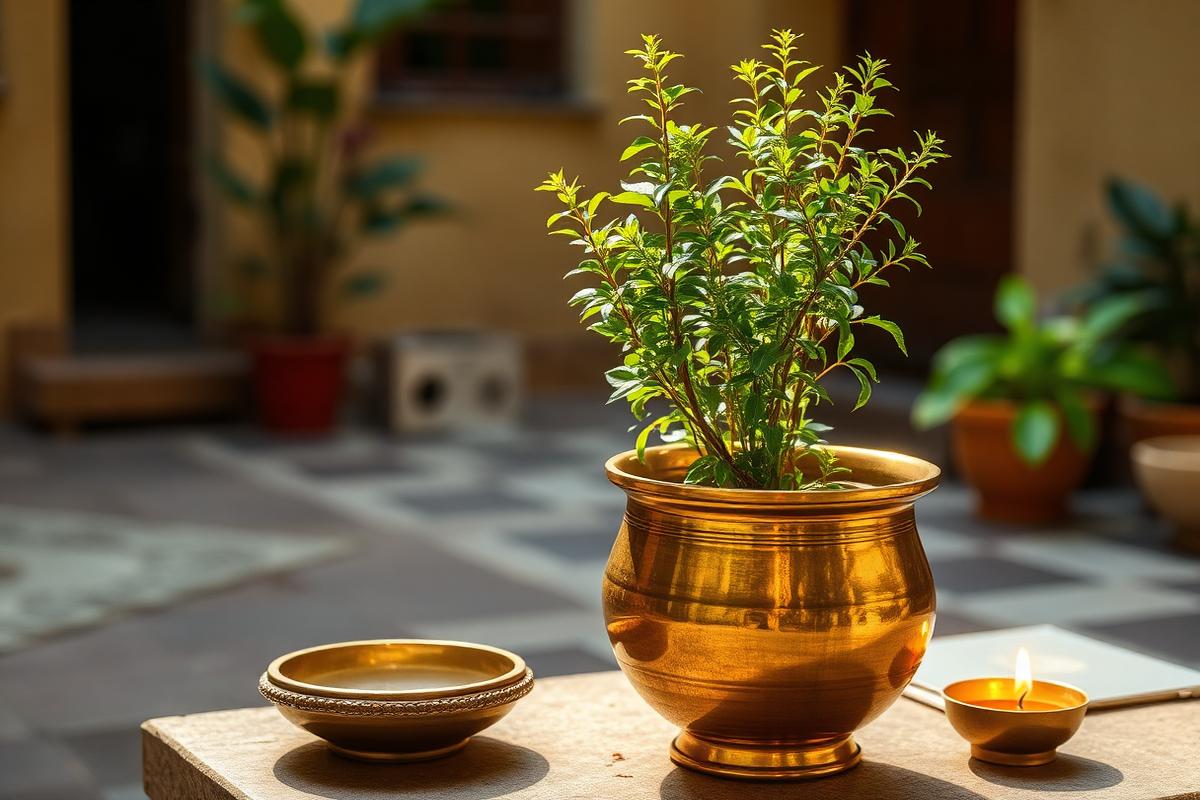
The swastika continues to appear at nearly every major Hindu occasion.
- On the kalash and entrance during Griha Pravesh (housewarming) ceremonies
- On new account books during Chopda Pujan at Diwali
- On wedding invitations, gift boxes and the mandap during weddings
- At the threshold of homes and shops, redrawn fresh on many festival mornings
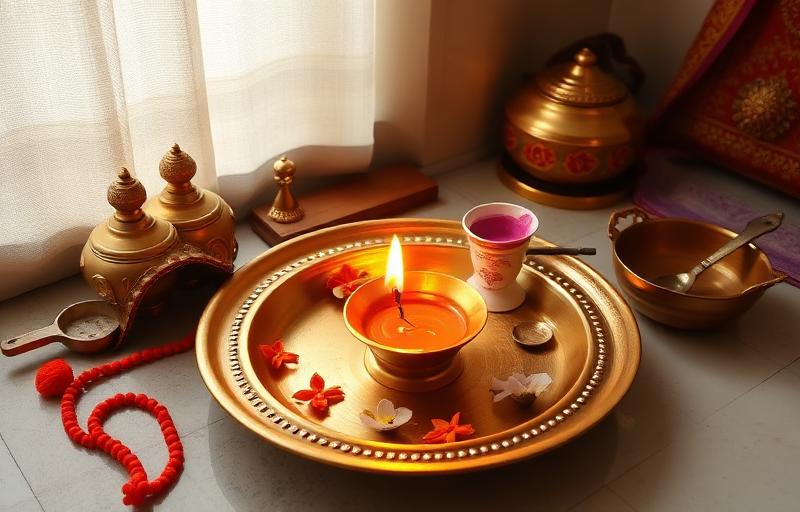
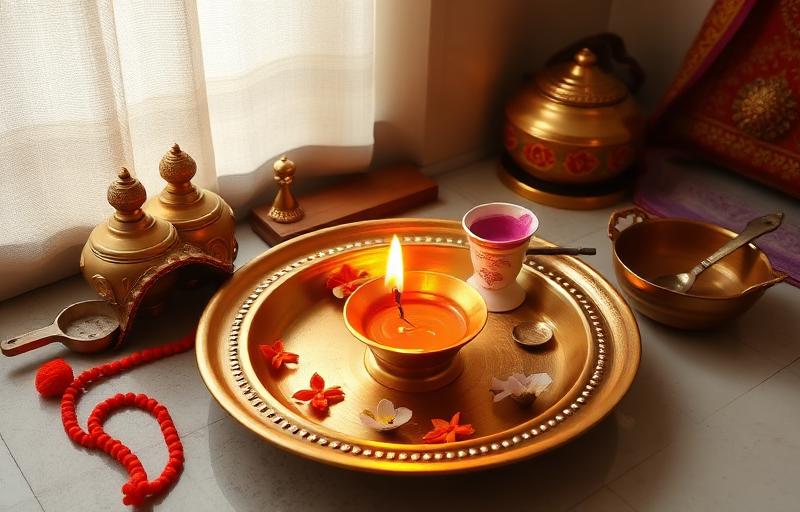
- On puja thalis and diyas alongside other auspicious marks
It is almost always drawn by hand with kumkum, turmeric paste or a red or yellow powder, a small act many perform without a second thought, precisely because it has become second nature.
A Small Mark, A Big Wish
Drawing a swastika takes only a few seconds, yet it carries within it a wish for goodness, protection and prosperity for whatever follows. Whether on a new home's threshold or the first page of a fresh ledger, it stands as a quiet reminder that every beginning deserves to be met with hope. Worship, in ways as small as this, remains an act of faith and love, not a transaction.
Frequently Asked Questions
What does the word swastika literally mean?+
It comes from the Sanskrit su (good) and asti (to be), together meaning something close to 'may goodness be' or 'that which brings well-being.'
Is the swastika connected to only one deity?+
No, it is drawn broadly as a general sign of auspiciousness, though it is closely associated with Ganesha and Lakshmi puja at the start of new ventures.
When is it most commonly drawn?+
It appears most often during Griha Pravesh, Diwali's Chopda Pujan, weddings and other occasions marking a fresh, important start.
About the author
Pandit Mahesh Trivedi · Festival Traditions & Panchang
Pandit Mahesh leads the festival-date and Panchang content on Vandnaa. He cross-references multiple regional panchangs (Drik, Vaishnava, Bengali, Marathi) for every festival date published on the site.
Meet the Vandnaa editorial team →