
The Sacred Number 108
Across Hindu, Buddhist and yogic traditions, 108 is the most sacred of numbers. A japa mala has exactly 108 beads, mantras are repeated 108 times, and many stotras list 108 names of a deity. The number is treated as a complete, whole cycle - chanting 108 times is said to align the individual with the rhythm of the cosmos and to make one round of devotion poorna (complete).
The Cosmic and Mathematical Meaning
Several beautiful explanations meet at 108. It is 12 x 9 - the twelve zodiac signs (rashis) multiplied by the nine planets (navagraha). It is also the 27 nakshatras x 4 padas (quarters), mapping the whole sky. Astronomers note that the distance from the Earth to the Sun and to the Moon is about 108 times their diameters. In this way 108 quietly holds the structure of time, space and the heavens within a single round of the mala.
The Scriptural and Symbolic Reason
Tradition counts 108 Upanishads, 108 sacred sites and 108 names of many deities. Yogic texts speak of 108 energy lines (nadis) converging at the heart chakra, and the Sushumna nadi as the path to the crown. The mala's 109th bead, the Sumeru (Guru bead), is never crossed - it represents the guru or the divine, marking where one round ends and reminding the seeker to turn back rather than step over the source.
The Scientific and Psychological Angle
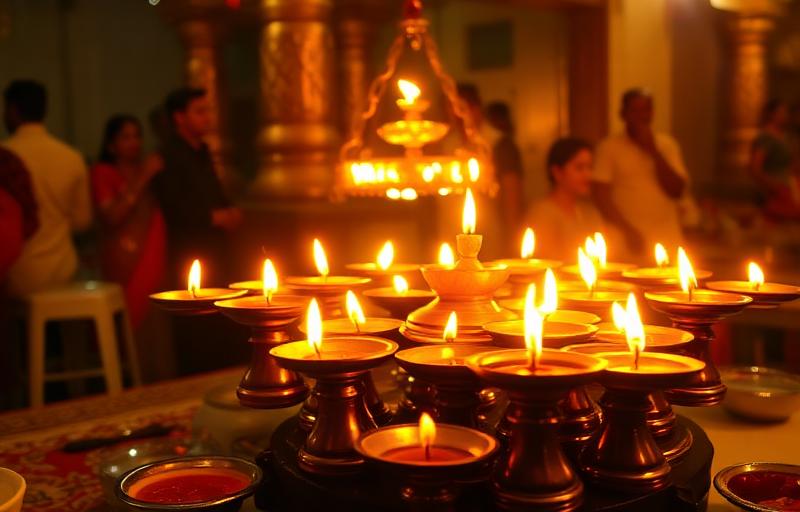
Repeating a mantra 108 times takes roughly ten to fifteen minutes - long enough to slow the breath, lower the heart rate and shift the mind into a calm, meditative state. The bead-by-bead counting keeps the wandering mind anchored, so attention does not drift. Research on mantra and meditation links such repetition to reduced stress, lower blood pressure and better focus. The fixed number of 108 also removes the distraction of 'how long should I chant', letting devotion flow freely.
Correct Jap Vidhi - How to Chant on a Mala
1. Sit on a clean aasan facing east or north, after bathing if possible. 2. Hold the mala in the right hand, draped over the middle finger; the index finger (ego) does not touch the beads. 3. Move each bead with the thumb, chanting one repetition per bead. 4. Start from the bead next to the Sumeru (Guru) bead and chant until you reach it again - one full round of 108. 5. To chant more rounds, do not cross the Sumeru - turn the mala around and continue. 6. Keep the mind on the meaning and the deity, not just the count.
Common Mistakes to Avoid
Never let the mala touch the floor or feet, and do not chant in an impure or distracted state. Avoid using the index finger to move beads, and do not cross the Sumeru bead - turning back is essential. Chanting too fast just to finish 108 defeats the purpose; the mind, not the fingers, must do the work. Keep a personal mala for your own ishta mantra rather than sharing it casually.
Benefits of Chanting 108 Times
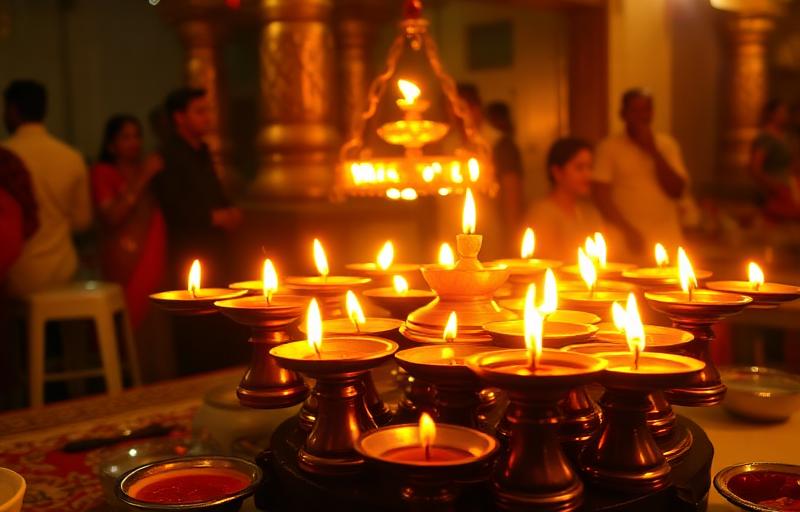
Chanting a mantra 108 times daily steadies the mind, deepens devotion and builds a strong, consistent spiritual habit. It calms anxiety, improves concentration and breathing, and creates a protective, positive vibration around the practitioner. Over time, the discipline of completing one mala becomes an anchor of peace - a small, complete act of surrender repeated until it transforms the heart.
Common Questions From Devotees
Why do we chant a mantra 108 times?+
108 is considered a complete cosmic number, and a japa mala has 108 beads. Chanting 108 times makes one full round of devotion, aligns the mind with the cosmic rhythm and takes long enough to deepen meditation.
What does the number 108 stand for?+
108 is 12 zodiac signs times 9 planets, and also 27 nakshatras times 4 padas, mapping the whole sky. The distance of the Sun and Moon from Earth is about 108 times their diameters, so 108 symbolises cosmic wholeness.
What is the 109th bead on a mala for?+
The 109th bead is the Sumeru or Guru bead. It represents the guru or the divine and is never crossed. When you reach it, you turn the mala around and continue, marking the end of one round of 108.
How should I hold the mala while chanting?+
Hold the mala in the right hand over the middle finger and move each bead with the thumb. The index finger, linked to ego, should not touch the beads. Sit facing east or north on a clean aasan.
Does chanting 108 times have scientific benefits?+
Yes. One mala takes about ten to fifteen minutes, long enough to slow the breath, lower the heart rate and calm the mind. Research links mantra repetition to reduced stress, lower blood pressure and improved focus.
Can I chant fewer than 108 times if short on time?+
Yes. While 108 is ideal, even a smaller, sincere count like 11, 21 or 54 with full attention is valued. Quality of focus matters more than quantity; do what you can do calmly and regularly.
About the author
Acharya Vinaya Kapoor · M.A. Sanskrit, Mantra & Stotra Studies
Acharya Vinaya holds an M.A. in Sanskrit from Banaras Hindu University and writes the mantra and stotra commentary on Vandnaa. Her focus is on accurate pronunciation, traditional context, and helping modern readers connect with classical texts.
Meet the Vandnaa editorial team →Explore on Vandnaa
Related Articles

Why We Do Havan (Yagna) - Significance & Benefits
10 min read

Why We Fast on Monday (Somvar Vrat) - Significance for Shiva
9 min read

Gayatri Mantra Meaning, Benefits & How to Chant (गायत्री मंत्र)
12 min read
Maha Mrityunjaya Mantra: Meaning & Benefits (महा मृत्युंजय मंत्र)
9 min read
Hare Krishna Maha Mantra – Lyrics, Meaning & Benefits
9 min read
108 Names of Lord Krishna: Complete List with Meaning, Benefits & How to Chant Daily
12 min read