What Is Visarjan
Visarjan means 'to release' or 'to let go'. It is the ritual of immersing a deity's idol - most famously Ganesha during Ganesh Chaturthi and Durga during Navratri - into a river, lake or sea at the end of the festival. After days of welcoming the divine into our home with prayer, food and song, we lovingly bid the deity farewell and return the idol to the waters of nature.
The Spiritual Meaning
The deepest teaching of Visarjan is non-attachment (vairagya). The divine itself is formless and eternal; we invoke it into a clay form so we can love and serve it during the festival, and then we let the form go, knowing the divine never leaves us. It reminds us that nothing in this world is meant to be clung to - even what is most precious is welcomed, honoured and then released with grace.
Invoking and Releasing the Divine
In tradition, worship begins with Pran Pratishtha - invoking the living presence (prana) of the deity into the idol through mantras. The idol becomes a sacred home for the divine for the days of the festival. Visarjan is the respectful counterpart: through final prayers, the divine presence is released back to its formless, infinite state, and the clay returns to the elements. The form is temporary; the divine is forever.
The Cycle of Creation and Dissolution
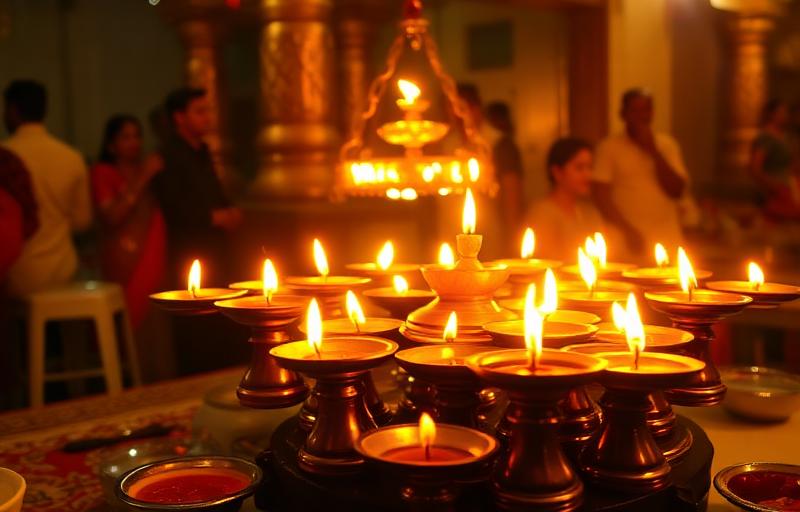
Visarjan mirrors the great cosmic truth that everything that is created must one day dissolve, only to be born again. The idol is made of clay (earth) and returned to water, completing nature's cycle. Just as rivers flow back to the sea and return as rain, the deity comes, blesses, and returns - teaching us that endings are not loss but a natural and sacred part of the rhythm of life.
The Correct and Eco-Friendly Practice
Traditionally idols were made of natural clay that dissolves cleanly in water. To honour both the deity and nature today: 1. Choose eco-friendly clay idols with natural colours, not plaster of Paris or chemical paints. 2. Perform a final aarti and prayer, thanking the deity and asking forgiveness for any mistakes in worship. 3. Immerse gently in clean water, or use a home immersion bucket and later use the water for plants. 4. Remove plastic, cloth and decorations before immersion to keep water bodies clean. The devotion lies in the respect, not the size of the idol.
The Lesson and Blessing of Visarjan
Visarjan blesses the devotee with the peace that comes from letting go. It softens our grip on people, possessions and outcomes, and teaches that love does not require holding on. As we cry 'Ganpati Bappa Morya, pudhchya varshi lavkar ya' (come again soon next year), we celebrate that the divine always returns. The festival ends, but the joy, faith and lesson of non-attachment stay with us all year.
Common Questions From Devotees
Why do we immerse idols in water?+
The formless divine is invoked into a clay idol for the festival, then released back to nature through immersion. It teaches non-attachment and reflects the cosmic cycle of creation and dissolution.
What does Visarjan teach us?+
Visarjan teaches non-attachment - that even what is most precious is welcomed, honoured and then released with grace. It reminds us the divine is formless and eternal, and nothing in this world is meant to be clung to.
What is Pran Pratishtha?+
Pran Pratishtha is the ritual of invoking the living presence of the deity into the idol through mantras at the start of worship. Visarjan is its counterpart, releasing that presence back to its formless state.
How can Visarjan be done in an eco-friendly way?+
Use natural clay idols with natural colours, remove plastic and decorations before immersion, and consider a home immersion bucket whose water can later nourish plants, keeping rivers and lakes clean.
Does the divine leave when the idol is immersed?+
No. The clay form is temporary, but the divine is formless and forever. We release the form while knowing the deity's blessings and presence remain with us, and that the divine always returns.
Why do we say 'come again next year' at Visarjan?+
Chanting 'Ganpati Bappa Morya, pudhchya varshi lavkar ya' celebrates that the divine always returns. It turns farewell into joyful anticipation, affirming faith in the eternal cycle of the deity's coming and going.
About the author
Anjali Mehta · Editor, M.A. Religious Studies
Anjali is the managing editor for Vandnaa and oversees the festival and vrat coverage. She holds an M.A. in Religious Studies and reviews every published article for accuracy, accessibility, and tradition-fidelity.
Meet the Vandnaa editorial team →Explore on Vandnaa
Related Articles
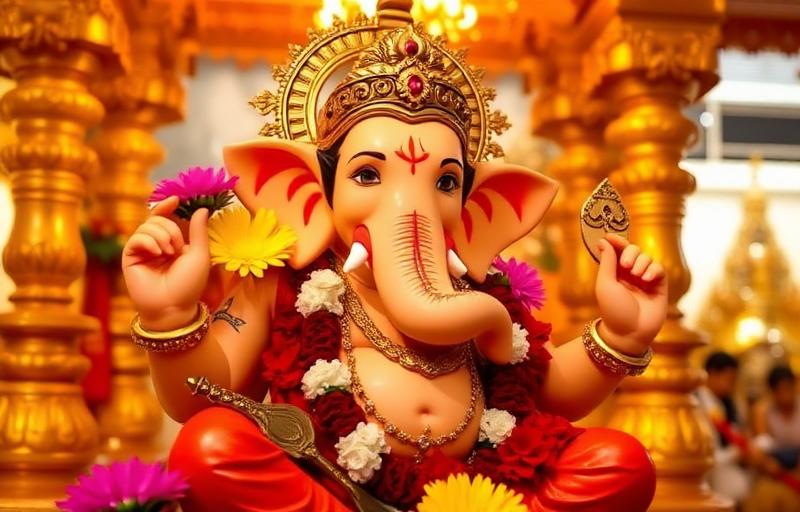
Ganesh Aarti Lyrics – Jai Ganesh Deva (गणेश आरती)
8 min read
Ganesh Chalisa Lyrics & Meaning in Hindi (गणेश चालीसा)
9 min read
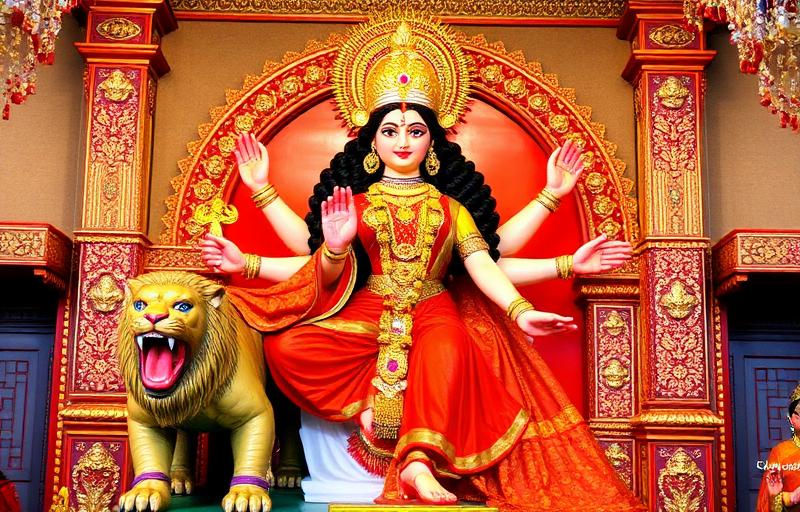
Durga Aarti Lyrics – Ambe Tu Hai Jagdambe Kali (दुर्गा आरती)
8 min read
Sharad Navratri 2026: 9 Days Colors, Puja Vidhi, Vrat Rules & Kanya Pujan Guide
10 min read
Why We Feed the Cow the First Roti (Gau Gras) - Significance
8 min read

Why No Onion & Garlic in Sattvic Food - Significance
9 min read