What Is the Argala Stotram
The Argala Stotram is a powerful hymn to Maa Durga that forms part of the Durga Saptashati (also called Chandi Path or Devi Mahatmya). Along with the Devi Kavach and the Keelak, it is one of the three preliminary prayers (angas) recited before beginning the main thirteen chapters. The word argala means a bolt or latch - this stotram is said to unlock the full fruit of the Saptashati path. It is attributed to the sage tradition of the Markandeya Purana.
Significance and Place in the Saptashati
Tradition holds that the Saptashati path is incomplete and its rewards locked unless the three angas are recited first. The Argala Stotram acts like the bolt that secures and releases the blessing of the Devi Mahatmya. Its verses repeatedly invoke the Goddess with the refrain seeking roopam (beauty), jayam (victory), yasho (glory) and the destruction of enemies. It is recited especially during Navratri, on Ashtami and Navami, and during Chandi havan.
Opening Verses - Transliteration and Devanagari
The stotram opens by invoking the many fierce and gentle forms of the Goddess:
Om Jayanti Mangala Kali Bhadrakali Kapalini. Durga Kshama Shiva Dhatri Swaha Swadha Namostute.
The famous repeating refrain (sample):
Roopam dehi jayam dehi yasho dehi dvisho jahi.
This line - 'Grant me beauty, grant me victory, grant me glory, and destroy my foes' - returns through the hymn as the heart of the prayer.
Meaning of the Prayer

The Argala Stotram praises the Goddess as the source of all power, the remover of suffering and the giver of every good thing. The devotee does not ask only for material gain - roopam also means inner radiance, jayam victory over one's own weaknesses, and yasho an honest, respected life. By repeating these requests with surrender, the worshipper places every fear and desire at the feet of Maa Durga and asks her to bolt away all that harms.
How and When to Recite
1. Bathe and wear clean clothes; face east or north before an image of Maa Durga. 2. Light a ghee or sesame oil lamp and offer red flowers, kumkum and a little water. 3. Recite the Argala Stotram first, followed by the Keelak, before beginning the Saptashati chapters; the Devi Kavach precedes all three in full path. 4. Read slowly and clearly, holding the meaning in the heart. 5. Conclude with a Durga aarti and pranam. Navratri, Tuesdays, Fridays and Ashtami are especially auspicious for this recitation.
Benefits of the Argala Stotram
Reciting the Argala Stotram is believed to grant victory over enemies and obstacles, beauty and confidence, fame and respect, and the destruction of negativity. It is said to remove fear, strengthen the mind, and unlock the complete blessing of the Durga Saptashati path. Above all, sincere recitation deepens the devotee's surrender to Maa Durga and brings a sense of protection and inner strength.
Tips for Beginners
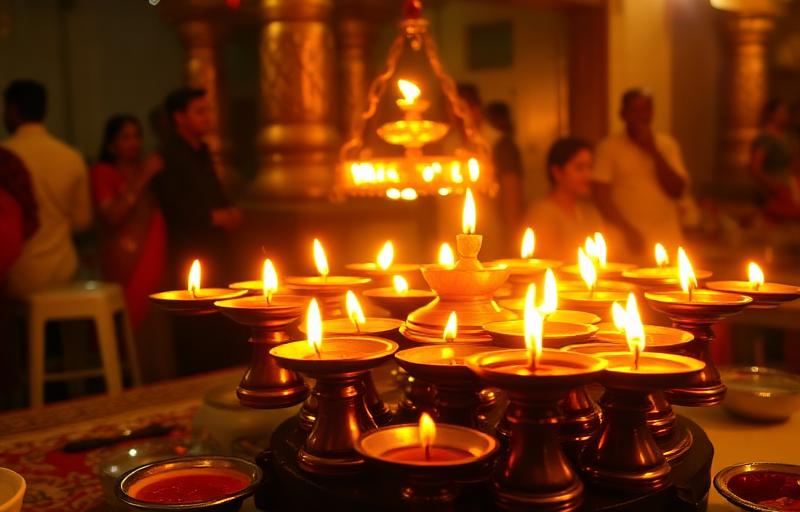
If you are new to the Saptashati, begin by learning the Argala Stotram alone with correct pronunciation before attempting the full path. Listen to an authentic recitation, follow the printed text, and do not rush. Maintaining inner cleanliness and a humble, focused mind matters more than speed, and reciting even this single stotram daily during Navratri carries great merit.
Frequently Asked Questions
What is the Argala Stotram?+
It is a hymn to Maa Durga that is part of the Durga Saptashati. Along with the Devi Kavach and Keelak, it is one of the three prayers recited before the main thirteen chapters of the path.
What does 'Roopam dehi jayam dehi' mean?+
It means 'Grant me beauty, grant me victory, grant me glory, and destroy my foes.' This refrain repeats through the stotram and is considered its heart, asking Maa Durga for all-round well-being.
When should the Argala Stotram be recited?+
It is recited before the Durga Saptashati path, especially during Navratri, on Ashtami and Navami, and on Tuesdays and Fridays. It can also be recited on its own as a daily Durga prayer.
What are the benefits of reciting it?+
It is believed to grant victory over enemies and obstacles, beauty, confidence, fame and protection from negativity, and to unlock the full blessing of the Durga Saptashati path.
Can the Argala Stotram be recited alone?+
Yes. While traditionally part of the Saptashati path, it can also be recited on its own as a short, powerful Durga prayer, especially by those new to the longer Chandi Path.
Why is it called 'Argala'?+
Argala means a bolt or latch. The stotram is seen as the bolt that secures and releases the complete fruit of the Durga Saptashati, ensuring the path's blessings are fully received.
About the author
Acharya Vinaya Kapoor · M.A. Sanskrit, Mantra & Stotra Studies
Acharya Vinaya holds an M.A. in Sanskrit from Banaras Hindu University and writes the mantra and stotra commentary on Vandnaa. Her focus is on accurate pronunciation, traditional context, and helping modern readers connect with classical texts.
Meet the Vandnaa editorial team →Explore on Vandnaa
Related Articles
Devi Kavach - Lyrics, Meaning & Benefits
9 min read
Durga Aarti Lyrics – Ambe Tu Hai Jagdambe Kali (दुर्गा आरती)
8 min read
Durga Chalisa Lyrics in Hindi & English with Meaning
9 min read
Sharad Navratri 2026: 9 Days Colors, Puja Vidhi, Vrat Rules & Kanya Pujan Guide
10 min read

Gayatri Mantra Meaning, Benefits & How to Chant (गायत्री मंत्र)
12 min read

Purusha Suktam - Lyrics, Meaning & Benefits
10 min read