What Is the Devi Kavach
The Devi Kavach (Devyah Kavacham) is a sacred hymn of protection that forms part of the Durga Saptashati within the Markandeya Purana. The word kavach means armour or shield. In this prayer, sage Markandeya describes how the nine forms of Durga (Navadurga) and her attendant powers stand guard over each part of the devotee - head, eyes, heart, hands, feet and even the directions and the path of life. It is the first of the three angas recited before the Saptashati path.
Significance as Spiritual Armour
The Devi Kavach is recited to wrap the devotee in the Goddess's protection from all directions, all dangers and all unseen forces. It is considered especially powerful against fear, enemies, illness, accidents and negative energy. Because it places the divine forms on each body part, it is often called a suraksha kavach (shield of safety). It is read first among the three angas, before the Argala Stotram and Keelak, when performing the complete Chandi Path.
Opening Verses - Transliteration and Devanagari
The Kavach begins by naming the nine forms of Durga:
Prathamam Shailaputri cha dvitiyam Brahmacharini. Tritiyam Chandraghanteti Kushmandeti chaturthakam.
A sample protective verse:
Shiro me Vaishnavi paatu chakshushi cha Shivapriya. Karnau cha Bhubaneshani naasikayaam tu Mohini.
This means the form Vaishnavi protects the head, Shivapriya the eyes, Bhubaneshani the ears, and so on across the whole body.
Meaning of the Armour
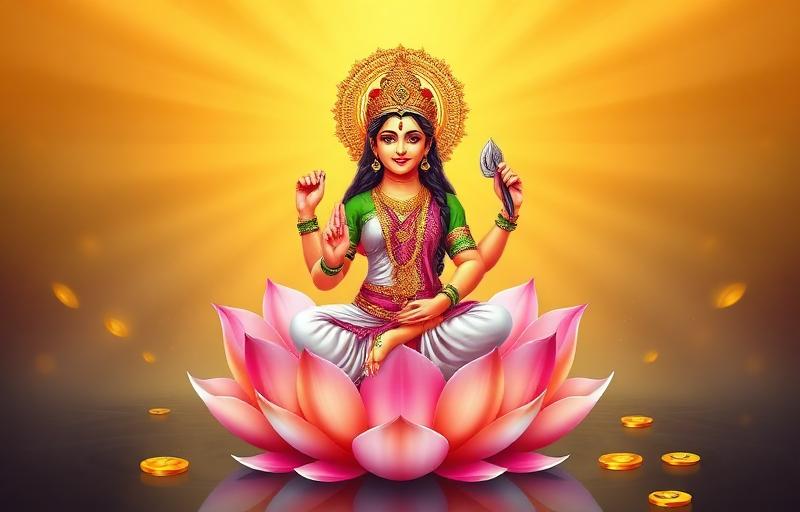
Each verse of the Devi Kavach assigns a specific form of the Goddess to guard a specific part of the body or aspect of life. Beyond the physical body, the prayer asks the Goddess to protect one in waking, sleeping and travel, and to remove fear, debt, disease and enemies. The deeper meaning is total surrender - the devotee covers themselves entirely in divine grace, trusting that no part of life is left unguarded.
How and When to Recite
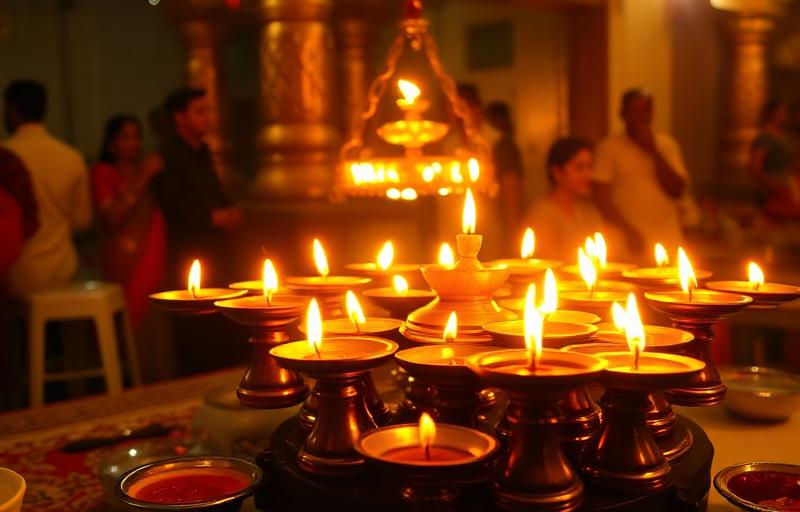
1. Bathe, wear clean clothes and sit before an image of Maa Durga, facing east or north. 2. Light a ghee lamp; offer red flowers, kumkum and incense. 3. In the full Chandi Path, recite the Devi Kavach first, then the Argala Stotram and Keelak, before the thirteen chapters. 4. Read attentively, feeling the Goddess guarding each part of the body as it is named. 5. Close with a Durga aarti and pranam. Navratri, Tuesdays and Fridays are most auspicious, and many devotees recite the Kavach daily for ongoing protection.
Benefits of the Devi Kavach
Reciting the Devi Kavach is believed to grant all-round protection of body, mind and home, freedom from fear, enemies, illness and accidents, and shielding from negative energy and unseen harm. It is said to bring courage, peace and a sense of being watched over by the Goddess at all times. As part of the Saptashati, it strengthens the merit and protective power of the whole path.
Tips for Recitation
Because the Kavach names many forms of the Goddess in Sanskrit, learn the pronunciation slowly from an authentic source before regular recitation. There is no harm in reading from a clean printed text. Maintain cleanliness, a calm mind and genuine devotion, and avoid reciting hastily. Even reading the Kavach alone, with faith, is considered a complete act of protection.
Quick Answers
What is the Devi Kavach?+
The Devi Kavach is a protective hymn from the Durga Saptashati in which the nine forms of Durga guard every part of the devotee's body and life. It is the first of the three prayers recited before the path.
What does 'kavach' mean?+
Kavach means armour or shield. In this prayer the Goddess's forms become a spiritual armour, protecting the head, eyes, ears, heart, limbs and the whole of the devotee's life.
Which is recited first - Kavach, Argala or Keelak?+
In the full Chandi Path, the Devi Kavach is recited first, followed by the Argala Stotram and then the Keelak, before beginning the thirteen chapters of the Durga Saptashati.
What are the benefits of the Devi Kavach?+
It is believed to grant all-round protection of body, mind and home, freedom from fear, enemies, illness and accidents, and shielding from negative energy, while bringing courage and peace.
Can the Devi Kavach be recited daily on its own?+
Yes. Many devotees recite the Devi Kavach daily as a standalone prayer for ongoing protection, even without reading the full Durga Saptashati path.
Who can recite the Devi Kavach?+
Anyone with faith and a clean, humble heart can recite the Devi Kavach, regardless of gender. Correct pronunciation and sincere devotion matter more than any restriction.
About the author
Acharya Vinaya Kapoor · M.A. Sanskrit, Mantra & Stotra Studies
Acharya Vinaya holds an M.A. in Sanskrit from Banaras Hindu University and writes the mantra and stotra commentary on Vandnaa. Her focus is on accurate pronunciation, traditional context, and helping modern readers connect with classical texts.
Meet the Vandnaa editorial team →Explore on Vandnaa
Related Articles
Argala Stotram (Durga Saptashati) - Lyrics, Meaning & Benefits
9 min read
Durga Aarti Lyrics – Ambe Tu Hai Jagdambe Kali (दुर्गा आरती)
8 min read
Durga Chalisa Lyrics in Hindi & English with Meaning
9 min read
Sharad Navratri 2026: 9 Days Colors, Puja Vidhi, Vrat Rules & Kanya Pujan Guide
10 min read

Maha Mrityunjaya Mantra: Meaning & Benefits (महा मृत्युंजय मंत्र)
9 min read
Purusha Suktam - Lyrics, Meaning & Benefits
10 min read