What Is Ashwin Maas and When Does It Fall in 2026
Ashwin is the seventh month of the Hindu lunar calendar, and in 2026 it falls roughly across September and October. It is a month of two moods, perfectly balanced. Its Krishna Paksha is the solemn fortnight of Pitru Paksha, when families offer shraddha and tarpan to their ancestors. Then, with the new moon behind, the Shukla Paksha bursts into Sharad Navratri - nine nights of the Goddess - rising through Durga Ashtami to Vijayadashami (Dussehra) and ending in the moonlit serenity of Sharad Purnima. The rains withdraw, the sky clears, and the season called Sharad begins. Every observance here follows a lunar tithi, so confirm exact dates on the Vandnaa Panchang before you plan your vrats. Few stretches of the Hindu year hold such a complete arc of feeling - from the hush of remembrance to the drumbeat of victory - within the span of a single month.
Why Ashwin Is a Holy Month - The Scriptural Basis
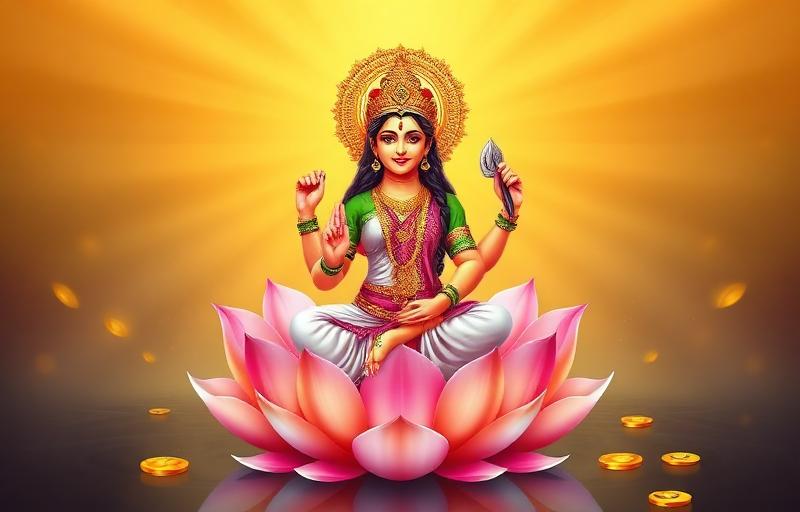
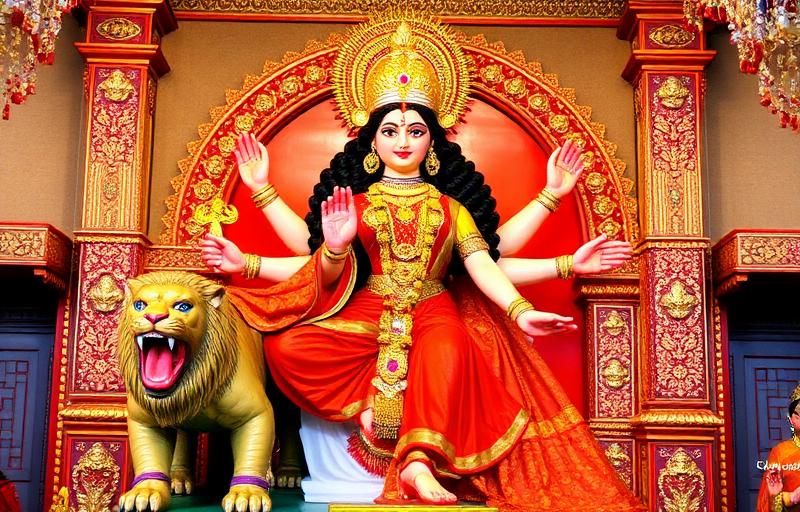
Ashwin's sanctity rests on the Devi Mahatmya (Durga Saptashati) of the Markandeya Purana, which narrates how Maa Durga, formed from the combined radiance of all the devas, battled the buffalo demon Mahishasura for nine nights and slew him on the tenth day - the victory celebrated as Vijayadashami. The Ramayana tradition adds that Lord Rama worshipped Durga in this season before defeating Ravana, which is why Dussehra also burns Ravana's effigy. The month's first fortnight belongs to the pitrs: the Garuda Purana and dharmashastras teach that ancestors come near during Pitru Paksha and are nourished by shraddha performed with faith. Gratitude to those behind us, and shakti for the battles ahead of us - that is Ashwin's complete teaching. This is also why Navratri begins immediately after Sarva Pitru Amavasya: only when the debt of gratitude has been paid does the worship of shakti truly begin, with the ancestors' blessings standing behind the devotee.
Pitru Paksha - The Fortnight of the Ancestors
The Krishna Paksha of Ashwin (counted from Bhadrapada Purnima) is Pitru Paksha, when shraddha is offered on the tithi matching the day an ancestor departed. The simple daily practice is tarpan - offering water mixed with black til while facing south and reciting the names of three generations. Indira Ekadashi, falling within this fortnight, is kept specifically for the upliftment of ancestors. The fortnight closes on Sarva Pitru Amavasya, when shraddha can be offered for all departed souls, including those whose tithis are unknown. Feeding brahmins, cows, crows and dogs, and giving food and clothing to the needy, are the heart of the observance. Done with shraddha (faith), these rites are said to bring the blessings of contented pitrs upon the whole family line. If elaborate rites are not possible, the shastras accept the simplest offering - water, black til and a sincere heart - given with the ancestor's name and gotra remembered.
Sharad Navratri, Vijayadashami and Sharad Purnima
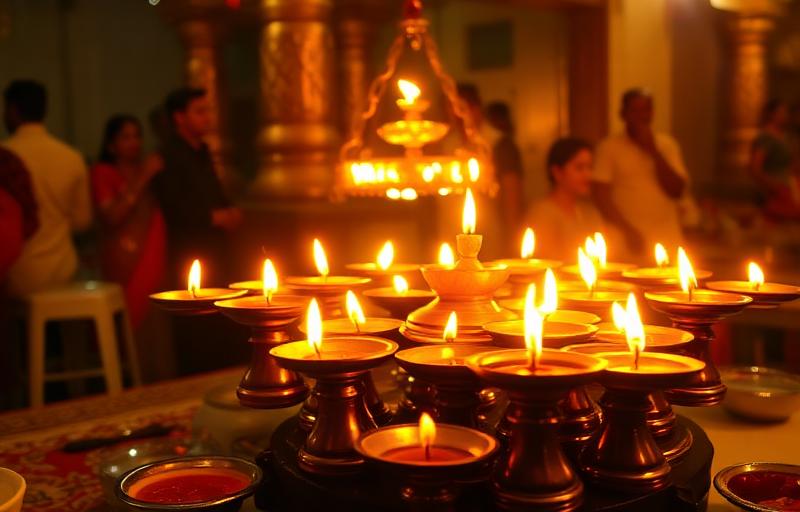
The Shukla Paksha of Ashwin is the most celebrated stretch of the Devi calendar: 1. Sharad Navratri (Pratipada to Navami) - ghatasthapana begins nine nights of worship of the Navadurga, with fasting, Durga Saptashati path and garba-dandiya in many regions. 2. Durga Ashtami and Maha Navami - the peak days, with Sandhi puja and Kanya Pujan, where young girls are honoured as the Devi herself. 3. Vijayadashami (Dussehra) - the day of victory; Ravana's effigy burns, Shami and Aparajita are worshipped, and new learning is begun. 4. Sharad Purnima - the full moon said to rain amrit; kheer is kept under moonlight and offered to the Lord. Soon after, in the Kartik Krishna Paksha of the North Indian calendar, comes Karwa Chauth. Confirm each tithi on the Vandnaa Panchang. Many homes also keep an akhand jyoti burning through the nine nights as a vow of unbroken remembrance of the Devi.
Daily Practices - Snan, Daan, Japa and Deity Focus
Ashwin's daily niyam shift with its two fortnights: 1. Snan - bathe before sunrise throughout; during Pitru Paksha offer tarpan after the bath, facing south with black til and water. 2. Daan - in the Krishna Paksha give food, til and clothing in the name of ancestors; in Navratri feed kanyas and the needy. 3. Japa - during Pitru Paksha chant Om Namo Bhagavate Vasudevaya for the pitrs' upliftment; from Navratri onwards chant Om Dum Durgayai Namah or recite the Durga Saptashati or Durga Chalisa daily. 4. Deity focus - the ancestors and Vishnu in the first half, Maa Durga and the Navadurga in the second. 5. Vrat - keep Indira Ekadashi, the Navratri fasts as health permits, and Papankusha Ekadashi after Dussehra. 6. Evening diya - keep an unbroken evening lamp through the month. Adjust every fast to your health and stage of life; the Devi asks for devotion, never for harm.
What to Avoid in Ashwin
Restraint differs across the month's two halves: 1. During Pitru Paksha, North Indian custom avoids new purchases, housewarmings, engagements and celebrations; the fortnight belongs to remembrance, not acquisition. 2. Do not perform shraddha carelessly or as mere formality - the shastras stress shraddha (faith) as the essential ingredient. 3. During Navratri, those keeping vrat avoid grains where tradition specifies, as well as onion, garlic, alcohol and non-vegetarian food; many also avoid cutting hair and nails. 4. Avoid disrespecting girls and women at any time, but especially in the month of Kanya Pujan - the Devi is worshipped in them. 5. Chaturmas continues, so marriages and grih pravesh remain paused. 6. On Sharad Purnima, avoid letting the night pass in sleep alone; tradition favours jagran, kirtan and moonlit kheer. The thread running through all of these is one: keep the first fortnight humble and the second fortnight pure.
Living Ashwin Devotionally
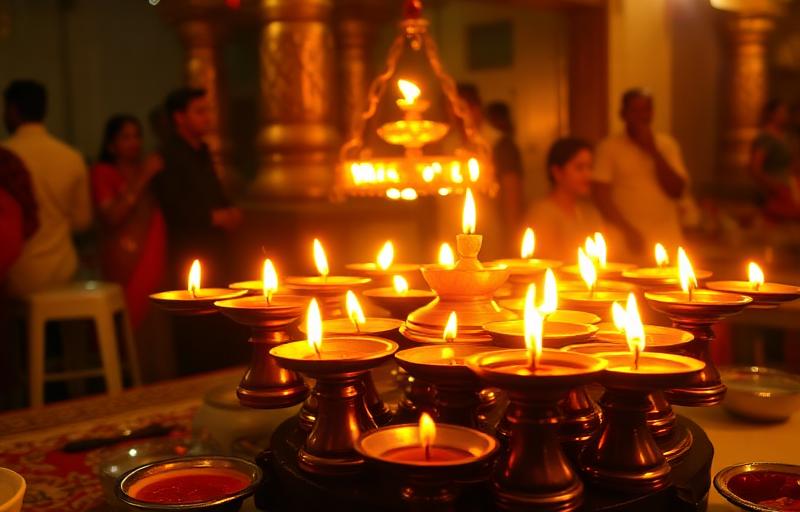
Ashwin is the year's lesson in sequence: first gratitude, then strength. Spend the Pitru Paksha fortnight in quiet remembrance - offer tarpan, feed someone in your ancestors' name, and tell their stories to your children. Then, when ghatasthapana arrives, turn fully to the Devi: a small kalash, a daily lamp, one chapter of the Durga Saptashati or the Durga Chalisa each night, and Kanya Pujan done with real reverence. Let Vijayadashami be personal - name one inner Ravana, one habit you will burn this year. Close the month under Sharad Purnima's moon with kheer and kirtan. The Vandnaa app carries the Durga aarti, Devi mantras and the Panchang, so every tithi of this powerful month finds you ready. And when the month ends, carry one Navratri habit forward - the daily lamp, the daily path, the daily mala - so that Ashwin's shakti does not end with its last tithi but walks with you into Kartik.
Frequently Asked Questions
When does Ashwin Maas 2026 fall?+
Ashwin is the seventh Hindu lunar month and in 2026 falls roughly across September and October. Its Krishna Paksha carries Pitru Paksha and its Shukla Paksha carries Sharad Navratri through Sharad Purnima. Since the month follows lunar tithis that shift each year, confirm the exact start, end and festival dates on the Vandnaa Panchang.
What should be done daily during Pitru Paksha?+
The simplest daily practice is tarpan after the morning bath: facing south, offer water mixed with black til while remembering three generations of ancestors by name. On the tithi matching an ancestor's departure, perform shraddha and feed brahmins or the needy. Keeping Indira Ekadashi and offering food on Sarva Pitru Amavasya complete the fortnight. Those living abroad or far from a river can offer tarpan at home with a vessel of clean water, facing south, with the same mantras and remembrance.
Why is Sharad Navratri celebrated in Ashwin?+
The Devi Mahatmya narrates Maa Durga's nine-night battle with Mahishasura, ending in victory on the tenth day - Vijayadashami. Tradition also holds that Lord Rama invoked the Devi in this season before defeating Ravana, calling it akal bodhan, the untimely awakening. Ashwin Shukla Pratipada to Navami thus became the year's principal Navratri, the Sharadiya Navratri.
What is special about Sharad Purnima kheer?+
Tradition holds that on Sharad Purnima the moon shines with all sixteen kalas and its rays carry amrit, the nectar of immortality. Devotees prepare rice kheer, keep it under the open moonlight for some hours, and offer it to the Lord before sharing it as prasad. The night is also kept as Kojagari jagran with Lakshmi worship in many regions.
Does Karwa Chauth fall in Ashwin?+
No. Karwa Chauth falls on the Chaturthi of the Krishna Paksha that follows Sharad Purnima, which the North Indian Purnimanta calendar counts as Kartik. So it arrives just days after Ashwin ends. Amanta calendars name that paksha as Ashwin, which causes the confusion. Either way, it follows soon after Sharad Purnima - check the Vandnaa Panchang.
Which mantra should I chant during Sharad Navratri?+
The simplest powerful japa is Om Dum Durgayai Namah, chanted 108 times daily on a mala. Those who can read longer texts may recite one chapter of the Durga Saptashati each night, or the Durga Chalisa with the evening aarti. The famous Saptashati verse Sarva Mangala Mangalye is also chanted for the Devi's all-auspicious blessing.
About the author
Pandit Mahesh Trivedi · Festival Traditions & Panchang
Pandit Mahesh leads the festival-date and Panchang content on Vandnaa. He cross-references multiple regional panchangs (Drik, Vaishnava, Bengali, Marathi) for every festival date published on the site.
Meet the Vandnaa editorial team →