Who Is Lord Ayyappa
Lord Ayyappa, also called Manikandan and Hariharaputra, is the divine son of Shiva (Hara) and Vishnu in the form of Mohini (Hari) - which is why he is called Hariharaputra. He is a celibate (Naishtika Brahmachari) warrior deity, usually shown seated in a yogic posture with a bell around his neck. Worshipped chiefly in South India, especially Kerala, he is the protector who removes obstacles and grants courage, discipline and union with the divine.
Sabarimala and Its Significance
The most famous shrine of Lord Ayyappa is Sabarimala, set deep in the forested Western Ghats of Kerala. It is one of the largest annual pilgrimages in the world, drawing millions of devotees during the Mandala-Makaravilakku season. Pilgrims climb the sacred eighteen steps (Pathinettam Padi) to reach the sanctum, each step said to represent a virtue or sense to be mastered. The shrine welcomes all who keep the vratham, regardless of caste or background, symbolising oneness before the divine.
The 41-Day Vratham
Before the Sabarimala pilgrimage, devotees keep a strict 41-day vratham (Mandala vratham). After wearing the sacred mala (rudraksha or tulsi beads), the devotee becomes a Swami, lives as a celibate, wears black or blue, walks barefoot, eats simple sattvik food, and avoids anger, alcohol and worldly indulgence. Daily prayers, temple visits and the chant 'Swamiye Saranam Ayyappa' fill the period. The discipline purifies the body and mind, preparing the devotee to climb the eighteen steps with a clean heart.
Ayyappa Aarti and Saranam Chant
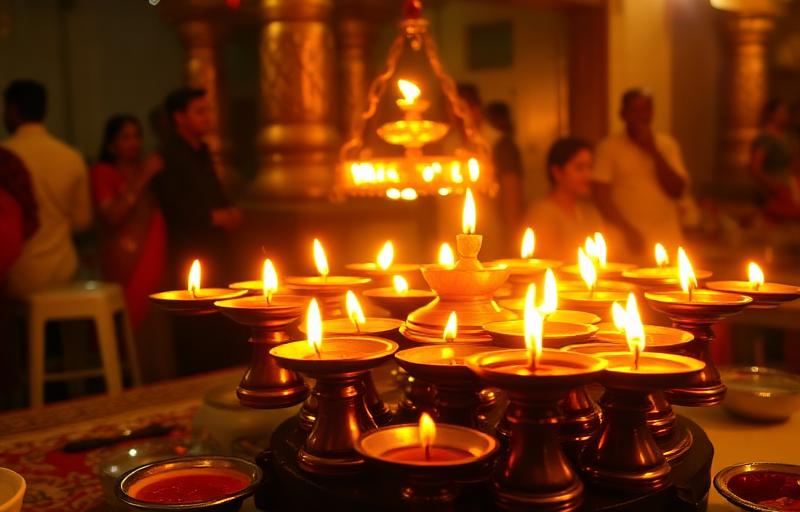
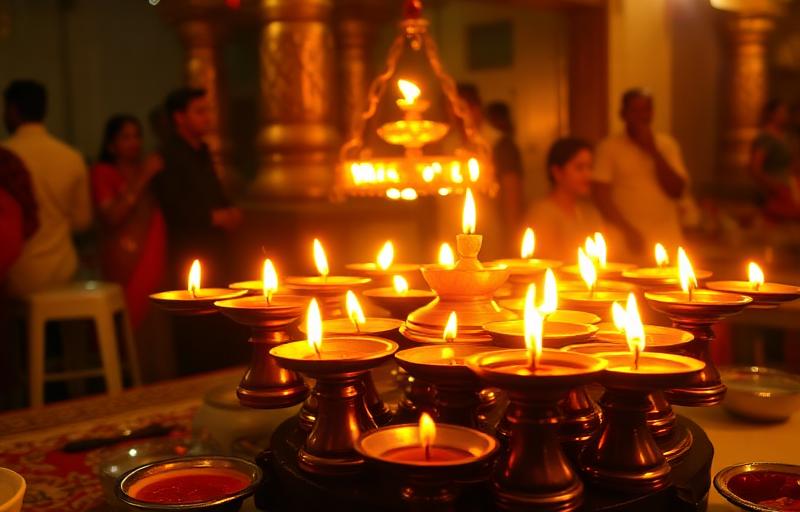
Light a lamp before Lord Ayyappa and sing with devotion:
Jai Dev Jai Dev Jai Ayyappa Swami. Harihar ke nandan, tum antaryami. Sabari-giri vaasi, sankat ke haari. Sharan padi jo aaye, kaaj sanvaare saari.
The deeply loved devotional cry is 'Swamiye Saranam Ayyappa' ('O Swami Ayyappa, I take refuge in you'), repeated again and again on the pilgrimage and at home worship. Circle the lamp clockwise and bow in surrender.
Ayyappa Mantra and Jaap
The core saranam mantra is:
Swamiye Saranam Ayyappa
and the formal invocation:
Om Hariharaputraya Namah
A powerful gayatri form is Om Bhutanathaya Vidmahe, Bhavaputraya Dheemahi, Tanno Shasta Prachodayat. Chant on a tulsi or rudraksha mala, especially during the vratham, with the surrendered spirit of the saranam - taking refuge in the Swami who guides the devotee through every difficulty.
Ayyappa Puja Vidhi
A simple home vidhi during the vratham: 1. Bathe early, wear black or blue clothes, and keep the sacred mala on. 2. Place Lord Ayyappa's image, light a ghee or coconut-oil lamp and incense. 3. Offer tulsi, flowers, and a bhog such as appam, banana, jaggery or coconut. 4. Chant 'Swamiye Saranam Ayyappa' and 'Om Hariharaputraya Namah' with the mala. 5. Read or listen to Ayyappa stotras and bhajans. 6. Perform the aarti morning and evening, and live the day with discipline and devotion. The Irumudi kettu (the sacred two-part bundle) is prepared only when setting out for Sabarimala.
Significance and Benefits
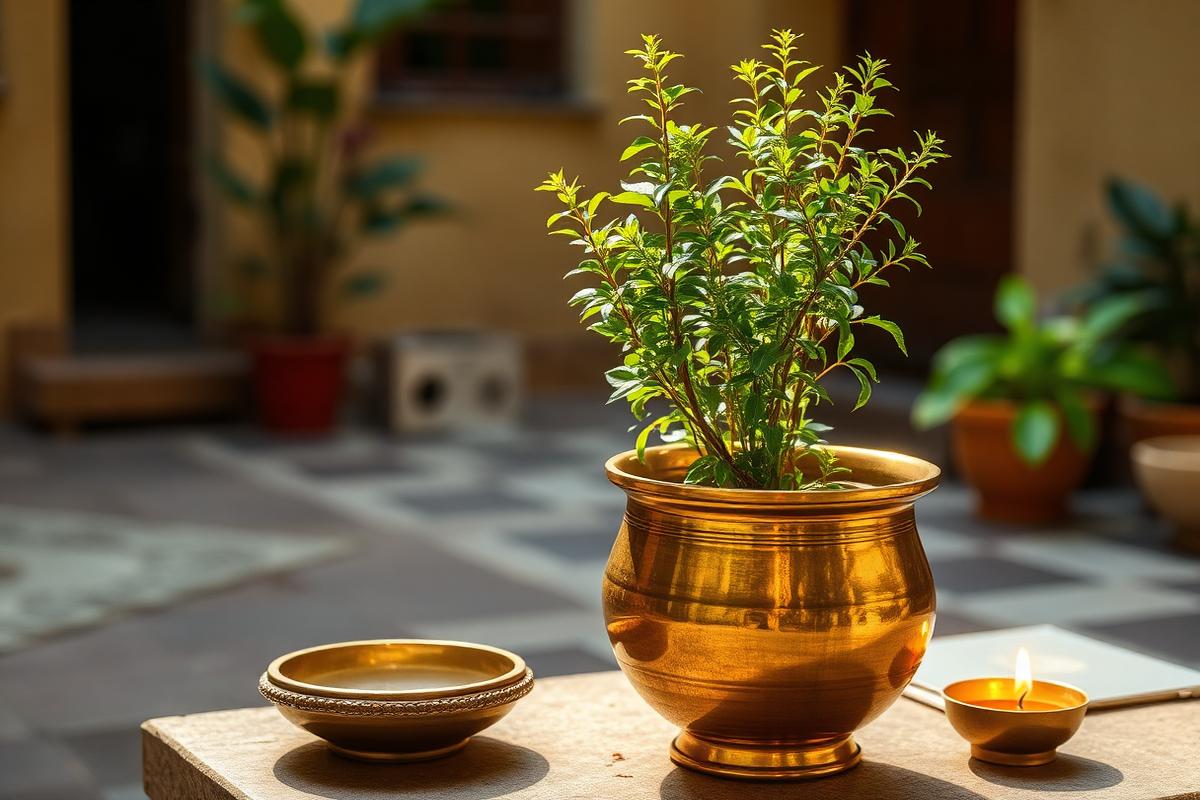
Worship of Lord Ayyappa, and the discipline of his vratham, is believed to grant inner strength, self-control, courage and freedom from fear and obstacles. As Hariharaputra, he unites the grace of Shiva and Vishnu, blessing devotees with health, success and spiritual progress. Above all, the 41-day discipline and the surrender of 'Swamiye Saranam Ayyappa' teach equality, simplicity and the peace that comes from giving the ego to the Swami.
Reader Questions Answered
Who is Lord Ayyappa?+
Lord Ayyappa, also called Manikandan and Hariharaputra, is the divine son of Shiva and Vishnu in the form of Mohini. He is a celibate warrior deity worshipped chiefly in South India, especially at Sabarimala.
What does 'Swamiye Saranam Ayyappa' mean?+
It means 'O Swami Ayyappa, I take refuge in you'. This saranam chant is the heart of Ayyappa devotion, repeated again and again during the vratham and the Sabarimala pilgrimage as an act of surrender.
What is the 41-day Ayyappa vratham?+
It is a strict 41-day discipline before the Sabarimala pilgrimage. After wearing the sacred mala, the devotee lives as a celibate, wears black or blue, eats sattvik food, walks barefoot and avoids anger and worldly indulgence.
What are the eighteen steps at Sabarimala?+
The Pathinettam Padi are the sacred eighteen steps leading to the sanctum at Sabarimala. Each step is said to represent a virtue or sense to be mastered, and only those who keep the vratham climb them.
What is the main Ayyappa mantra?+
The core mantra is 'Swamiye Saranam Ayyappa', along with the formal 'Om Hariharaputraya Namah', chanted on a tulsi or rudraksha mala, especially during the vratham.
What are the benefits of worshipping Ayyappa?+
Worship and the vratham are believed to grant inner strength, self-control, courage, and freedom from fear and obstacles. As Hariharaputra, Ayyappa blesses devotees with health, success and spiritual progress.
About the author
Acharya Vinaya Kapoor · M.A. Sanskrit, Mantra & Stotra Studies
Acharya Vinaya holds an M.A. in Sanskrit from Banaras Hindu University and writes the mantra and stotra commentary on Vandnaa. Her focus is on accurate pronunciation, traditional context, and helping modern readers connect with classical texts.
Meet the Vandnaa editorial team →Explore on Vandnaa
Related Articles

Dattatreya Aarti & Mantra - Significance & Puja Vidhi
9 min read
Vaishno Devi Aarti & Mantra - Significance, Yatra & Puja Vidhi
9 min read
Maa Vindhyavasini Aarti & Mantra - Significance & Puja
8 min read
Santoshi Mata Aarti & Chalisa - Friday Vrat Vidhi & Katha
9 min read
Shiv Aarti Lyrics – Om Jai Shiv Omkara (शिव आरती)
13 min read

Kartikeya (Murugan) Aarti, Chalisa & Mantra - Complete Puja Vidhi
9 min read