The City's Own Goddess
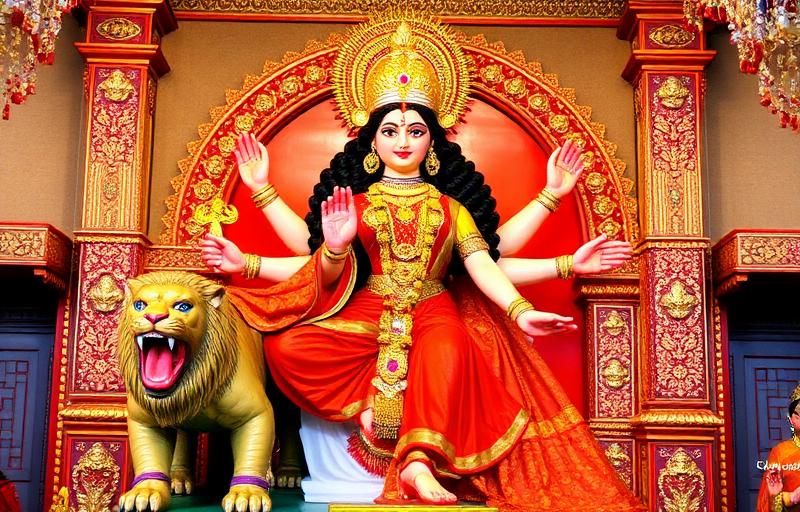
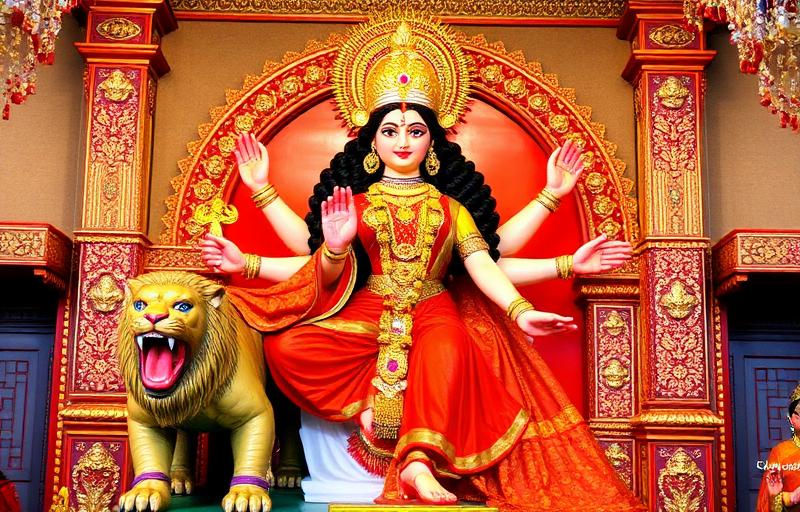
Bawe Wali Mata is the name Jammu uses for the Mahakali enshrined inside Bahu Fort, on a rise above the Tawi river across from the older parts of the city.
The name comes from the fort. Locals call the fort area Bawe, and the Devi who lives there is Bawe Wali Mata, the mother of Bawe. It is the kind of name a city gives a deity it considers its own rather than one it visits on pilgrimage.
The distinction matters in Jammu, because the region is defined for outsiders by Vaishno Devi, which is a yatra people travel to. Bawe Wali Mata is different in character:
- She is within the city, reachable in a short drive from anywhere in Jammu
- People visit routinely, on a Tuesday evening or after work, not as a planned pilgrimage
- Families bring newborn children, new vehicles, exam results and wedding cards to her
- She is the deity invoked in ordinary Dogri speech when something goes right or wrong
Jammu is called the city of temples for good reason, with Raghunath temple, Ranbireshwar and many others in the old city. Among them, Bawe Wali Mata holds the position of the presiding deity, the one the city itself belongs to.
The Fort and the Shrine Inside It
Bahu Fort is one of the oldest structures in the Jammu region, and local tradition attributes its founding to Raja Bahulochan, from whom the name comes. The fort as it stands today reflects later rebuilding under the Dogra rulers.
The layout gives the shrine an unusual setting:
- The temple sits inside the fort walls, approached through the gate and a courtyard rather than through a temple gopuram or shikhar
- The complex overlooks the Tawi river and gives a clear view across to Jammu city
- A large terraced garden surrounds the fort, which is why the visit is as much a family outing as a darshan for many residents
- The Devi's shrine itself is small, and the atmosphere inside is close and intense compared with the open space around it
This combination is worth noticing. Fort temples across north India were built for the ruling household first and the public later, and their character stays partly private. At Bawe, the fort has become entirely public, and the Devi inside it is the reason the fort is visited at all.
Devotees generally spend a short time at the shrine and longer in the surrounding courtyards and gardens, and the routine of an evening visit here is closer to a family walk than to a temple queue.
Bahu Mela: The City's Twice Yearly Gathering
The Bahu mela is held twice a year, during Chaitra Navratri in spring and Ashwin Navratri in autumn, and it is Jammu city's principal religious gathering.
What happens during the mela:
- Queues extend from the shrine out through the fort courtyard and down the approach road
- Families come from across the Jammu region, and many make it their annual visit
- Stalls, food, and evening crowds fill the garden terraces around the fort
- Devotees complete vows made during the year, offering cloth, sweets and cash, and having children's mundan performed
- Nine days of continuous worship follow the Navratri calendar, with the ashtami and navami days being the busiest
Outside the mela, Tuesday and Sunday are the days of the week when the shrine fills, in keeping with the general north Indian pattern for Devi and fierce deity worship.
One local practice visitors notice is the volume of first visits brought here. Newborn children, newly married couples, a family's first car, a student's admission letter and the first earnings of a new job are all brought to Bawe Wali Mata before anything else is done with them. That is the clearest sign of what the shrine is to Jammu. It is not where the city goes for special occasions. It is where the city begins them.
How She Is Worshipped

Worship follows the standard pattern for a Mahakali shrine in the north, adapted to a small sanctum with continuous footfall.
- Offerings are red chunri, sindoor, bangles, flowers, coconut and sweets
- Kadah prasad, the semolina halwa common across the Jammu and Punjab region, is a standard offering and is distributed to devotees
- Lamps are lit in the courtyard, and devotees light them for specific requests
- Navratri fasting is widely kept in Jammu households, with the visit to Bawe completing it
- Devotees performing a vow may complete it with bhandara or feeding at the shrine
The worship here does not involve long ritual sequences for ordinary devotees. Most people offer, take a moment before the Devi, receive prasad and move on, since the sanctum is small and the flow is constant.
One aspect worth mentioning for those interested in the region's traditions is language. Prayer at this shrine is often in Dogri, and the songs sung during Navratri here are regional rather than pan Indian. Visitors who understand only Hindi will follow most of it, but the local devotional vocabulary is distinct, and the bhajans sung on mela nights are a good introduction to Dogra devotional culture.
Jammu's Temple Circuit Around Her
Most visitors to Jammu pass through on the way to Katra, spending a night at most. The city rewards a full day if you give it one.
- Bawe Wali Mata, Bahu Fort - the presiding deity, best in the evening
- Raghunath Temple - the large Ram temple complex in the old city, built under the Dogra rulers, known for its many shrines within one enclosure
- Ranbireshwar Temple - a major Shiva temple in the city with a large linga and thousands of small lingas installed within
- Peer Kho and Panjbhaktar - older Shiva shrines associated with cave traditions along the Tawi
- Shiv Khori, Reasi - a long natural cave with a swayambhu linga, a couple of hours away, often combined with the Katra trip
- Machail Mata, Kishtwar - the high altitude Chandi shrine, a separate and much longer journey
A practical suggestion for those going to Vaishno Devi: reach Jammu a day early rather than a day late. Bawe Wali Mata in the evening, Raghunath and Ranbireshwar the next morning, and then the drive to Katra makes a far better trip than treating Jammu only as a railway station.
Visiting Bahu Fort
The shrine is easy to reach and suits visitors of all ages, which is not true of most Devi shrines in this region.
- Location - Bahu Fort, across the Tawi from the main city, a short drive from Jammu railway station and the city centre
- Timings - morning and evening worship hours, with the evening being the popular time for city residents. Check locally during Navratri, when hours are extended.
- Best days - Tuesday and Sunday for the shrine at its most active, and the Navratri melas for the full experience. Any weekday morning is calm.
- What to carry - chunri, sweets, coconut and flowers, all available from stalls near the entrance
- With family - the gardens and terraces around the fort make this an easy visit with children and elderly family members, unlike the treks to Vaishno Devi or Machail
- Etiquette - remove footwear, keep phones away in the sanctum, and follow the queue arrangement during mela days
One small note: because the fort is also a heritage site and a public garden, visitors sometimes treat the whole complex casually. The shrine inside is a working temple with continuous worship, and the courtyard immediately around it should be treated as temple space rather than as part of the park.
Quick Answers
Who is Bawe Wali Mata?+
Bawe Wali Mata is the Mahakali enshrined inside Bahu Fort in Jammu, and she is regarded as the presiding deity of the city. The name comes from Bawe, the local name for the fort area.
When is the Bahu mela held?+
Twice a year, during Chaitra Navratri in spring and Ashwin Navratri in autumn. These are Jammu city's principal religious gatherings, with ashtami and navami being the busiest days.
How is this shrine different from Vaishno Devi?+
Vaishno Devi is a yatra people travel to and climb for, while Bawe Wali Mata is inside Jammu city and visited routinely. Residents bring newborns, new vehicles, exam results and wedding cards here as part of everyday life.
Which days are best for darshan?+
Tuesday and Sunday are the main days of the week, and the Navratri melas are the fullest experience. For a quiet visit, any weekday morning works well.
What is offered at the temple?+
Red chunri, sindoor, bangles, flowers, coconut and sweets, along with kadah prasad which is common across the Jammu and Punjab region and distributed to devotees.
What else can be seen in Jammu on the same trip?+
Raghunath Temple and Ranbireshwar Temple in the old city, the Peer Kho and Panjbhaktar Shiva shrines along the Tawi, and Shiv Khori at Reasi a couple of hours away, usually combined with a Katra trip.
About the author
Pandit Ravindra Sharma · Vedic Rituals & Bhakti, 22+ years
Pandit Ravindra is the Vandnaa editorial team's resident specialist on aarti, chalisa, and daily devotion. He has performed home and temple pujas across Varanasi and Delhi for over two decades and contributes the bhakti-focused articles on this site.
Meet the Vandnaa editorial team →