Who Machail Mata Is
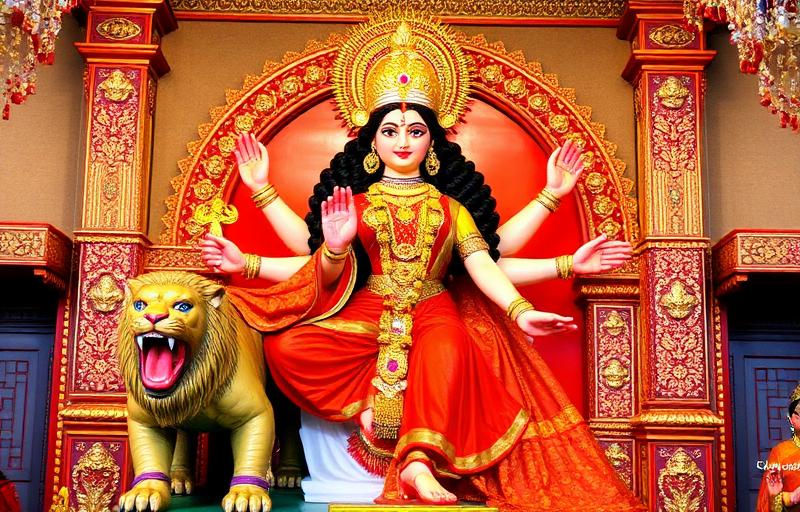
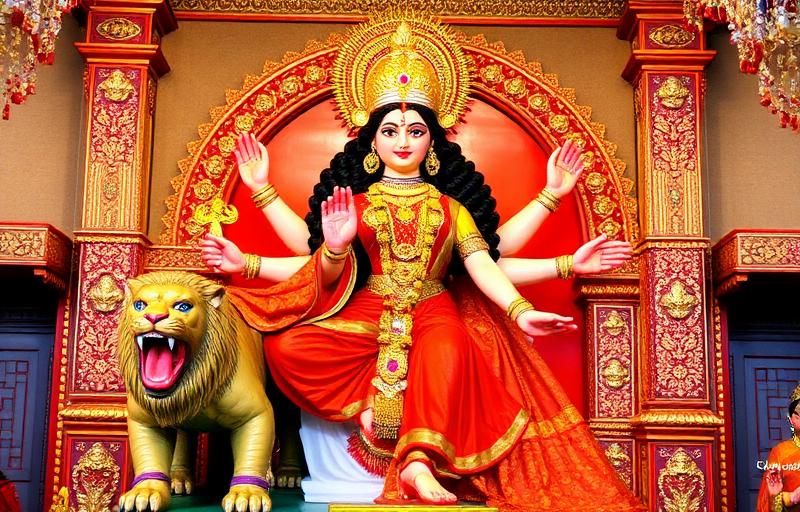
Machail Mata is worshipped as Chandi Mata, a fierce protective form of Durga, at a temple in the village of Machail in the Paddar valley of Kishtwar district, Jammu. The shrine stands at roughly nine and a half thousand feet, ringed by glaciers and reached only on foot or by helicopter.
For devotees in Jammu, Kathua, Udhampur, Doda and Kishtwar, and for a growing number from Punjab and Delhi, she is the Devi you go to when the request is serious. Her devotees describe her in the language used for Chandi across the Shakta tradition:
- A goddess of protection, invoked against fear, illness and hostile circumstances
- A goddess who answers difficulty with difficulty, which is why the yatra is walked rather than driven
- A local Devi with a wide reach, worshipped as the presiding deity of the Paddar valley while drawing devotees from across north India
Unlike shrines with long Puranic histories, Machail's fame in its present form is recent, spreading widely from the 1980s onwards. The devotion itself, and the worship of Chandi in this valley, is much older than its popularity.
The Chhari Yatra: How the Pilgrimage Works
The Machail yatra is organised around a chhari, a holy mace carried at the head of the pilgrimage, in the same way as several Himalayan yatras.
- The chhari traditionally sets out from Bhaderwah and travels through the region before entering the Paddar valley
- The walking route begins at Chishoti, near Gulabgarh, which is the last motorable point
- From Chishoti the trek to Machail is roughly thirty kilometres, usually completed over one long day or split across two
- Devotees walk in groups, singing bhajans and calling out to the Devi, with community langars set up along the route by volunteers
- Many pilgrims return the same way, while some use the helicopter service that operates during the yatra season
The yatra period runs mainly through Sawan and Bhadrapada, roughly late July to early September, when the high passes are open. Registration and route rules are set each year by the district administration, and the schedule can change with weather, so devotees are expected to check current advisories before travelling.
What Devotees Bring and What They Ask For
The offerings at Machail are simple, because everything has to be carried up on foot.
- Chunri, flowers and coconut, usually bought at Gulabgarh or Chishoti before the walk begins
- Ghee lamps and dhoop, lit at the shrine after darshan
- Sindoor and red bangles, offered as at other Devi shrines
- Langar seva, the most common vow, where families feed pilgrims along the route for a day or more
- Walking the route on foot as the offering itself, which many treat as the vow rather than as transport
The requests devotees speak of are consistent: recovery from a long illness, safety for family members in difficult postings, relief in a legal matter, a child, or the fulfilment of something long delayed. Chandi is approached as a Devi who acts, and the yatra is understood as proof of intent.
One local instruction is repeated to first time yatris: do not make a vow you cannot repeat. In this region, once a family begins the yatra as a vow, it is customarily continued each year or completed formally at the shrine.
Preparing for the Trek

This is a genuine high altitude walk, and preparation matters more here than at most shrines.
- Fitness - the route climbs steadily and the last stretch is at altitude. Devotees with heart conditions, uncontrolled diabetes or breathing difficulty are advised to consult a doctor and consider the helicopter option.
- Timing - start the walk before sunrise. Afternoon weather in the valley changes quickly and rain makes the trail slippery.
- Footwear and clothing - proper trekking shoes, a waterproof layer and warm clothes for the night, since temperatures drop sharply even in Bhadrapada
- Water and light food - langars are frequent, but carry water, glucose and dry fruit for the stretches between them
- Accommodation - basic tents, dharamshalas and community arrangements at Machail. Do not expect hotel facilities.
- Documents - carry the registration and identity documents required that year, and follow the administration's cut off timings for the trail
Most importantly, travel with a group. The route is well used during yatra season, but weather, landslides and altitude are real risks, and local guidance should always be followed over personal schedule.
Machail Mata Among Jammu's Devi Shrines
The Jammu region is often called the land of temples, and its devotion is overwhelmingly Shakta.
- Vaishno Devi, Katra - the largest Devi yatra in India, where the Devi is worshipped as three pindis in a cave
- Bawe Wali Mata, Bahu Fort - the presiding Devi of Jammu city, visited especially on Tuesdays and Sundays
- Sukrala Mata, Billawar and Chichi Mata, Kathua - regional Devi shrines with strong local followings
- Shiv Khori, Reasi - the long natural cave with a swayambhu Shivling, often combined with a Vaishno Devi trip
- Machail Mata, Kishtwar - the highest and hardest of them, drawing devotees who want the yatra to be difficult
Among these, Machail occupies a specific place. Vaishno Devi is the yatra almost every family in the region completes at least once. Machail is the one devotees take up when they want to offer effort rather than convenience, and it is usually spoken of in that way by those who have walked it.
Worshipping Chandi Mata Without the Yatra
Many devotees keep a connection with Machail Mata without being able to make the trek every year.
- Navratri path - the Durga Saptashati, which contains the Chandi charitra, is the traditional text for this form of the Devi. Families read the Kavach, Argala and Keelak before beginning, or keep to the simpler Devi stuti if the full path is not possible.
- Ashtami and Navami worship at home, with a red chunri, akhand jyot where the family can maintain it, and halwa puri prasad
- The Devi's name in daily prayer - devotees who have made the yatra usually keep her name in the morning prayer alongside the household deities
- Langar or bhandara - many families complete their vow by feeding people locally when they cannot travel
- Sending an offering - it is common for a family member or a group from the same town to carry another family's chunri and offering to the shrine
The tradition here is practical about distance. What it does not permit is treating a vow as complete when nothing has been done. If the yatra cannot be walked, the vow is expected to be fulfilled in another form of service.
Quick Answers
Who is Machail Mata?+
Machail Mata is worshipped as Chandi Mata, a fierce protective form of Durga, at a temple in Machail village in the Paddar valley of Kishtwar district, Jammu, at roughly nine and a half thousand feet.
When is the Machail Mata yatra held?+
The yatra runs mainly through Sawan and Bhadrapada, roughly from late July to early September, when the high routes are open. Exact dates and registration rules are announced each year by the district administration.
How long is the trek to Machail Mata?+
The walk from Chishoti near Gulabgarh, the last motorable point, is roughly thirty kilometres, done over one long day or split across two. A helicopter service also operates during the yatra season.
What is the chhari yatra at Machail?+
The chhari is a holy mace carried at the head of the pilgrimage. It traditionally sets out from Bhaderwah and travels through the region before entering the Paddar valley, with devotees walking behind it.
Is the Machail yatra suitable for elderly devotees?+
It is a demanding high altitude trek. Elderly devotees and those with heart, breathing or diabetes conditions should consult a doctor first and consider the helicopter service instead of walking the full route.
How can devotees keep the vow if they cannot travel?+
Common ways are reading the Durga Saptashati during Navratri, offering worship at home on Ashtami and Navami, organising a bhandara locally, or sending a chunri and offering with a family member or group travelling to the shrine.
About the author
Pandit Ravindra Sharma · Vedic Rituals & Bhakti, 22+ years
Pandit Ravindra is the Vandnaa editorial team's resident specialist on aarti, chalisa, and daily devotion. He has performed home and temple pujas across Varanasi and Delhi for over two decades and contributes the bhakti-focused articles on this site.
Meet the Vandnaa editorial team →