What Is Bhishma Ashtami
Bhishma Ashtami is the sacred day on which the grand patriarch of the Mahabharata, Bhishma Pitamah, chose to leave his mortal body after lying for fifty-eight days on a bed of arrows (sharashayya). Son of King Shantanu and Maa Ganga, Bhishma is honoured as a supreme example of vows, truth, sacrifice and devotion to duty. He waited on his arrow-bed for the auspicious uttarayan period before departing. On this day, devotees - especially those who have lost their fathers or who have no sons of their own - offer tarpan (water oblation) to Bhishma and their ancestors, praying for peace to the departed and blessings for the family.
Tithi and When It Falls in 2026
Bhishma Ashtami falls on the Ashtami (eighth day) of Magha Shukla Paksha, in the bright half of the Magha month. By the Gregorian calendar this usually arrives in late January or February; for the lunar year 2026, the corresponding observance commonly lands in early 2027 by the Gregorian date. Because lunar tithis shift each year and the Ashtami may begin on a different solar day in your region, please confirm the exact date and tarpan muhurat for your city on the Vandnaa Panchang. The tarpan is performed during the midday (madhyahna) period, so checking the local timing matters.
Significance of Bhishma Ashtami
The day honours Bhishma's unmatched *virtue, his lifelong celibacy (brahmacharya), and his selfless service to the throne of Hastinapur. Because Bhishma had no children of his own, the tradition arose that anyone may offer tarpan to him, and that doing so brings the merit of honouring one's own ancestors. It is believed that offering Bhishma tarpan grants the blessing of virtuous, capable children and removes the dosha of dying without a son to perform one's last rites. Spiritually, the day reminds devotees to live by truth and dharma* as Bhishma did, and to remember the departed with gratitude and prayer.
Bhishma's Story and the Boon of Icchha-Mrityu
Born Devavrata to King Shantanu and Ganga, he took a terrible vow of lifelong celibacy and renunciation of the throne so his father could marry Satyavati. For this fearsome (bhishma) oath he earned the name Bhishma and the boon of icchha-mrityu - death only at a time of his own choosing. In the Mahabharata war, fighting on the Kaurava side out of duty to the throne, Bhishma fell on the tenth day, pierced by Arjuna's arrows. Lying on the sharashayya, he chose not to die until the sun turned north (uttarayan). He spent those days imparting the Vishnu Sahasranama and teachings on dharma before leaving his body on Magha Shukla Ashtami.
Bhishma Tarpan Vidhi
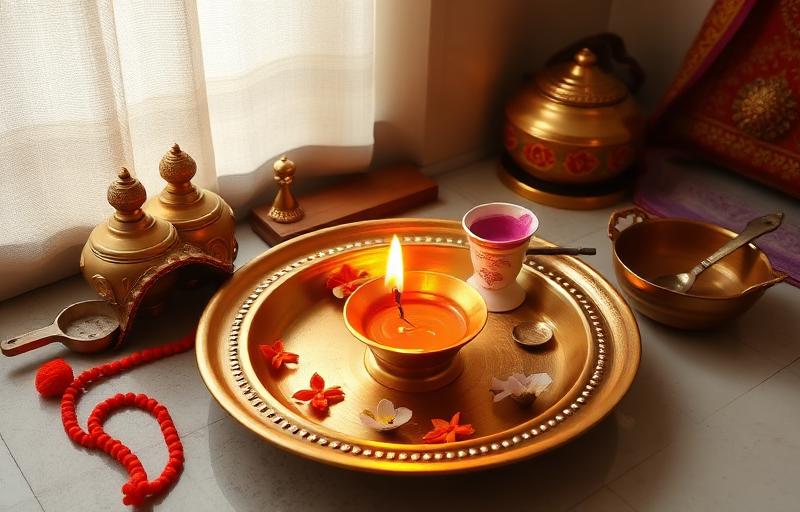
The tarpan is offered with devotion, ideally near a river or with clean water at home: 1. Bathe early and wear clean clothes; sit facing south, the direction of the ancestors. 2. Take water mixed with *black sesame (til), kusha grass, raw rice and flowers in your cupped palms. 3. Recite the Bhishma tarpan sankalp and offer the water, letting it flow from the pitru tirtha (between thumb and index finger). 4. Offer the prescribed oblations to Bhishma by name, and then to your own ancestors. 5. Pray for peace to the departed and blessings for the family, and conclude with a diya and a simple prayer. Those able to recite the Vishnu Sahasranama* on this day are considered especially blessed.
Mantras and Benefits
The traditional tarpan verses honour Bhishma directly: 1. "Vaiyaghrapadya gotraya samkrutih pravaraya cha, aputraya dadamyetat salilam Bhishma varmane" - the classic Bhishma tarpan mantra, offering water to the sonless Bhishma. 2. "Vasunam avataraya shantanoratmajaya cha, arghyam dadami Bhishmaya ajanma brahmacharine" - honouring Bhishma the Vasu and lifelong brahmachari. Along with these, reciting the Vishnu Sahasranama - which Bhishma himself taught - is highly auspicious. Devotees believe sincere tarpan brings the blessing of good children, peace to the ancestors, freedom from pitru dosha, and the merit of honouring a great soul. The day ultimately inspires the values Bhishma lived by: unwavering truth, selfless duty and steadfast devotion.
Who Should Observe Bhishma Tarpan
Because Bhishma left no descendants, the shastras allow anyone to offer him tarpan, regardless of gotra or lineage. It is especially recommended for those who have lost their father, those who have no sons to perform their own future rites, and devotees seeking the blessing of virtuous children. Even those whose parents are living may offer the Bhishma oblation as a mark of respect to this great soul, while reserving ancestor (pitru) tarpan for the appropriate occasions. The act is simple, humble and open to all, reflecting Bhishma's own life of giving without expecting anything in return for himself.
Common Questions From Devotees
What is Bhishma Ashtami?+
Bhishma Ashtami, on Magha Shukla Ashtami, marks the day Bhishma Pitamah left his body. Devotees offer tarpan to him and their ancestors for peace and blessings.
When is Bhishma Ashtami in 2026?+
It falls on Magha Shukla Ashtami, usually in late January or February; the 2026 lunar-year observance commonly lands in early 2027. Confirm the date on the Vandnaa Panchang.
What is the boon of icchha-mrityu?+
Bhishma received the boon of icchha-mrityu, meaning he could die only at a time of his own choosing. He waited on his arrow-bed for uttarayan before leaving his body.
How is Bhishma tarpan performed?+
Bathe early, sit facing south, take water with black sesame, kusha, rice and flowers, recite the sankalp and Bhishma tarpan mantras, and offer the water to Bhishma and your ancestors.
Who can offer tarpan to Bhishma?+
Because Bhishma had no children, anyone may offer him tarpan regardless of gotra. It is especially advised for those without a father or without sons.
What are the benefits of Bhishma Ashtami tarpan?+
It is believed to grant the blessing of virtuous children, peace to ancestors, freedom from pitru dosha, and the merit of honouring a great soul like Bhishma.
About the author
Pandit Mahesh Trivedi · Festival Traditions & Panchang
Pandit Mahesh leads the festival-date and Panchang content on Vandnaa. He cross-references multiple regional panchangs (Drik, Vaishnava, Bengali, Marathi) for every festival date published on the site.
Meet the Vandnaa editorial team →