
What is Chaitra Navratri
Chaitra Navratri is the spring Navratri - 9 days of Devi worship at the start of Chaitra month (March-April). It marks the Hindu New Year and culminates in Ram Navami (birthday of Lord Ram, the 9th day).
Two Navratris in Hindu year:
- Chaitra Navratri (March-April) - spring; Hindu new year
- Sharad Navratri (September-October) - autumn; popular with Durga Puja
Most popular media coverage is of Sharad Navratri, but Chaitra is equally significant spiritually. It marks the cosmic beginning of the year - when nature renews, days lengthen, and Devi blesses new beginnings.
Why it matters:
- Hindu New Year (Vikram Samvat begins)
- Ram Navami at completion (cosmic king's birthday)
- Spring's natural renewal energy
- 9 days of focused Devi worship
- Best time for new beginnings - businesses, marriages, projects
2027 dates:
- Chaitra Navratri begins: March 18, 2027 (Thursday)
- Day 1 - Pratipada: Ghatasthapana (kalash installation)
- Day 9 - Ram Navami: March 26, 2027
- Hindu New Year (Gudi Padwa, Ugadi): March 18
Cultural significance:
- Maharashtra: Gudi Padwa
- Karnataka/Andhra: Ugadi
- Sindh: Cheti Chand
- Kashmir: Navreh
All celebrate the same day - start of Chaitra Navratri = Hindu New Year.
📿 The Vandnaa App's Festivals module has Chaitra Navratri 2027 daily reminders, day-wise Devi forms, and Ram Navami special tracker.
9-Day Devi Form, Color & Food Guide
Each of the 9 days is dedicated to a specific Devi form (Navadurga). Each has distinctive colors, foods, and mantras.
Day 1 (March 18, 2027) - SHAILPUTRI (Mountain Daughter):
- Color: Yellow
- Food: White foods (milk, kheer)
- Mantra: 'Om Devi Shailputryai Namah'
- Significance: Pratipada day. Ghatasthapana ceremony.
- Activity: Plant barley seeds in earthen pot (Jawa boya - symbol of growth)
Day 2 (March 19) - BRAHMACHARINI (Devotee):
- Color: Green
- Food: Sugar, sugarcane
- Mantra: 'Om Devi Brahmacharinyai Namah'
Day 3 (March 20) - CHANDRAGHANTA (Half-moon):
- Color: Grey
- Food: Milk, kheer
- Mantra: 'Om Devi Chandraghanta-yai Namah'
Day 4 (March 21) - KUSHMANDA (Cosmic Egg):
- Color: Orange
- Food: Malpua (sweet pancake)
- Mantra: 'Om Devi Kushmandayai Namah'
Day 5 (March 22) - SKANDAMATA (Mother of Skanda/Kartikeya):
- Color: White
- Food: Banana
- Mantra: 'Om Devi Skandamatayai Namah'
Day 6 (March 23) - KATYAYANI (Born of Sage Katyayan):
- Color: Red
- Food: Honey
- Mantra: 'Om Devi Katyayanyai Namah'
Day 7 (March 24) - KALARATRI (Black Night):
- Color: Royal Blue
- Food: Jaggery
- Mantra: 'Om Devi Kalaratrayi Namah'
- Note: Most fierce form - protective
Day 8 (March 25) - MAHAGAURI (Great White):
- Color: Pink
- Food: Coconut
- Mantra: 'Om Devi Mahagauryai Namah'
- Activity: Kanya Pujan (worship of 9 young girls representing Devi)
Day 9 (March 26) - SIDDHIDATRI (Granter of Siddhis) + RAM NAVAMI:
- Color: Purple
- Food: Sesame, puffed rice
- Mantra: 'Om Devi Siddhidatryai Namah'
- Activity: Ram Navami celebration. Read Bal Kand from Ramayan. Distribute prasad.
Cultural variations:
- North India: Strict 9-day vrat
- South India: Golu (doll display) tradition
- Bengal: Less elaborate than Sharad Navratri
- Maharashtra: Gudi raised on day 1, taken down day 9
The kanya pujan tradition (Day 8): Invite 9 young girls (5-12 years) representing the 9 Devi forms. Wash their feet, give them new clothes, feed them sumptuous meal (puri, halwa, channa), give them small gifts. This is among the most powerful Navratri practices.
Day 1: Ghatasthapana Vidhi
Ghatasthapana = installing the kalash (sacred pot) on Day 1. This invokes Devi's presence for 9 days.
2027 muhurat (March 18):
- Most auspicious time: 6:14 AM - 10:14 AM (Brahma muhurat to mid-morning)
- Avoid: Rahu kaal (1:30-3:00 PM)
- If unable in morning, evening sandhya 5-6:30 PM acceptable
Items needed:
- Brass or copper kalash
- Mango leaves (5-7)
- Coconut (with husk)
- Earthen pot (small) + soil + barley seeds
- Red cloth
- Akshat
- Red sindoor
- Yellow flowers
- Ghee diya (large - should burn 9 days continuously)
- Mauli thread
- Camphor
- Bhog: kheer, fruits
- Devi photo
Step-by-step (45 min):
1. Clean puja area thoroughly. Apply gobar (cow dung) paste or rangoli on floor.
2. Set up earthen pot:
- Fill pot with sand/soil
- Sprinkle barley seeds
- Water lightly
- These will sprout over 9 days - symbolizing Devi's growth blessing
3. Install Kalash:
- Place red cloth on chowki
- Place kalash on cloth
- Fill kalash with Ganga jal (or pure water + few drops Ganga)
- Add coin, akshat, sandalwood, all-types-of-leaves
- Place mango leaves around the rim
- Place coconut on top of mango leaves
- Tie mauli around kalash neck
- Apply red sindoor tilak to coconut
4. Devi installation:
- Place Devi photo behind kalash
- Apply tilak to Devi
- Offer red flowers
5. Sankalpa: State: 'I, [name], on this Pratipada day of Chaitra Navratri 2027, install Mata as my kuldevi for 9 days. May Devi grace flow into our home. May all dwellers be blessed.'
6. Light akhand jyot (eternal flame): The most important step. Light a large ghee diya (or oil diya). It must burn continuously for 9 days. Don't let it go out - that's considered inauspicious.
7. 9-day mantra invocation: Recite 'Om Aim Hreem Kleem Chamundayai Vichche' 108 times.
8. Offer bhog
9. Aarti with camphor
10. Distribute prasad
The 9-day akhand jyot:
- Use large diya with thick wicks
- Replenish ghee/oil 2-3 times daily
- Don't let it extinguish
- Family takes turns watching it
- If accidentally extinguishes, re-light with apology mantra and continue
Daily routine for 9 days:
- Morning: brief puja with day-specific Devi mantra
- Read Durga Saptashati (or selected chapters)
- Eat day-specific food
- Wear day-specific color
- Evening: aarti
- Day 8: kanya pujan
- Day 9: Ram Navami special celebration
Navratri Vrat Rules
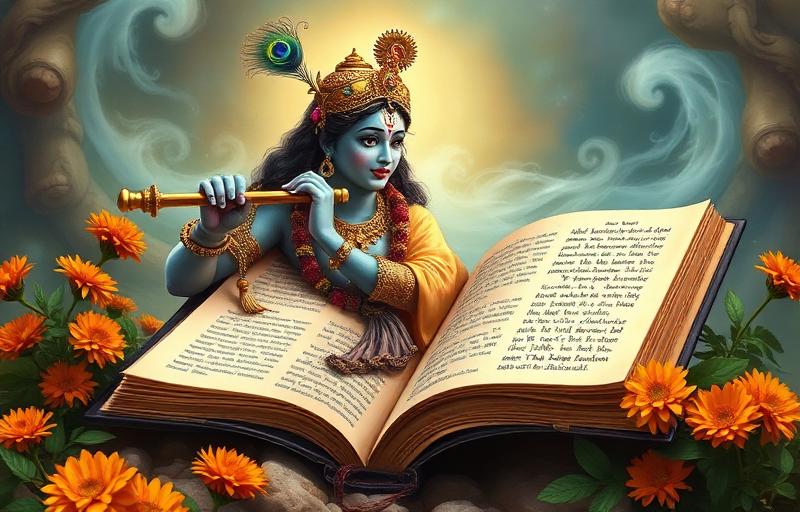
Three vrat levels:
Level 1 - Phalahari Vrat (most common):
- Fruits, milk during day
- Vrat-specific foods (sabudana, kuttu, rajgira, makhana)
- Single sattvic meal in evening
- No regular grains
Level 2 - Two-Time Eating:
- Light breakfast (fruits)
- Lunch (vrat-friendly khichri)
- No dinner - only milk + fruit
Level 3 - Strict Single Meal:
- Only milk/fruits during day
- Single late afternoon meal
- Kanya pujan special meal Day 8
Foods ALLOWED:
- Milk and dairy
- Fruits
- Sabudana, kuttu, singhara, rajgira flours
- Potato, sweet potato (with sendha namak)
- Coconut
- Nuts, dry fruits
- Sendha namak only (NO regular salt)
- Sugar, jaggery, honey
- Ginger, green chili (in moderation)
Foods FORBIDDEN:
- Regular salt
- Onion, garlic (mandatory)
- Non-vegetarian
- Alcohol, tobacco
- Wheat, rice, dal (regular)
- Coffee, tea (some traditions allow)
- Eggs
- Restaurant food (unless verified vrat)
Critical 9-day rules:
1. Bath before puja each day 2. Wear day-specific color (or at least red/yellow daily) 3. No haircut/shaving for 9 days (strict tradition) 4. No meat eating in family even for those not doing vrat 5. No major family arguments 6. No travel (if avoidable) 7. Maintain akhand jyot 8. Read Devi text daily (Durga Saptashati or Devi Mahatmyam) 9. Donate generously on Day 8 and 9 10. Visit Devi temple at least once during 9 days
Modern flexibility:
- Diabetics, pregnant women, elderly: lighter vrat
- Working professionals: can do half-day office, half-day vrat
- Children: encourage participation but no strict vrat under 12
- Health conditions: consult doctor; modify accordingly
Why vrat works: The 9-day fast cleanses the body. Combined with intense Devi worship, it creates a major spiritual reset. Many devotees report:
- Improved digestion
- Mental clarity
- Reduced anxiety
- Spiritual experiences
- Major life problems resolving
Breaking vrat (parana) on Day 10: Morning of March 27, 2027:
- Bath, fresh clothes
- Final aarti with akhand jyot
- Distribute jawa (sprouted barley) prasad
- Eat first 'normal' meal - preferably khichri or simple sattvic food
- Resume regular eating gradually
Common Mistakes & Conclusion
Common mistakes:
1. Letting akhand jyot extinguish. Considered inauspicious. Take turns watching.
2. Eating regular salt accidentally. Many vrat-foods at restaurants use regular salt. Cook at home.
3. Skipping color-coordination. Each day's color matters. Gives day-specific Devi vibration.
4. Not doing kanya pujan Day 8. Among the most powerful Navratri practices. Don't skip.
5. Ignoring Day 9 Ram Navami. Many treat last day casually. It's the most powerful day.
6. Eating non-veg in family. Even non-vrat family members should abstain.
7. Cutting hair/shaving during 9 days. Strict rule.
8. Major arguments during vrat. Disturbs Devi's peace.
9. Not reading Devi text. Durga Saptashati or simpler Devi Chalisa daily.
10. Breaking vrat too early. Wait till Day 10 morning.
Three commitment levels:
Level 1 - Day 1 + Day 8 + Day 9 only:
- Ghatasthapana, kanya pujan, Ram Navami
- Suitable for beginners
Level 2 - Full 9-day phalahari vrat:
- Daily morning puja
- Light vrat
- Akhand jyot maintained
Level 3 - Strict 9-day full vrat + Saptashati:
- Daily Durga Saptashati recitation
- Strict food rules
- Multi-temple visit during 9 days
- Complete kanya pujan
- Reserved for serious Devi devotees
A final reflection:
Chaitra Navratri is the spring spiritual reset. As nature renews itself with new buds, you renew your spirit through 9 days of Devi worship. The Hindu New Year begins not with parties but with sustained sadhana.
For 2027, mark March 18-26. Plan ahead. Buy supplies. Inform family. Take time off if possible.
Nine days of focused worship can shift your entire year's trajectory.
Jai Mata Di. Jai Shri Ram.
📿 The Vandnaa App's Chaitra Navratri 2027 module: 9-day reminders, color/food guide per day, Devi mantra audio, kanya pujan checklist, Ram Navami special tracker.
What People Ask Most
What's the difference between Chaitra and Sharad Navratri?+
Both are 9-day Devi worship. Chaitra = spring (March-April), marks Hindu new year, ends in Ram Navami. Sharad = autumn (September-October), more popular publicly, ends in Vijayadashami. Both equally significant.
Can I work during Chaitra Navratri?+
Yes. Many people maintain office work + light vrat. Maintain akhand jyot at home (family member watches). Do brief morning puja before office.
Can children participate?+
Yes - perfect for involving them in tradition. Below 12: no strict vrat. Have them help with daily aarti, akhand jyot watching, kanya pujan. Day 9 Ram Navami especially child-friendly.
What is akhand jyot?+
The 9-day continuous-burning ghee/oil diya. Lit on Day 1 ghatasthapana. Should not extinguish. Replenish ghee/oil 2-3 times daily. Considered Devi's symbolic presence.
Can I do partial vrat (only some days)?+
Tradition recommends all 9 days, but partial is acceptable: Day 1 (Pratipada), Day 8 (Ashtami), Day 9 (Navami) is the minimum 'major days' tradition.
What's Hindu New Year 2027?+
March 18, 2027 - Day 1 of Chaitra Navratri. Begins Vikram Samvat 2084. Celebrated as Gudi Padwa (Maharashtra), Ugadi (Karnataka/Andhra), Cheti Chand (Sindh), Navreh (Kashmir).
About the author
Pandit Mahesh Trivedi · Festival Traditions & Panchang
Pandit Mahesh leads the festival-date and Panchang content on Vandnaa. He cross-references multiple regional panchangs (Drik, Vaishnava, Bengali, Marathi) for every festival date published on the site.
Meet the Vandnaa editorial team →Explore on Vandnaa
Related Articles
Sharad Navratri 2026: 9 Days Colors, Puja Vidhi, Vrat Rules & Kanya Pujan Guide
10 min read
Navadurga: The 9 Forms of Maa Durga, Their Mantras, Significance & Which to Worship Each Day
13 min read
Ram Navami 2027: Date, Puja Vidhi, Lord Ram's Birth Story & 7 Powerful Ram Mantras
11 min read
Durga Chalisa Lyrics in Hindi & English with Meaning
9 min read
Durga Saptashati – Meaning, Benefits & Reading Guide
9 min read

Ram Chalisa Lyrics in Hindi & English with Meaning
9 min read