What Is Cheti Chand?
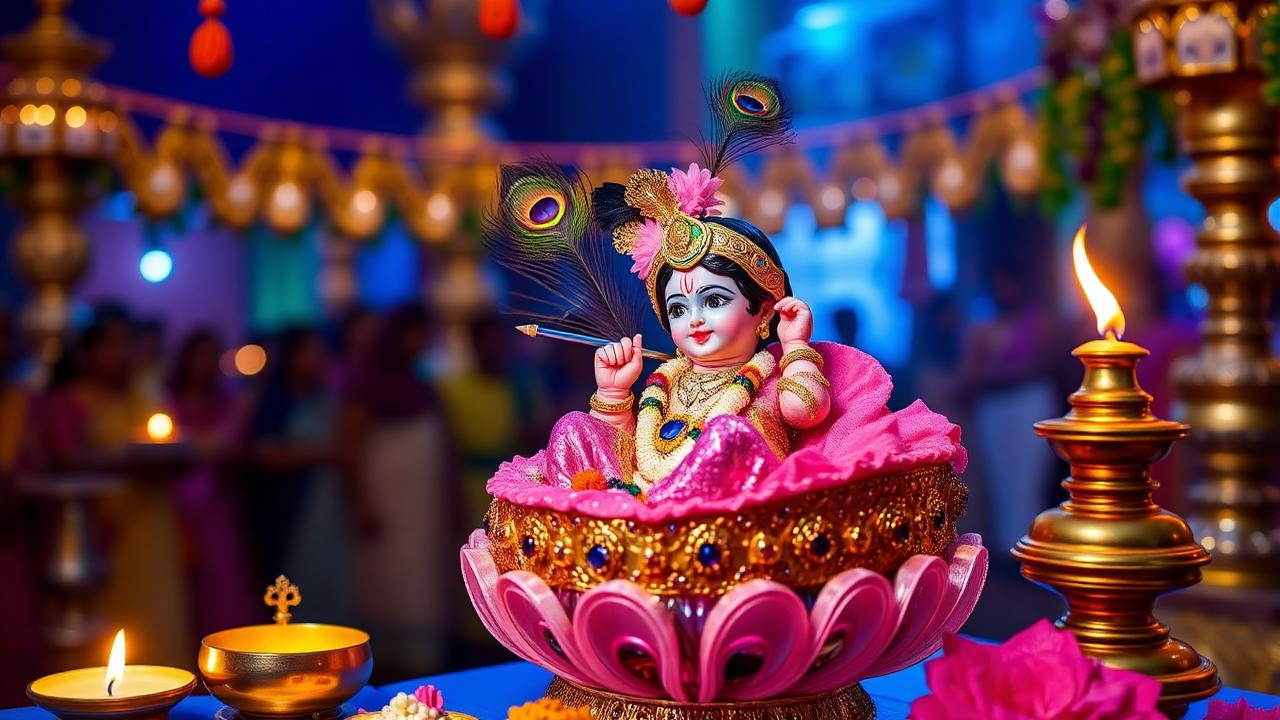
Cheti Chand is the new year of the Sindhi Hindu community and the birth anniversary (jayanti) of their beloved patron deity, Jhulelal. The name itself describes the day: Chet is the Sindhi name for the Chaitra month, and Chand means moon - so Cheti Chand is the festival of the new moon of Chaitra, celebrated when the crescent first becomes visible at the start of the bright fortnight. For Sindhis scattered across India and the world after Partition, Cheti Chand is far more than a calendar date. It is the day the community gathers to remember who they are - their river-deity, their language, their ajrak and their resilience. Streets in Ulhasnagar, Ahmedabad, Jaipur, Indore and Sindhi colonies everywhere come alive with processions, bhagats (devotional performances) and the joyous cry of "Jhulelal Bera Hee Paar" - Jhulelal carries our boat across.
Cheti Chand 2027 - Tithi and Date
Cheti Chand is observed on Chaitra Shukla Dwitiya, the second day of the bright fortnight of Chaitra - the day after Gudi Padwa and Ugadi, which mark the lunar new year in Maharashtra and the Deccan. In 2027, this tithi falls in the March-April period. Because the date follows the lunar calendar and tithi timings vary, confirm the exact day on the Vandnaa Panchang before planning the baharana or community gatherings. The closeness to Gudi Padwa is no coincidence: Cheti Chand belongs to the same family of Chaitra new-year festivals that begin the Hindu year across regions, each community greeting the same spring moon in its own language. For Sindhis, the second day of Chaitra carries the added sweetness of being their Lord's birthday - the new year and the deity's jayanti arriving hand in hand.
The Story of Jhulelal - Uderolal, the Form of Varuna Dev
Centuries ago in Sindh, tradition tells of a tyrannical ruler, Mirkhshah, who ordered the Hindus of the land to abandon their dharma. In despair, the community gathered on the banks of the Sindhu (Indus) river and prayed for forty days to Varuna Dev, the lord of the waters. A divine voice assured them a saviour would be born. Soon after, in the town of Nasarpur, a child was born to Mata Devki and Ratanchand Lohano - named Uderolal. Miracles surrounded him: his cradle (jhula) swayed on its own, giving him the loving name Jhulelal. He appeared before the tyrant as a child, a warrior on horseback rising from the river, and an old sage - revealing that the same divine power flows in all. Mirkhshah's heart was transformed, the persecution ended, and Hindus and Muslims of Sindh alike came to revere the saint of the river, whom devotees worship as the very form of Varuna Dev.
Bahirana Sahib - The Sacred Offering

At the heart of Cheti Chand worship is the Bahirana Sahib (also spelt Behrana), a beautiful symbolic offering prepared for Jhulelal. On a decorated plate or wooden stand, devotees arrange a jyot (oil lamp) surrounded by akho (a mixture of rice, sugar or misri, cardamom and sometimes wheat flour), fruits, and a kalash of water topped with a coconut, draped in red cloth and flowers - the kalash representing the sacred Sindhu itself. In the evening, families and panchayats carry the Bahirana Sahib in procession to a river, lake or seashore, singing lada (traditional Sindhi devotional songs) and performing the chhej folk dance. There, with the aarti of Jhulelal, the offering is reverently committed to the waters, returning to Varuna Dev what is his. The glowing jyot floating on the evening water is one of the most moving sights of the Sindhi devotional year.
The Chaliho Connection - Forty Days of Prayer
Cheti Chand cannot be fully understood without Chaliho Sahib, the forty-day vrat that commemorates the original forty days when the Hindus of Sindh stood on the banks of the Sindhu, fasting and praying to Varuna Dev for deliverance from Mirkhshah. Observed by devout Sindhis in the Shravan-Bhadrapada period (around July-August), Chaliho is a time of austerity: many devotees avoid new clothes, luxuries, and even shaving, eat simple sattvik food, visit the Jhulelal mandir daily, and keep a jyot burning. The vrat concludes with Thanksgiving celebrations when the forty days end, echoing the joy of the original answered prayer. Chaliho and Cheti Chand are two halves of one story - Chaliho remembers the desperate prayer, Cheti Chand celebrates the divine answer. Together they teach the rhythm of all bhakti: sincere, patient prayer followed by gratitude when grace arrives.
How Sindhi Hindus Celebrate Cheti Chand
Cheti Chand celebrations blend devotion, culture and community: 1. Morning: homes are cleaned and decorated; devotees bathe early, wear new clothes and visit the Jhulelal mandir or tikana for darshan and aarti 2. Akho and prasad: the sweet rice-misri akho is offered to the Lord and distributed, along with tairi (sweet rice) and sherbet 3. Baharana procession: in the evening, the Bahirana Sahib is taken to the water with lada songs, chhej dance, dhol and decorated jhankis of Jhulelal on his palla fish 4. Community gatherings: Sindhi panchayats organise melas, langar, cultural programmes celebrating Sindhi language and heritage, and honour community elders 5. New year resolutions: businessmen open new account books, and families seek Jhulelal's blessings for the year ahead The greeting exchanged all day captures the spirit: Cheti Chand jyon Lakh Lakh Wadhayun - lakhs of congratulations on Cheti Chand!
The Message of Hope and Faith
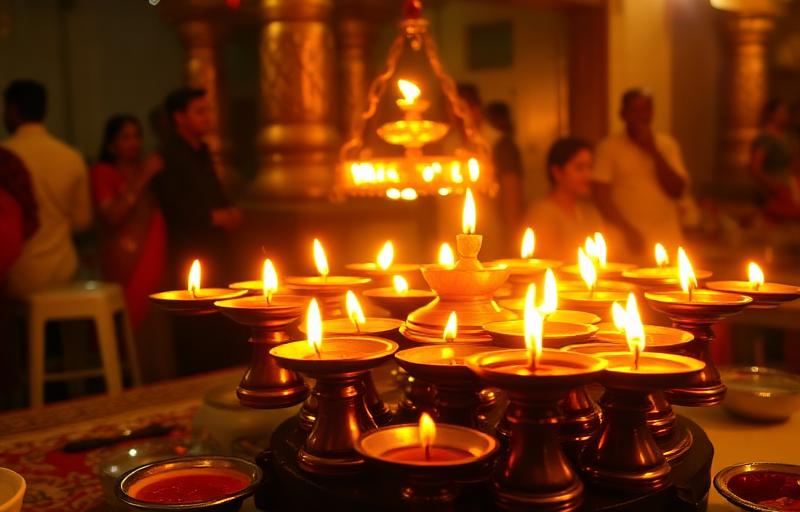
Cheti Chand carries a message that reaches far beyond one community. The story of Jhulelal is the story of a people who, facing the destruction of their dharma, chose prayer over despair - and were answered. After Partition, when Sindhi Hindus lost their homeland, river and shrines almost overnight, it was Jhulelal who travelled with them in memory and bhajan, and Cheti Chand became the thread that kept a scattered community whole. The festival teaches three things: that faith outlasts persecution, that the divine answers collective, sincere prayer, and that identity rooted in devotion can survive any displacement. The cry Jhulelal Bera Hee Paar - Jhulelal takes the boat across - is not just about the Sindhu's waters; it is about every difficult crossing in life. Whoever you are, whatever river you must cross this year, Cheti Chand whispers: keep the jyot burning, keep faith, the boat will reach the shore.
Quick Answers
When is Cheti Chand 2027?+
Cheti Chand falls on Chaitra Shukla Dwitiya, the second day of the bright fortnight of Chaitra, usually the day after Gudi Padwa and Ugadi. In 2027 it arrives in the March-April period. Since the exact date depends on the tithi, confirm it on the Vandnaa Panchang.
Who is Jhulelal?+
Jhulelal, born as Uderolal in Nasarpur, Sindh, is revered by Sindhi Hindus as the form of Varuna Dev, the lord of the waters. He appeared in answer to forty days of prayer by the Hindus of Sindh facing forced conversion under the ruler Mirkhshah, transformed the tyrant's heart and protected dharma. His swaying cradle (jhula) gave him the name Jhulelal.
What is the Bahirana Sahib?+
The Bahirana Sahib is the sacred offering prepared for Jhulelal on Cheti Chand - a jyot (lamp) arranged with akho (rice and misri mixture), fruits and a coconut-topped water kalash representing the Sindhu river. In the evening it is carried in procession with lada songs and chhej dance to a river, lake or seashore, where it is offered to the waters after Jhulelal's aarti.
What is akho on Cheti Chand?+
Akho is the traditional Cheti Chand prasad - a sweet mixture of rice with sugar or misri and cardamom, sometimes with wheat flour. It is offered to Jhulelal as part of the Bahirana Sahib and then distributed among family and community, along with tairi (sweet rice) and sherbet, as a blessing for the new year.
What is the Chaliho vrat and how is it linked to Cheti Chand?+
Chaliho is a forty-day vrat observed around July-August, commemorating the original forty days when the Hindus of Sindh prayed to Varuna Dev on the banks of the Sindhu for deliverance. Devotees live austerely, visit the Jhulelal mandir daily and keep a jyot burning. Chaliho remembers the prayer; Cheti Chand celebrates the divine answer - the birth of Jhulelal.
How do Sindhi Hindus greet each other on Cheti Chand?+
The traditional greeting is 'Cheti Chand jyon Lakh Lakh Wadhayun' - lakhs of congratulations on Cheti Chand. The devotional cry of the day is 'Jhulelal Bera Hee Paar', meaning Jhulelal carries the boat across, an expression of faith that the Lord steers every devotee safely through life's waters.
About the author
Pandit Mahesh Trivedi · Festival Traditions & Panchang
Pandit Mahesh leads the festival-date and Panchang content on Vandnaa. He cross-references multiple regional panchangs (Drik, Vaishnava, Bengali, Marathi) for every festival date published on the site.
Meet the Vandnaa editorial team →