What Are Gudi Padwa and Ugadi
Gudi Padwa is the Marathi and Konkani New Year, while Ugadi is the New Year of the Telugu and Kannada people. Both are the same festival celebrated on the same day under different names. Gudi refers to the bright, victorious flag hoisted outside Maharashtrian homes, and Ugadi comes from Yuga + Adi, meaning the beginning of a new age. It is a day of fresh beginnings, prosperity and gratitude.
Tithi and When It Falls
Both festivals fall on the Pratipada of Shukla Paksha in the month of Chaitra, the first day of the bright half of the first lunar month. In the Gregorian calendar this comes in March or April, marking the arrival of spring. This is also traditionally counted as the day Brahma began creation. Please confirm the exact 2027 date and shubh muhurat on the Vandnaa Panchang, as the tithi timing varies a little each year.
Significance and the Gudi
The gudi is a bamboo pole topped with an inverted silver or copper pot (kalash), a bright silk cloth, neem and mango leaves, and a garland, hoisted at the entrance to invite victory, health and prosperity. It is said to symbolise the victory flag of Lord Rama returning to Ayodhya and of King Shalivahana. In the Deccan, the day begins the Shalivahana Shaka calendar, making it deeply tied to time, renewal and new resolutions.
Puja Vidhi for Gudi Padwa and Ugadi
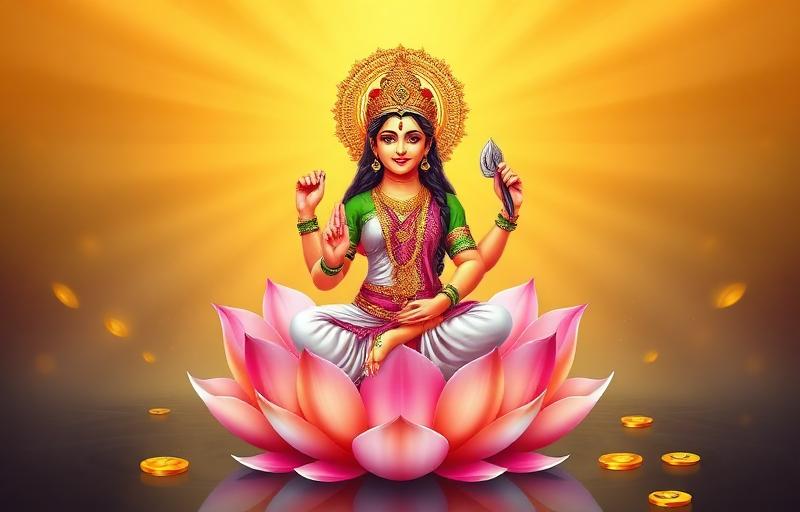
1. Rise early, take an oil bath, and clean and decorate the home with rangoli and a toran of mango leaves. 2. Raise the gudi at the doorway or window, facing it outward, and worship it with haldi-kumkum, flowers and incense. 3. Place a kalash and worship Lord Brahma, Vishnu and the family deity, lighting a lamp and offering naivedya. 4. In Ugadi homes, prepare and share Ugadi pachadi, a mix of six tastes symbolising life's joys and sorrows. 5. Read or listen to the new year's panchang shravan (almanac reading) for the year ahead. 6. Seek elders' blessings and begin any new venture or purchase as the day is highly auspicious.
Ugadi Pachadi - Six Tastes of Life
Ugadi pachadi blends six tastes that teach acceptance of all that life brings: 1. Neem flowers (bitter) for sorrow and difficulty. 2. Jaggery (sweet) for happiness. 3. Raw mango (tangy) for surprise. 4. Tamarind (sour) for distaste. 5. Chilli (hot) for anger. 6. Salt for fear. Eating all six together reminds us to meet the whole of life with balance and equanimity.
Benefits and Spirit of the Festival
Celebrating Gudi Padwa and Ugadi is believed to invite prosperity, health and victory over obstacles for the year ahead. The day is considered one of the most auspicious muhurats for new homes, vehicles, business and study. Above all, it renews the spirit - a clean home, fresh resolutions, gratitude to the divine and the sweet-and-bitter wisdom that life is to be embraced whole.
Frequently Asked Questions
When is Gudi Padwa and Ugadi 2027?+
Both fall on the Pratipada of Shukla Paksha in Chaitra, usually in March or April. Please confirm the exact 2027 date and shubh muhurat on the Vandnaa Panchang.
Are Gudi Padwa and Ugadi the same festival?+
Yes. Both mark the Hindu New Year on Chaitra Shukla Pratipada. Maharashtra and Konkan call it Gudi Padwa, while Telugu and Kannada communities call it Ugadi.
What does the gudi symbolise?+
The gudi is a victory and prosperity flag, said to honour Lord Rama's return to Ayodhya and King Shalivahana's triumph. It is hoisted at the doorway to invite good fortune.
What is Ugadi pachadi?+
Ugadi pachadi is a special dish blending six tastes - neem, jaggery, raw mango, tamarind, chilli and salt - symbolising the joys and sorrows of life accepted together.
Is Gudi Padwa a good muhurat for new beginnings?+
Yes. It is one of the most auspicious days, ideal for buying a home or vehicle, starting a business or studies, and beginning any new venture with blessings.
How do you celebrate Gudi Padwa at home?+
Clean and decorate the home, raise the gudi at the doorway, worship it and the deities, prepare festive food, read the new year's panchang and seek elders' blessings.
About the author
Pandit Mahesh Trivedi · Festival Traditions & Panchang
Pandit Mahesh leads the festival-date and Panchang content on Vandnaa. He cross-references multiple regional panchangs (Drik, Vaishnava, Bengali, Marathi) for every festival date published on the site.
Meet the Vandnaa editorial team →Explore on Vandnaa
Related Articles
Sharad Navratri 2026: 9 Days Colors, Puja Vidhi, Vrat Rules & Kanya Pujan Guide
10 min read
Krishna Aarti Lyrics in Hindi & English - Aarti Kunj Bihari Ki
9 min read
Ganga Aarti - Maa Ganga Significance, Lyrics & Puja Vidhi
9 min read

Maha Shivratri 2027 - Date, Puja Vidhi, Mantras and Vrat
9 min read

Gita Jayanti & Mokshada Ekadashi - Significance and Vidhi
9 min read

Datta Jayanti - Significance, Puja Vidhi and Mantra
8 min read