What Is Datta Jayanti
Datta Jayanti celebrates the birth of Lord Dattatreya, the son of Sage Atri and Sati Anasuya. He is the combined form of the Trimurti - Brahma, Vishnu and Mahesh (Shiva) in one - and is revered as the Guru of gurus, the original teacher of the spiritual path. He is usually shown with three heads and six arms, accompanied by four dogs (the Vedas) and a cow (the earth and dharma).
Tithi and When It Falls
Datta Jayanti falls on the Purnima (full moon) of the month of Margashirsha, the bright full-moon day of that lunar month. In the Gregorian calendar this usually comes in November or December. The main puja is performed in the evening or at the time of moonrise when Purnima prevails. Please confirm the exact date and shubh muhurat on the Vandnaa Panchang, as the tithi timing changes a little each year.
Significance and Katha
The katha tells that the Trimurti tested the chastity of Sati Anasuya by appearing as guests and asking to be fed while she was unclothed. Through her purity she turned the three gods into infants and nursed them. Pleased, they blessed her with a son who embodied all three - Dattatreya, meaning the one given (datta) by Atri's wife. He grew into the supreme guru who taught that the whole of nature can be one's teacher, having himself learned from twenty-four gurus in the world around him.
Puja Vidhi for Datta Jayanti
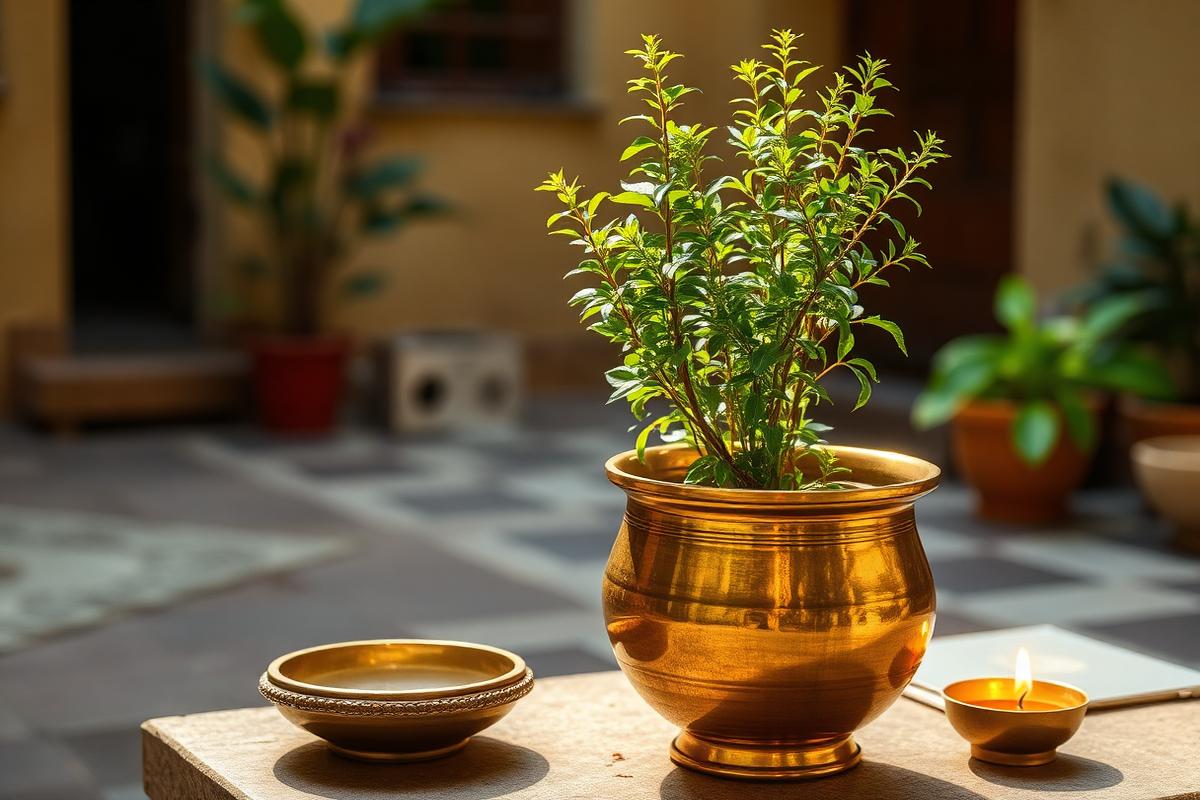
1. Bathe early, wear clean clothes and take the sankalp to worship Lord Dattatreya. 2. Place an image of Dattatreya with the cow and dogs; clean the altar and light a ghee lamp and incense. 3. Offer sandalwood, flowers (especially white and yellow), tulsi, fruits and naivedya. 4. Recite the Datta mantra and read the Datta Bavani or Dattatreya stotra and aarti. 5. Many devotees keep a fast or eat only sattvic food and observe silence and meditation for part of the day. 6. Feed dogs, cows and the needy as a cherished act of worship on this day. Worship at moonrise is considered especially auspicious.
Dattatreya Mantra
The simple and powerful Datta mantra is:
Om Shri Gurudev Datta
Another widely chanted mantra is:
Om Dram Dattatreyaya Namah
Chant either 108 times on a tulsi or rudraksha mala. Devotees also lovingly call upon him with Digambara Digambara Shripad Vallabha Digambara, invoking the ever-present guru.
Benefits of Worshipping Dattatreya
Worshipping Lord Dattatreya is believed to grant spiritual guidance, a true guru's grace, freedom from ego and ignorance, and protection from negative forces and difficulties. As the union of the Trimurti, he blesses devotees with creation's energy, sustaining grace and the power to dissolve obstacles, leading the sincere seeker toward inner clarity, detachment and self-realisation.
Reader Questions Answered
When is Datta Jayanti?+
Datta Jayanti falls on the Purnima (full moon) of Margashirsha, usually in November or December. Please confirm the exact date and shubh muhurat on the Vandnaa Panchang.
Who is Lord Dattatreya?+
Dattatreya is the combined form of Brahma, Vishnu and Mahesh, son of Sage Atri and Anasuya. He is revered as the Guru of gurus and the original teacher of the spiritual path.
What is the Dattatreya mantra?+
The simple mantra is 'Om Shri Gurudev Datta'. Another is 'Om Dram Dattatreyaya Namah', chanted 108 times on a tulsi or rudraksha mala for guidance and grace.
Why are dogs and a cow shown with Dattatreya?+
The four dogs represent the four Vedas and the cow represents the earth and dharma. They show Dattatreya as the lord who carries all knowledge and sustains the world.
How is Datta Jayanti observed?+
Devotees bathe early, worship Dattatreya with a lamp, flowers and naivedya, chant the Datta mantra, read the Datta Bavani, keep a sattvic fast and feed dogs, cows and the needy.
What are the benefits of worshipping Dattatreya?+
It is believed to grant a true guru's grace, spiritual guidance, freedom from ego and ignorance, protection from negativity, and progress toward inner clarity and self-realisation.
About the author
Acharya Vinaya Kapoor · M.A. Sanskrit, Mantra & Stotra Studies
Acharya Vinaya holds an M.A. in Sanskrit from Banaras Hindu University and writes the mantra and stotra commentary on Vandnaa. Her focus is on accurate pronunciation, traditional context, and helping modern readers connect with classical texts.
Meet the Vandnaa editorial team →Explore on Vandnaa
Related Articles
Dattatreya Aarti & Mantra - Significance & Puja Vidhi
9 min read

Gita Jayanti & Mokshada Ekadashi - Significance and Vidhi
9 min read
Dev Diwali / Kartik Purnima - Significance, Snan and Vidhi
9 min read
Maha Shivratri 2027 - Date, Puja Vidhi, Mantras and Vrat
9 min read
Om Namah Shivaya Mantra Benefits & Meaning (ॐ नमः शिवाय)
9 min read
Krishna Aarti Lyrics in Hindi & English - Aarti Kunj Bihari Ki
9 min read