An Ancient Gesture of Gratitude to the River
Offering aarti, a lit lamp waved in devotion, to the river Ganga is a practice woven deeply into Hindu tradition, born from the belief that the river is not merely water but Mother Ganga herself, a living goddess who nourishes, cleanses and sustains everyone who lives along her banks. In Varanasi, this simple gesture of gratitude has grown into one of the most recognisable devotional sights in the country.
While individual devotees have long offered small lamps to the river on their own, the organised, large scale evening aarti performed today is what has made this tradition famous well beyond Varanasi itself.
How the Grand Evening Ritual Took Shape
The custom of honouring Ganga with lamps and hymns at Varanasi's ghats is old, but in recent decades this evening ritual has grown into the grand, coordinated form seen today, performed by a row of young priests moving through each stage of the aarti in unison, from incense to multi-tiered lamps to the final waving of flames.
This organised format has become so beloved that it is now echoed at other ghats within Varanasi itself, such as Assi Ghat, and has inspired similar evening river aartis in other cities along the Ganga, including Haridwar and Rishikesh, though the version at Varanasi's main ghats remains the most iconic.
What Each Element of the Aarti Symbolises
Every element of the Ganga Aarti carries meaning for devotees who watch closely.
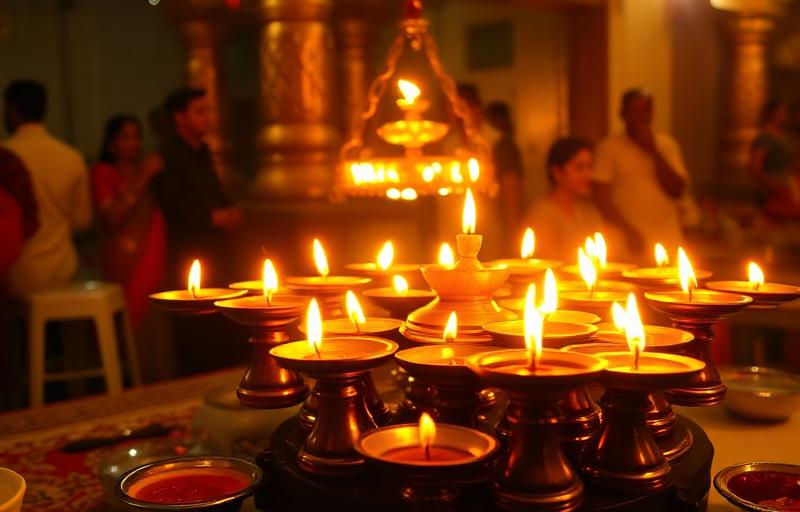
- The large, multi-tiered brass lamps represent light offered from the self to the divine, lifted high so the goddess may receive it fully
- The conch shell's sound, blown at the start, is considered auspicious and is believed to clear the atmosphere for worship
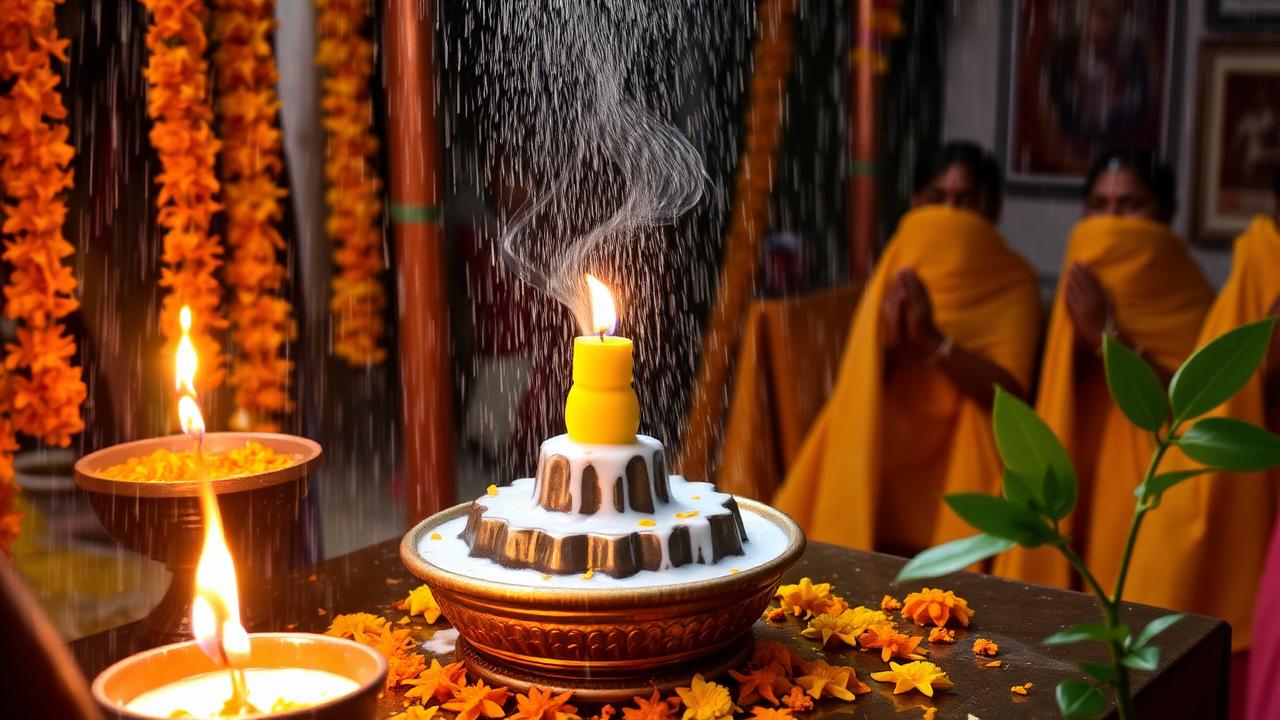
- Rising incense smoke represents prayers carried upward
- The synchronised movements of the priests reflect disciplined devotion performed as one collective offering rather than many individual ones
- Hymns such as the well-loved Om Jai Gange Mata aarti song accompany the ritual, inviting everyone present, not only the priests, to take part in the devotion
The Daily Rhythm of Ganga Worship

The main Ganga Aarti takes place every evening as dusk settles over the ghats, drawing devotees, families and travellers who gather on the steps and in boats moored along the river to watch together. Some ghats also observe a simpler morning aarti, quieter and more intimate, attended mostly by devotees beginning their day with prayer.
Regardless of the hour, the aarti is never treated as a performance for its own sake. For those who attend regularly, it remains, first and foremost, an act of worship, a daily renewal of the relationship between the city and the river that gives it life.
Experiencing the Ganga Aarti as a Visitor
Visitors are warmly welcomed to witness the Ganga Aarti, whether from the ghat steps, a nearby vantage point, or a boat on the river. Arriving a little early, dressing modestly and observing quietly are simple ways to honour the devotional spirit of the ritual.
Many choose to combine this evening with an earlier visit to Kashi Vishwanath Temple, letting the day's pilgrimage end, fittingly, with a shared act of thanksgiving to the river that has always run alongside the city's faith.
The Takeaway: A Nightly Act of Thanks
Standing among the crowd at the aarti, many devotees quietly join in the refrain sung to the river:
Om Jai Gange Mata, Maiya Jai Gange Mata (Victory to Mother Ganga)
This simple line, repeated each evening for generations, captures the entire spirit of the ritual in a single line of devotion.
The Ganga Aarti tradition of Varanasi endures because it answers a very old human need: the need to say thank you, together, to something that gives without asking anything in return. Worship here is an act of faith and gratitude, not a transaction, offered nightly to a river that has carried the city's prayers for as long as anyone can remember.
Frequently Asked Questions
How old is the tradition of offering aarti to the Ganga in Varanasi?+
Offering lamps and prayer to Ganga is an ancient practice in Varanasi, though the large, organised evening aarti performed by a coordinated group of priests, as seen today, took its grand form in recent decades.
What does the multi-tiered lamp used in Ganga Aarti symbolise?+
The large, multi-tiered brass lamp represents light offered from the self to the divine, lifted high during the ritual so that the offering may be received fully by Mother Ganga.
Is the Ganga Aarti performed only in the evening?+
The main, grand aarti takes place every evening at dusk, though some ghats also observe a simpler, quieter morning aarti attended mostly by devotees beginning their day with prayer.
About the author
Acharya Vinaya Kapoor · M.A. Sanskrit, Mantra & Stotra Studies
Acharya Vinaya holds an M.A. in Sanskrit from Banaras Hindu University and writes the mantra and stotra commentary on Vandnaa. Her focus is on accurate pronunciation, traditional context, and helping modern readers connect with classical texts.
Meet the Vandnaa editorial team →