Does the Gita Reject Wealth
The Bhagavad Gita never tells us that money is evil or that prosperity is to be shunned. What it warns against is attachment, greed and the loss of inner balance in the pursuit of wealth. Lord Krishna teaches that material abundance is one of the legitimate goals of life when earned through honest effort (dharma) and used wisely. The problem is never wealth itself, but allowing it to become the master of the mind rather than a tool in the hands of a steady, devoted person.
Yogah Karmasu Kaushalam - Skill in Action
One of the Gita's great teachings on work and earning is:
Buddhi-yukto jahaateeha ubhe sukrita-dushkrite, tasmaad yogaaya yujyasva yogah karmasu kaushalam. (2.50)
Meaning: One united in wisdom casts off both good and bad results here; therefore strive for yoga - yoga is skill in action. Krishna teaches that excellence, focus and integrity in our work are themselves a spiritual practice. Wealth that flows from skilful, sincere effort is honourable; we should give our best to the work and stay calm about the fruit.
Wealth as a Means, Not the Goal
The Gita's heart is nishkama karma - acting with full effort but without clinging to results. Money is to be treated as a means to live with dignity, support one's family and serve dharma, never as the final aim of life. Krishna repeatedly warns that those ruled by endless desire and the hoarding instinct lose their peace and discrimination. The wise earn and use wealth while keeping their inner freedom, knowing that true and lasting prosperity rests on contentment, not accumulation.
Lakshmi Follows Dharma
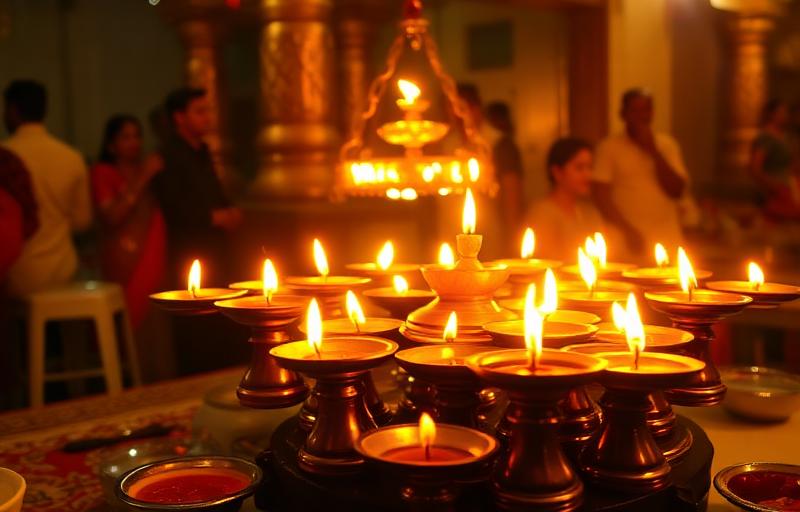
A central teaching of the Gita is that wealth earned and held within dharma (righteousness) brings blessing, while wealth gained through adharma eventually destroys peace and even itself. This is why tradition says Lakshmi follows dharma - lasting prosperity comes to the honest, the dutiful and the generous. Krishna calls us to perform our svadharma (rightful duty) with sincerity. When effort is righteous, the wealth it brings is stable, brings no guilt, and supports a life of devotion and service rather than restlessness.
Applying Gita Wisdom to Money Today
The Gita's teaching on wealth can be lived simply: 1. Earn through dharma - work honestly and with skill, treating excellence as worship. 2. Give your best, release the result - plan and act fully, but do not let anxiety over outcomes steal your peace. 3. Treat money as a tool, not the meaning of life; let it serve your duties and values. 4. Share regularly - keep a fixed portion for daan and helping others. 5. Stay content - measure wealth by peace and purpose, not by comparison. 6. Offer your work to the Divine, so prosperity becomes a path of devotion rather than a cause of restlessness.
Quick Answers
Does the Bhagavad Gita say money is bad?+
No. The Gita does not condemn wealth. It warns against attachment, greed and losing inner peace. Money earned through dharma and used wisely is honourable; the danger is letting it rule the mind.
What does 'yogah karmasu kaushalam' mean?+
From Gita 2.50, it means 'yoga is skill in action'. It teaches that excellence, focus and integrity in our work are themselves a spiritual practice, and wealth from such sincere effort is honourable.
How does the Gita say wealth should be used?+
Wealth should be treated as a means to live with dignity, support family and serve dharma, not as life's goal. A portion should be shared through daan and service, which purifies wealth and keeps the heart free of greed.
What does Gita 3.13 teach about sharing?+
Gita 3.13 says those who cook only for themselves eat only sin. It teaches that what we receive is part of a larger exchange (yajna) and should circulate back through sharing, charity and service to others.
Why is it said that Lakshmi follows dharma?+
Because wealth earned and held within righteousness brings lasting blessing, while wealth gained through adharma destroys peace. Prosperity that rests on honesty, duty and generosity is stable and free of guilt.
How can I apply Gita teachings to my finances?+
Earn honestly with skill, give your best while releasing anxiety over results, treat money as a tool, share a fixed portion as daan, stay content, and offer your work to the Divine so prosperity becomes a path of devotion.
About the author
Anjali Mehta · Editor, M.A. Religious Studies
Anjali is the managing editor for Vandnaa and oversees the festival and vrat coverage. She holds an M.A. in Religious Studies and reviews every published article for accuracy, accessibility, and tradition-fidelity.
Meet the Vandnaa editorial team →Explore on Vandnaa
Related Articles

Bhagavad Gita - All 18 Chapters Summary & Key Teachings
10 min read
Lakshmi Chalisa - Lyrics, Meaning, Benefits & Jap Vidhi
9 min read
Lakshmi Aarti Lyrics – Om Jai Lakshmi Mata (लक्ष्मी आरती)
8 min read

Pongal 2027 - Significance & 4-Day Celebration
9 min read

Kumbh Mela - Significance, History & Holy Snan
10 min read
108 Names of Lord Krishna: Complete List with Meaning, Benefits & How to Chant Daily
12 min read