What Is Pongal and When It Falls
Pongal is the great Tamil harvest festival, a heartfelt thanksgiving to Surya (the Sun), the rains, the earth and the cattle that make the harvest possible. It marks the start of the auspicious Thai month when the Sun begins its northward journey (Uttarayana) into Makara (Capricorn), the same moment celebrated as Makar Sankranti across India. Pongal 2027 falls in mid-January, with Thai Pongal on the main day. The word pongal means 'to boil over', and the joyful overflowing of the festive rice pot symbolises abundance and prosperity.
Significance of Pongal
Pongal is above all a festival of gratitude. It honours Surya Bhagavan as the source of all life and energy, thanks the rain and soil for the grain, and reveres the cattle that plough the fields and give milk. By cooking the first rice of the new harvest and offering it back to the Sun before eating, devotees express that nothing is taken for granted. It is a reminder that prosperity is a gift of nature and the divine, to be received with humility and shared with the community.
Day 1 - Bhogi and Day 2 - Thai Pongal
Day 1 - Bhogi Pongal: Homes are cleaned and old, unwanted things are burnt in a Bhogi bonfire, letting go of the past and welcoming the new. Indra, the lord of rain and harvest, is honoured.
Day 2 - Thai Pongal (the main day): At dawn, fresh rice, milk and jaggery are boiled in a new clay or brass pot, often outdoors facing the Sun. When the pot boils over, the family joyfully calls out 'Pongalo Pongal!'. The sweet rice (chakkarai pongal) is first offered to Surya, then shared as prasad. Sugarcane, turmeric and fresh produce decorate the worship space.
Day 3 - Mattu Pongal and Day 4 - Kaanum Pongal
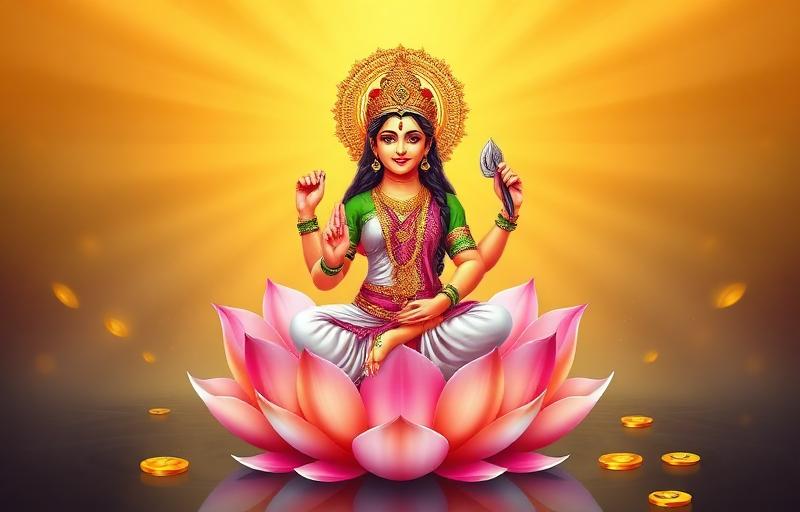
Day 3 - Mattu Pongal: This day honours mattu (cattle), the faithful partners of the farmer. Cows and bulls are bathed, their horns painted, garlanded with flowers and bells, fed special pongal and worshipped with gratitude for their labour.
Day 4 - Kaanum Pongal: A day for family bonding and outings. People visit relatives, elders bless the young, and women place leftover pongal outside for birds, praying for the wellbeing of their brothers and family. It closes the festival on a note of love, reunion and shared joy.
How Pongal Is Cooked and Offered
The Thai Pongal ritual is simple and joyful: 1. Clean the courtyard and draw a fresh kolam (rangoli) at dawn. 2. Set a new pot on an earthen stove, tying turmeric and ginger plants around it. 3. Add rice, milk, jaggery, cardamom, ghee, cashews and raisins to make sweet chakkarai pongal. 4. Let it boil over as the family faces east and calls 'Pongalo Pongal!'. 5. Offer the first portion to Surya along with sugarcane, bananas and coconut. 6. Distribute the prasad to family and neighbours. The overflowing pot is always seen as a blessing of plenty for the year ahead.
The Spirit and Benefits of Pongal
Celebrating Pongal cultivates gratitude, humility and connection - to the Sun, the earth, animals and one another. It teaches that prosperity flows from honest labour blessed by nature, and that the first fruits should be offered before they are enjoyed. Beyond the rituals, Pongal renews family bonds, encourages sharing with the poor and birds, and fills the home with the auspicious energy of a fresh, abundant beginning.
Common Questions From Devotees
When is Pongal celebrated in 2027?+
Pongal 2027 falls in mid-January, when the Sun enters Makara and the Tamil Thai month begins. Thai Pongal is the main day, with the four-day festival running across consecutive days. Confirm exact dates with a local Panchang.
What are the four days of Pongal?+
The four days are Bhogi Pongal (cleansing and bonfire), Thai Pongal (boiling sweet rice for Surya), Mattu Pongal (honouring cattle), and Kaanum Pongal (family outings and visits).
Which deity is worshipped during Pongal?+
Surya Bhagavan, the Sun god, is the chief deity of Pongal, thanked for light, energy and the harvest. Indra (rain) and the cattle are also honoured during the four days.
What is sweet Pongal made of?+
Sweet chakkarai pongal is cooked from fresh rice, milk and jaggery, flavoured with cardamom, ghee, cashews and raisins. It is boiled in a new pot and offered first to Surya before being shared as prasad.
Why does the Pongal pot need to boil over?+
The word 'pongal' means to boil over, and the overflowing pot symbolises abundance, prosperity and a year full of plenty. The family joyfully shouts 'Pongalo Pongal!' at this auspicious moment.
How is Pongal related to Makar Sankranti?+
Both fall at the same time, when the Sun enters Makara and begins Uttarayana. Pongal is the Tamil harvest celebration of this transit, while much of North India marks the day as Makar Sankranti.
About the author
Pandit Mahesh Trivedi · Festival Traditions & Panchang
Pandit Mahesh leads the festival-date and Panchang content on Vandnaa. He cross-references multiple regional panchangs (Drik, Vaishnava, Bengali, Marathi) for every festival date published on the site.
Meet the Vandnaa editorial team →Explore on Vandnaa
Related Articles
Kumbh Mela - Significance, History & Holy Snan
10 min read

Vat Savitri vs Vat Purnima - Difference & Vrat
9 min read

What the Bhagavad Gita Says About Money & Wealth
10 min read
Lakshmi Aarti Lyrics – Om Jai Lakshmi Mata (लक्ष्मी आरती)
8 min read
Gau Mata Puja - Significance, Benefits & Vidhi to Worship the Cow
9 min read
Vishnu Aarti Lyrics - Om Jai Jagdish Hare in Hindi & English
8 min read