Two Names for One Sacred Vow
Vat Savitri and Vat Purnima are two regional forms of the same revered vrat, kept by *married women (suhagan) who pray for the long life, health and prosperity of their husbands. Both centre on the worship of the vat (banyan) tree and the immortal story of Savitri, who won back her husband Satyavan from Yama himself. The festivals fall in the lunar month of Jyeshtha (around May-June) but on different tithis, roughly fifteen days apart*, which is the heart of the difference between them.
Vat Savitri Vrat - North and West India
Vat Savitri Vrat is observed on Jyeshtha Amavasya (the no-moon day of Jyeshtha). It is most popular in North and West India - Uttar Pradesh, Bihar, Madhya Pradesh, Maharashtra and nearby regions. Women rise early, dress in bridal finery and solah shringar, and gather at a banyan tree to tie a sacred thread around its trunk while listening to the Savitri-Satyavan katha. Many keep a strict fast through the day, praying for their husband's protection and the unbroken state of saubhagya (marital good fortune).
Vat Purnima Vrat - Maharashtra, Gujarat, South
Vat Purnima Vrat is observed on Jyeshtha Purnima (the full-moon day of Jyeshtha), about fifteen days after Amavasya. It is the prevailing form in Maharashtra, Gujarat, Goa and parts of South India. The rituals are nearly identical - married women worship the banyan, circle it seven times winding a thread, offer water and pray for their husband's long life. The chief difference is simply the tithi: the same regions that follow the Purnimanta calendar mark the vow on the full moon rather than the new moon.
The Story of Savitri and Satyavan
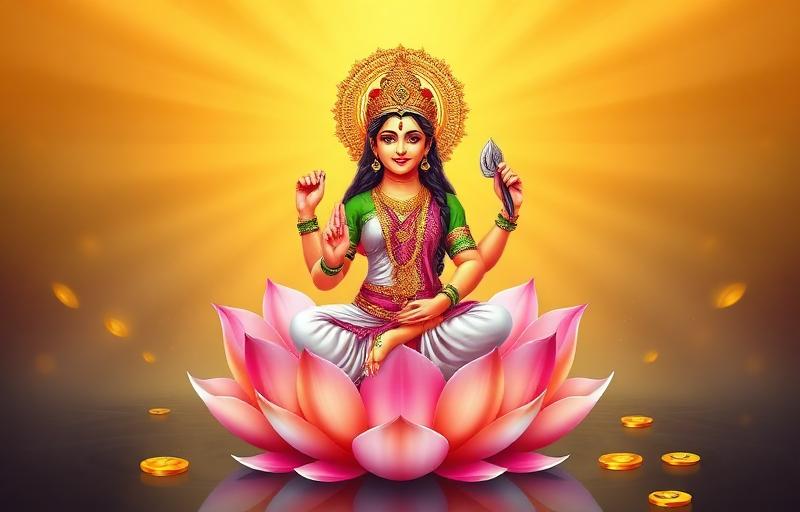
The vrat draws its power from the Mahabharata legend of Savitri. The devoted Savitri married Satyavan, knowing through a sage's prophecy that he would die within a year. On the fated day, when Yama, the lord of death, came to take his soul, Savitri followed him with unshakeable devotion and wise speech. Pleased, Yama granted her several boons, and through her cleverness she secured a boon that restored Satyavan to life. Her unwavering love under the banyan tree is the eternal model honoured by every woman who keeps this vrat.
Side-by-Side - Key Differences and Similarities
Who keeps it: Both - married women for their husband's long life. Tithi: Vat Savitri on Jyeshtha Amavasya; Vat Purnima on Jyeshtha Purnima (about 15 days later). Region: Vat Savitri in North and West India; Vat Purnima in Maharashtra, Gujarat, Goa and the South. Deity and focus: Both worship the banyan tree and recall Savitri-Satyavan; Savitri, Satyavan and Yama are central to both. Rituals: Both tie thread around the banyan, circle it, offer water and listen to the katha. Key difference: Essentially the calendar (Amavasya vs Purnima) followed in different regions - the vow, meaning and rituals are otherwise the same.
How the Vrat Is Observed
The puja vidhi is similar for both: 1. Rise early, bathe and wear bridal clothes and solah shringar. 2. Keep a fast (often nirjala or fruit-only) through the day. 3. Go to a banyan tree, clean its base and offer water, roli, rice, flowers and fruit. 4. Wind a raw cotton thread around the trunk while circling it seven times. 5. Listen to or read the Savitri-Satyavan katha. 6. Offer bhog, seek blessings of elders, and break the fast after the puja. Married women pray throughout for their husband's long life and for lasting marital harmony.
Quick Answers
Is Vat Savitri the same as Vat Purnima?+
They are the same vrat with the same meaning and rituals, but observed on different tithis. Vat Savitri falls on Jyeshtha Amavasya, while Vat Purnima falls on Jyeshtha Purnima, about fifteen days later.
Who observes these vrats?+
Both vrats are kept by married women, who pray for the long life, health and prosperity of their husbands and for lasting marital harmony, following the example of Savitri.
Why is the banyan tree worshipped?+
The banyan (vat) tree symbolises long life and immortality, as it lives for centuries. Savitri revived Satyavan beneath a banyan, so women tie a thread around it and circle it while praying for their husband's long life.
Which regions follow Vat Savitri and which follow Vat Purnima?+
Vat Savitri on Amavasya is popular in North and West India such as UP, Bihar and MP, while Vat Purnima on Purnima is the prevailing form in Maharashtra, Gujarat, Goa and parts of South India.
What does the Savitri-Satyavan story teach?+
It teaches the power of devotion, wisdom and unwavering love. Savitri's steadfast faith and clever speech persuaded Yama to restore her husband Satyavan to life, making her the eternal ideal of a devoted wife.
How is the Vat vrat fast kept?+
Many women keep a nirjala (waterless) or fruit-only fast through the day, dress in bridal finery, worship the banyan tree, listen to the katha and break the fast after the puja with the blessings of elders.
About the author
Pandit Mahesh Trivedi · Festival Traditions & Panchang
Pandit Mahesh leads the festival-date and Panchang content on Vandnaa. He cross-references multiple regional panchangs (Drik, Vaishnava, Bengali, Marathi) for every festival date published on the site.
Meet the Vandnaa editorial team →Explore on Vandnaa
Related Articles
Hariyali Teej vs Hartalika Teej - Difference
9 min read

Pongal 2027 - Significance & 4-Day Celebration
9 min read
Kumbh Mela - Significance, History & Holy Snan
10 min read
Shiv Aarti Lyrics – Om Jai Shiv Omkara (शिव आरती)
13 min read
Lakshmi Aarti Lyrics – Om Jai Lakshmi Mata (लक्ष्मी आरती)
8 min read
Durga Aarti Lyrics – Ambe Tu Hai Jagdambe Kali (दुर्गा आरती)
8 min read