What and When
Most devotees know the two great Navratris, Chaitra in spring and Sharad in autumn, celebrated openly with pandals, garba and public festivity. Less widely known are the two Gupt Navratris, observed in the months of Ashadha (June-July) and Magha (January-February), which fall between the two major Navratris.
The word 'Gupt' means hidden or secret, and true to its name, this Navratri is observed quietly, without the large public celebrations of Durga Puja or Navratri garba, focused instead on personal prayer and inward devotion.
Origin and Belief
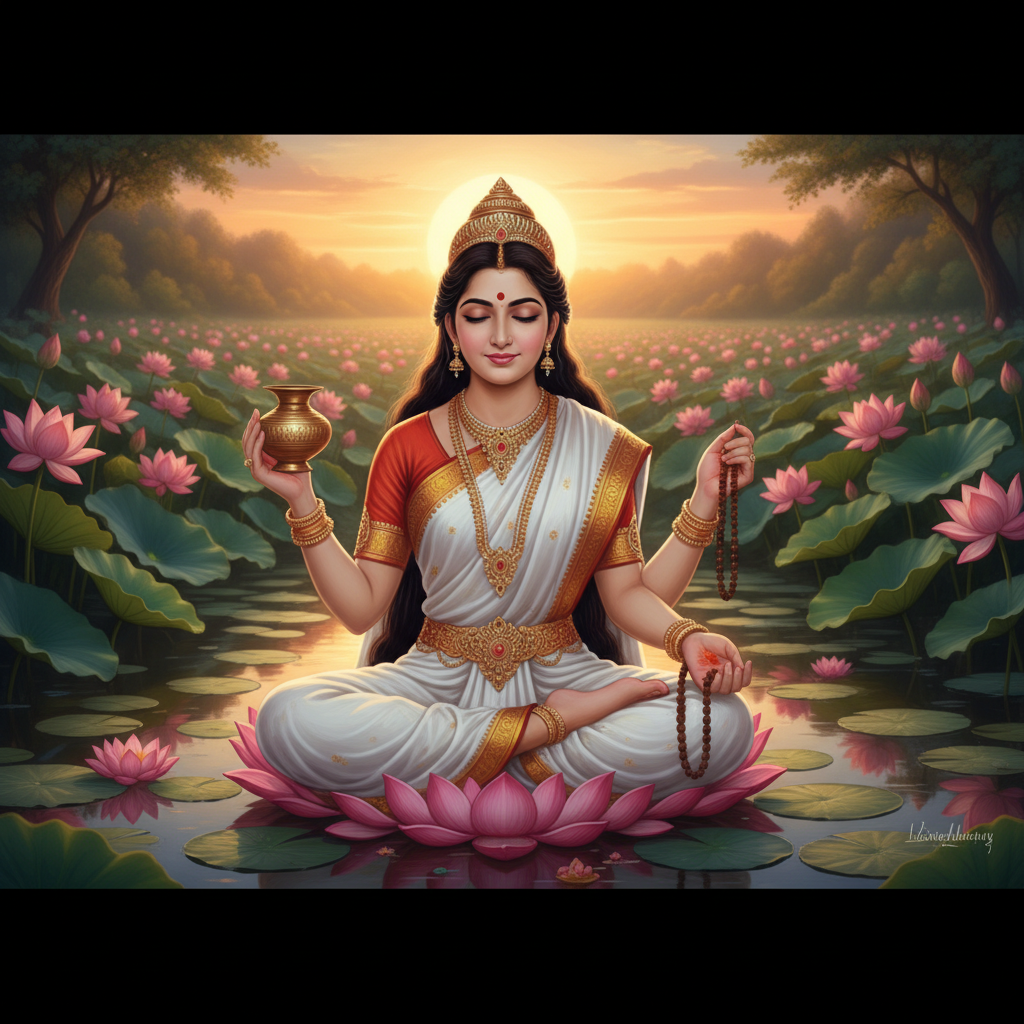
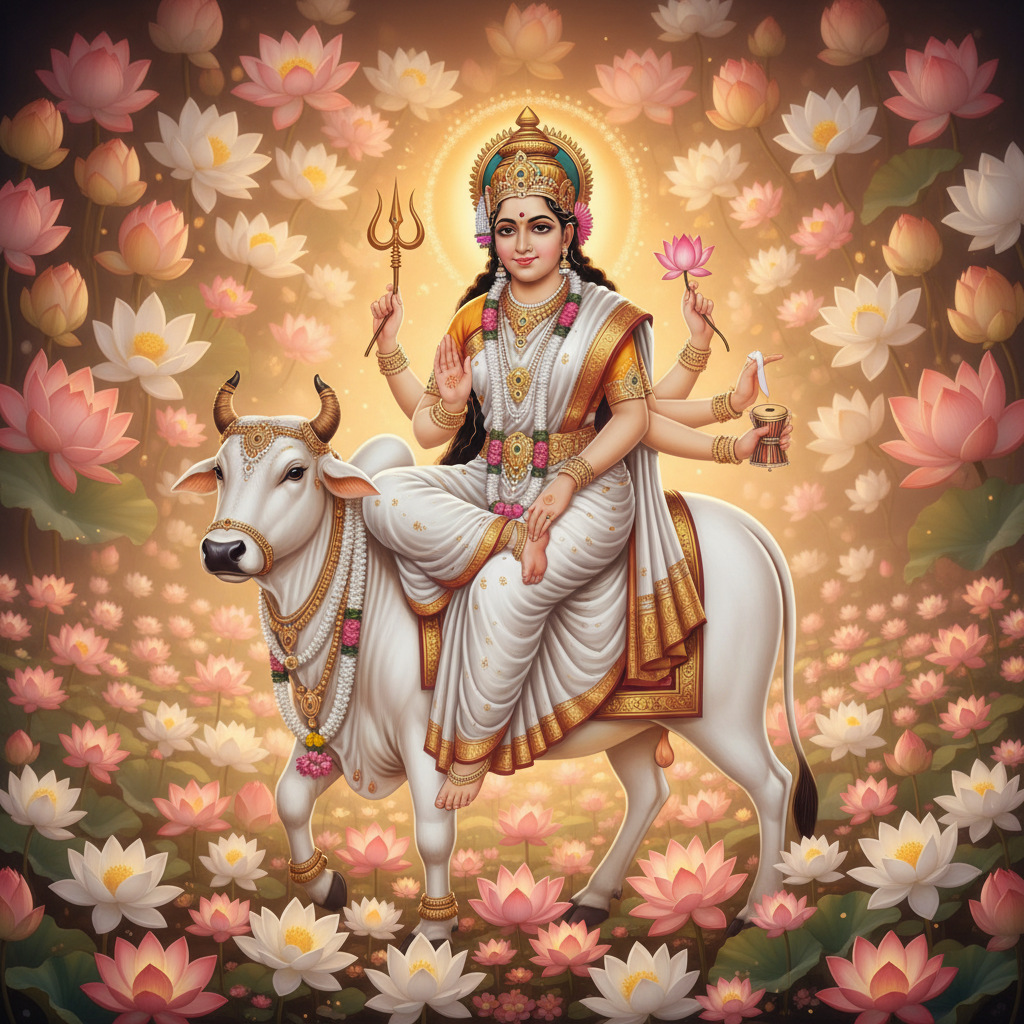
Devotional tradition associates Gupt Navratri with the worship of the Devi in her ten Mahavidya forms, wisdom aspects of the goddess described in tantric and puranic literature. Because this path of worship is considered more inward and disciplined, it was traditionally kept away from public display, hence the name 'hidden'.
Sages and devoted practitioners across generations are said to have used these nine days for deep personal sadhana, treating the quieter energy of these months as especially suited for reflection, japa and scriptural study rather than festivity.
Rituals and Vidhi
Devotees who observe Gupt Navratri typically keep the rituals simple and personal, focused on daily worship at home rather than public celebration.
- A simple akhand jyoti or daily lamp may be lit before the Devi for the nine days
- Devotees recite Durga Saptashati, the Devi's names, or personal japa quietly at home
- Fasting is optional and usually kept light, in keeping with the season
- Charity and quiet acts of service are considered a meaningful part of this Navratri
- Unlike the major Navratris, there is no expectation of large gatherings, processions or immersion ceremonies
Regional Flavour
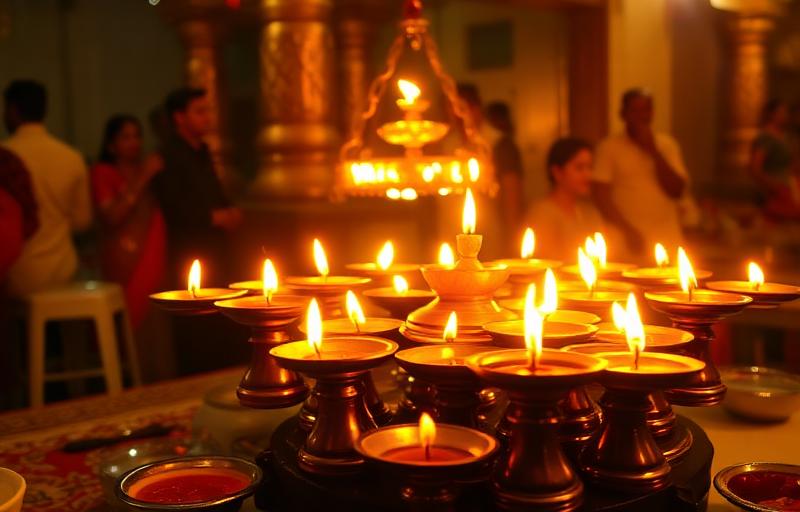
Gupt Navratri is observed with particular devotion in temples associated with tantric worship and the Mahavidyas, including shrines in eastern and northern India where dedicated sadhaks gather quietly during these nine days.
While it does not draw the crowds of Sharad or Chaitra Navratri, many households across India quietly mark the period with an extra diya, a page of the Chandi Path, or a moment of prayer, keeping the observance alive in its own understated way.
Mantra and Takeaway
Devotees who observe this Navratri often chant simple invocations of the Devi, such as Om Aim Hreem Kleem Chamundaye Vicche, or recite verses from the Durga Saptashati with quiet devotion through the nine days.
Gupt Navratri teaches that devotion does not always need to be visible or grand; some of the deepest faith is nurtured quietly, between a devotee and the Devi alone. This hidden nine nights remind us that worship, at its heart, is a private conversation of love with the divine mother.
Quick Answers
What is Gupt Navratri?+
Gupt Navratri refers to the two lesser-known nine-night observances in the months of Ashadha and Magha, kept quietly for personal devotion to the Devi, unlike the public celebrations of Chaitra and Sharad Navratri.
When does Gupt Navratri fall?+
Gupt Navratri is observed in the Hindu months of Ashadha, around June-July, and Magha, around January-February.
How is Gupt Navratri different from Sharad Navratri?+
Gupt Navratri is observed quietly at home through personal prayer and japa, without the large public gatherings, garba or immersion processions associated with Sharad Navratri.
About the author
Pandit Mahesh Trivedi · Festival Traditions & Panchang
Pandit Mahesh leads the festival-date and Panchang content on Vandnaa. He cross-references multiple regional panchangs (Drik, Vaishnava, Bengali, Marathi) for every festival date published on the site.
Meet the Vandnaa editorial team →