What and When
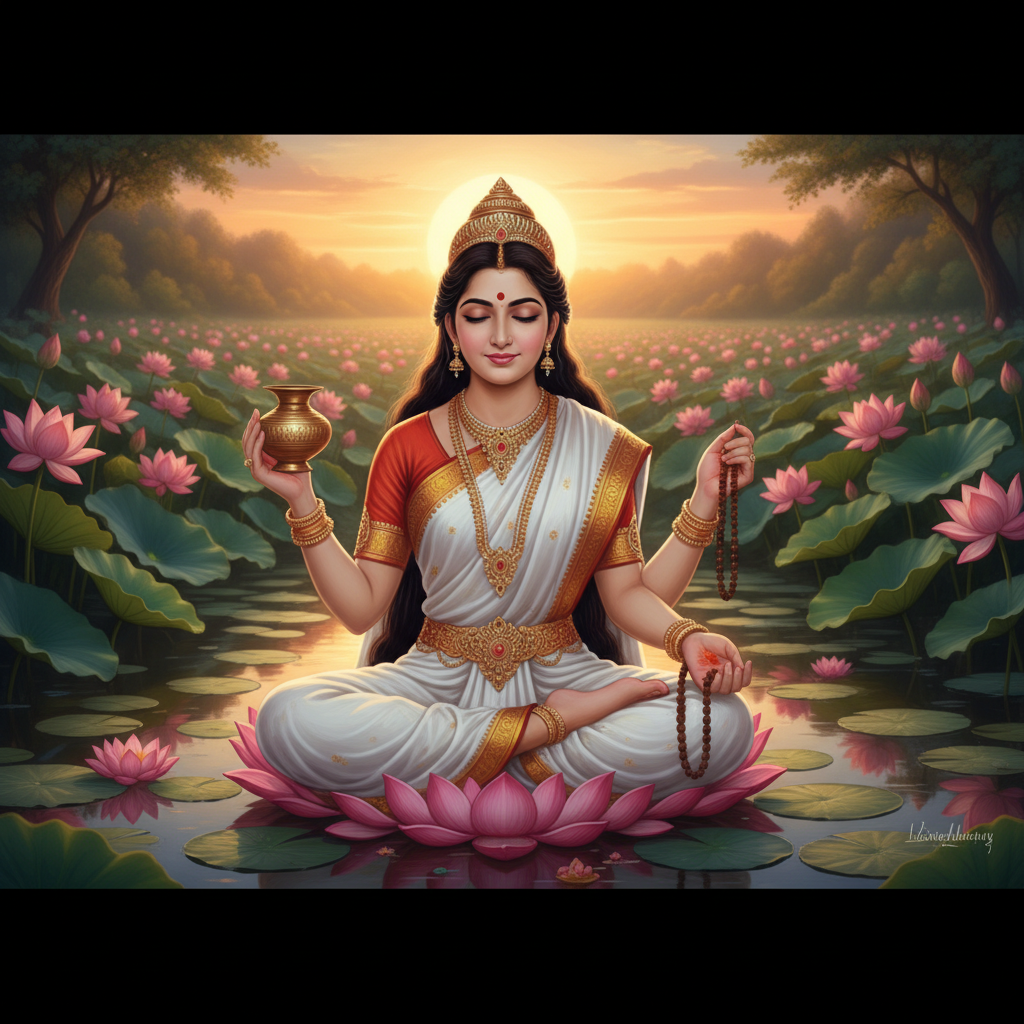
Shakambhari Navratri is a nine-day observance dedicated to the Devi in her form as Shakambhari, the goddess who as per tradition sustains all beings through plants, fruits and vegetables. It falls in the Hindu month of Paush (December-January), culminating on Shakambhari Purnima, the full moon day of the month.
The name Shakambhari itself is understood by devotees to mean 'the bearer of vegetables', a form of the Devi celebrated for her nurturing, life-giving compassion rather than her fierce aspect.
Katha and Origin
The Devi Bhagavata and Markandeya Purana describe a time of severe drought and famine, when the earth was parched and living beings suffered greatly. Devotees believe the Devi, moved by compassion, revealed her form as Shakambhari and sustained the world by growing vegetables and fruits from her own body, feeding all creation for years until the rains returned.
This katha is cherished as a powerful reminder that the mother goddess's compassion extends to the most basic needs of life, food and nourishment, and that she is worshipped not only for protection from harm but for sustaining life itself.
Rituals and Vidhi
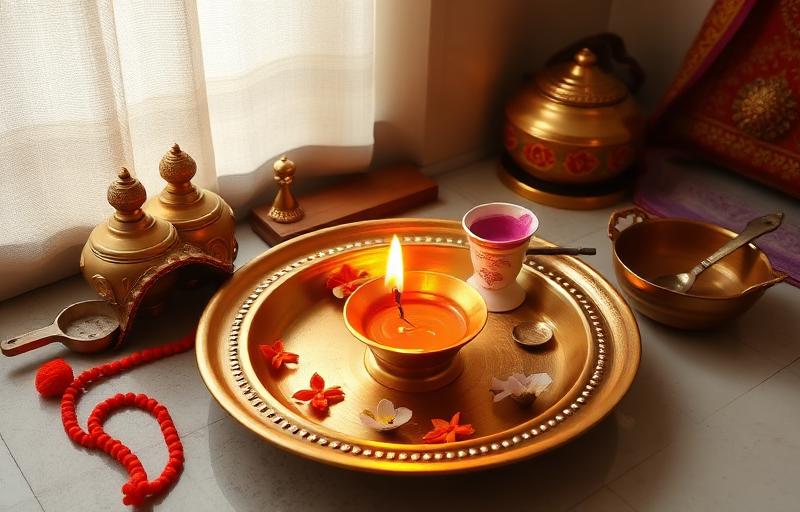
Devotees observing Shakambhari Navratri keep a vrat through the nine days, often abstaining from grains and eating only fruits and vegetables in reverence of the Devi's own form.
- Daily worship includes offering fresh fruits, vegetables and leafy greens to the Devi
- Devotees recite the Devi's names and chant verses from scriptures describing the Shakambhari katha
- On Shakambhari Purnima, elaborate poojas are conducted, particularly at temples associated with this form of the Devi
- Charity involving food grains and vegetables to the needy is considered especially meritorious during this period
Regional Flavour
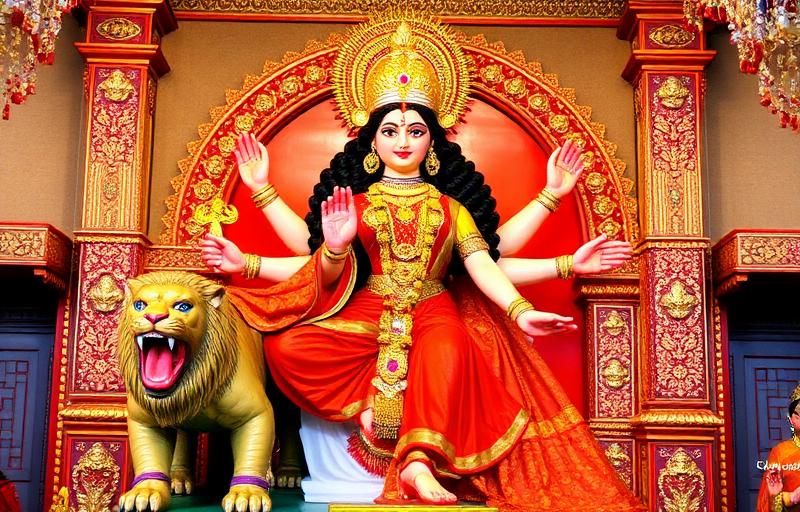
Shakambhari Devi has notable shrines associated with this form of the goddess in Rajasthan and near the Shivalik hills of North India, drawing devotees especially during this Navratri.
Across North India, the observance is kept mostly by dedicated devotees and families with a personal connection to Shakambhari Devi, making it a quieter but deeply meaningful part of the wider Devi worship calendar.
Mantra and Takeaway
Devotees pray to Shakambhari Devi with gratitude for the food and nourishment she is believed to provide, often reciting simple invocations such as Jai Shakambhari Maa while offering fruits and vegetables at her altar.
Shakambhari Navratri teaches that the divine mother's grace is present in something as ordinary and essential as a meal, and that gratitude for daily sustenance is itself a form of worship. As with all devotion, this reminds us that faith is an offering of the heart, not a transaction.
Common Questions From Devotees
What does Shakambhari mean?+
Shakambhari is understood by devotees to mean 'the bearer of vegetables', a form of the Devi celebrated for sustaining life through plants and fruits.
When is Shakambhari Navratri celebrated?+
Shakambhari Navratri is observed in the Hindu month of Paush, culminating on Shakambhari Purnima, the full moon day of the month.
What is the katha behind Shakambhari Devi?+
Tradition holds that during a severe famine, the Devi revealed her Shakambhari form and sustained all creation with vegetables and fruits until the rains returned.
About the author
Pandit Mahesh Trivedi · Festival Traditions & Panchang
Pandit Mahesh leads the festival-date and Panchang content on Vandnaa. He cross-references multiple regional panchangs (Drik, Vaishnava, Bengali, Marathi) for every festival date published on the site.
Meet the Vandnaa editorial team →