What and When
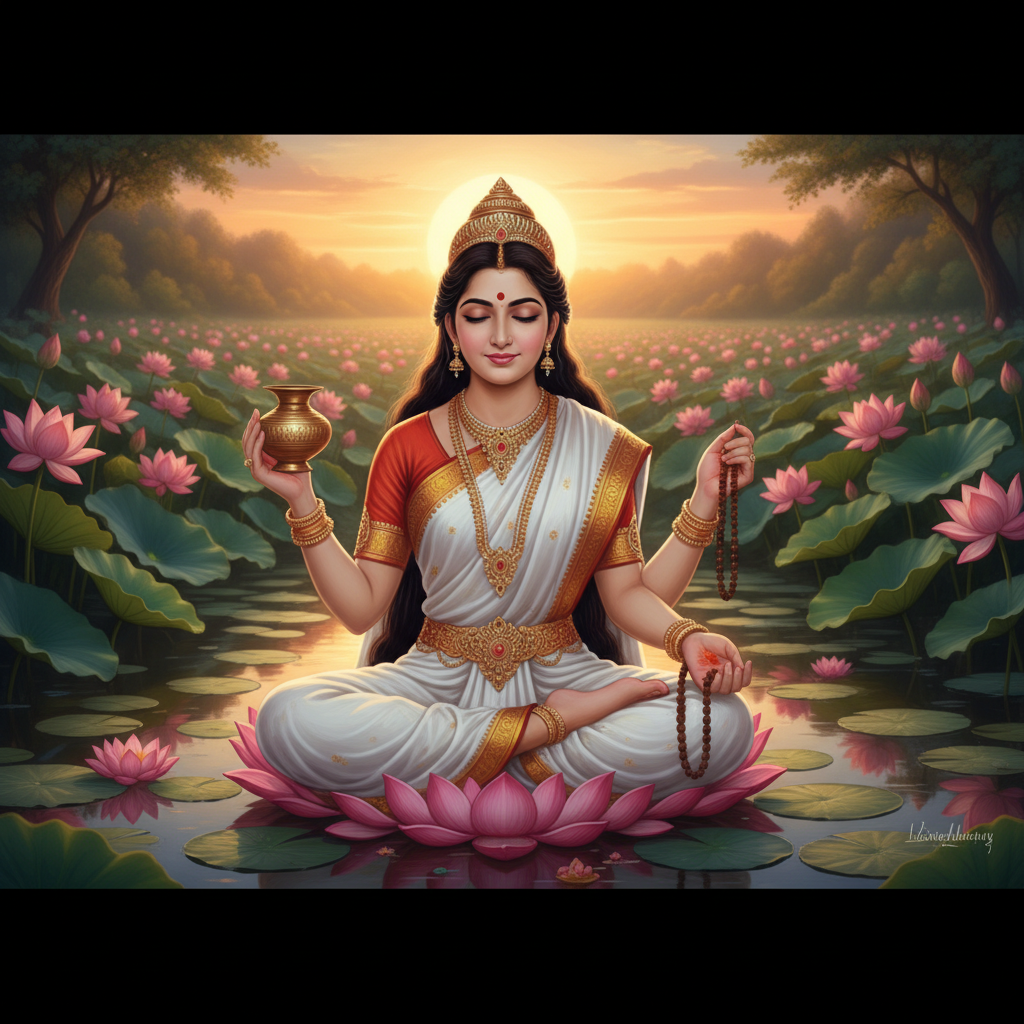
The Katyayani vrat is one of the most tender devotional traditions described in the Bhagavata Purana, observed by the young gopis of Vrindavan through the entire month of Margashirsha (roughly November-December). Each morning before sunrise, the gopis would walk to the banks of the Yamuna to worship Goddess Katyayani, a form of the Devi.
The vrat is remembered today as a symbol of unwavering devotion, and many devotees observe a simplified version of it during Margashirsha, offering prayers to the Devi at dawn as the gopis once did.
Katha and Origin
As per the Bhagavata Purana, the gopis undertook this vrat with a single-minded wish, that Krishna, whom they loved with pure devotion, become the fulfilment of their lives. They rose in the cold winter mornings, bathed in the Yamuna, and made an image of Goddess Katyayani out of riverbank sand, worshipping her with wholehearted sincerity.
Devotees hold this story dear not as a tale of romance but as the deepest example of bhakti, the gopis' love representing the soul's longing to be united with the divine, with the Devi as the one who blesses such devotion.
Rituals and Vidhi
Traditionally, the vrat involved rising before dawn, bathing in cold water, and singing in praise of the Devi while walking to the place of worship, holding hands with fellow devotees in a chain of shared faith.
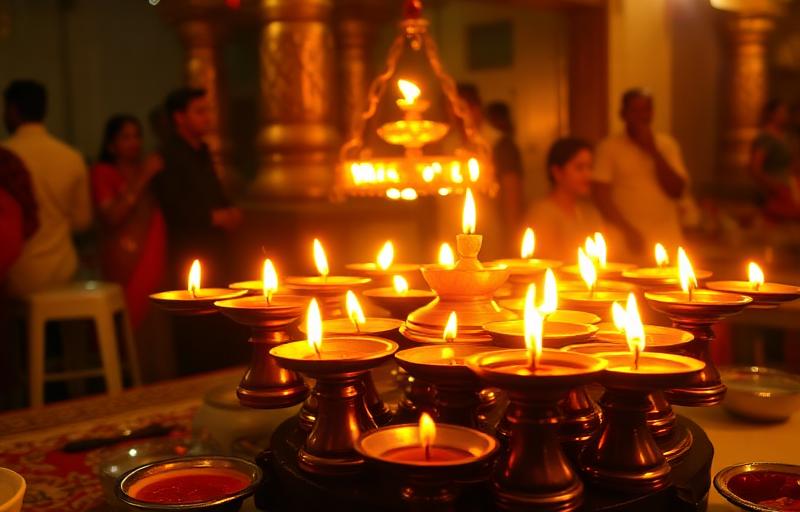
- An image of Goddess Katyayani, often symbolic, is worshipped with flowers, sandalwood paste and a lit lamp
- The devotional mantra chanted is Katyayani Mahamaye Mahayoginyadhishwari, Nandagopa-sutam Devi Patim Me Kuru Te Namah, meaning 'O Katyayani, great illusion, mistress of great yogis, salutations to you, kindly bless me with a life united in devotion'
- The vrat is kept for the full month, with simple satvik food and early rising as its core discipline
- Many devotees today observe it as part of Dhanurmasa worship, offering prayers before sunrise through the month
Regional Flavour
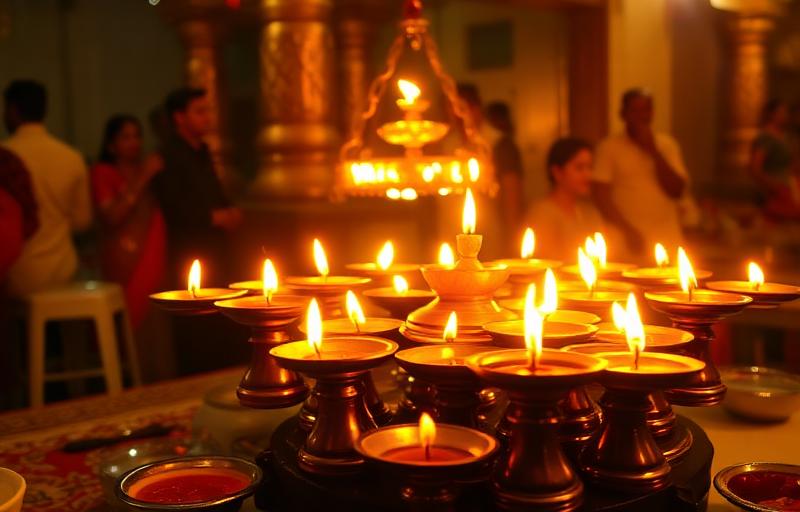
The spirit of the Katyayani vrat is especially cherished in Vrindavan and Mathura, where the Yamuna ghats and Krishna temples see devotees recalling the gopis' devotion through the month of Margashirsha with bhajans and river-side prayer.
Across North India, Margashirsha is also considered an auspicious month for devotional reading and simple vratas, with many devotees choosing this period to deepen personal worship inspired by the gopis' example.
Mantra and Takeaway
The Katyayani mantra remains one of the most tender devotional chants in the tradition, its words a simple, humble request to the Devi for a life joined in devotion rather than a demand for any material gain.
The gopis' vrat teaches that the purest form of devotion asks for nothing but closeness to the divine, and that such faith, sustained through discipline and humility, is itself the greatest blessing. This vrat, like all worship, is an offering of love, not a transaction.
Common Questions From Devotees
What is the Katyayani vrat?+
The Katyayani vrat is a devotional observance described in the Bhagavata Purana, kept by the gopis of Vrindavan through the month of Margashirsha in worship of Goddess Katyayani.
What is the Katyayani mantra?+
The mantra is 'Katyayani Mahamaye Mahayoginyadhishwari, Nandagopa-sutam Devi Patim Me Kuru Te Namah', a humble prayer for a life joined in devotion.
Is the Katyayani vrat observed today?+
Yes, many devotees observe a simplified version of the vrat during Margashirsha, rising before dawn and offering prayers to the Devi as part of Dhanurmasa worship.
About the author
Pandit Mahesh Trivedi · Festival Traditions & Panchang
Pandit Mahesh leads the festival-date and Panchang content on Vandnaa. He cross-references multiple regional panchangs (Drik, Vaishnava, Bengali, Marathi) for every festival date published on the site.
Meet the Vandnaa editorial team →