What Is the Hanuman Ashtottara Shatanamavali
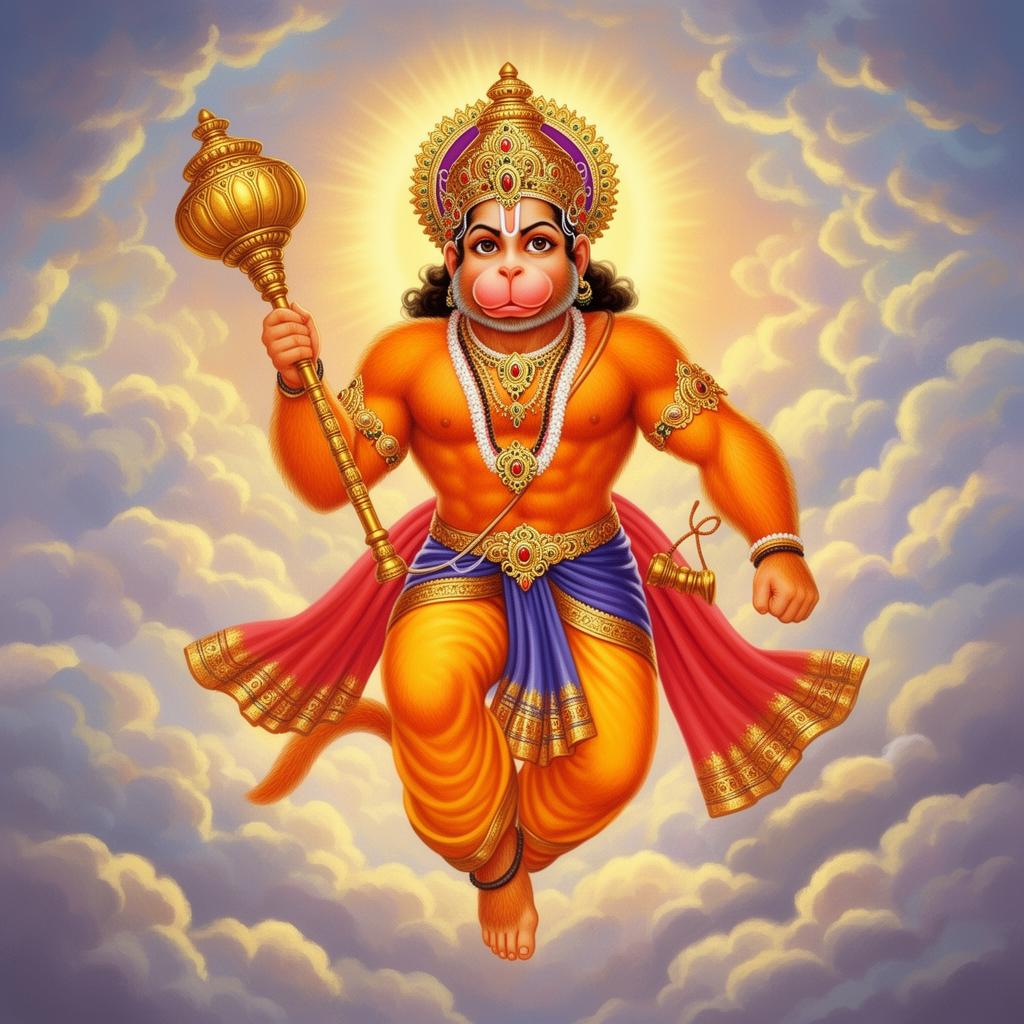
The Hanuman Ashtottara Shatanamavali is a sacred garland of 108 names of Hanuman ji - the son of the wind, the mightiest of devotees and the eternal servant of Shri Ram. Each name is chanted as Om followed by the name and Namah - for example, Om Anjaneyaya Namah. The names retell his entire life: the child who leapt at the sun, the messenger who found Sita, the hero who burned Lanka, the healer who carried the Sanjivani mountain, and the humble bhakta forever seated at Ram's feet. Because Hanuman is Chiranjivi - ever-living - tradition holds that he personally hears his names wherever they are chanted with love. The list below follows the popular recitation tradition; small variations exist across regions.
Names 1-36: The Protector and Breaker of Obstacles
The first group praises Hanuman as the all-powerful protector who breaks every bondage, illusion and hostile force:
1. Anjaneya (अंजनेय) - son of Anjana. 2. Mahavira (महावीर) - the great hero. 3. Hanuman (हनुमान) - the lord of the humble, mighty jaw. 4. Marutatmaja (मारुतात्मज) - son of the wind god. 5. Tattvagyanaprada (तत्त्वज्ञानप्रद) - giver of the knowledge of truth. 6. Sitadevimudrapradayaka (सीतादेवीमुद्राप्रदायक) - who carried the lord's ring to Sita. 7. Ashokavanikachchhedaka (अशोकवनिकाच्छेदक) - destroyer of the Ashoka grove. 8. Sarvamayavibhanjana (सर्वमायाविभंजन) - destroyer of all illusions. 9. Sarvabandhavimokta (सर्वबंधविमोक्ता) - liberator from all bondage. 10. Rakshovidhwansakaraka (रक्षोविध्वंसकारक) - destroyer of demons. 11. Paravidyapariharaka (परविद्यापरिहारक) - who nullifies hostile powers. 12. Parashauryavinashana (परशौर्यविनाशन) - who humbles the enemy's might. 13. Paramantranirakarta (परमंत्रनिराकर्ता) - who repels hostile mantras. 14. Parayantraprabhedaka (परयंत्रप्रभेदक) - who breaks hostile yantras. 15. Sarvagrahavinashi (सर्वग्रहविनाशी) - remover of all afflictions. 16. Bhimasenasahayakrit (भीमसेनसहायकृत) - helper of Bhimasena. 17. Sarvadukhahara (सर्वदुखहर) - remover of all sorrows. 18. Sarvalokachari (सर्वलोकचारी) - who moves through all worlds. 19. Manojava (मनोजव) - swift as thought. 20. Parijatadrumulastha (पारिजातद्रुमूलस्थ) - seated beneath the Parijata tree. 21. Sarvamantraswarupa (सर्वमंत्रस्वरूप) - embodiment of all mantras. 22. Sarvatantraswarupa (सर्वतंत्रस्वरूप) - embodiment of all tantras. 23. Sarvayantratmaka (सर्वयंत्रात्मक) - the soul of all yantras. 24. Kapishwara (कपीश्वर) - lord of the vanaras. 25. Mahakaya (महाकाय) - of mighty form. 26. Sarvarogahara (सर्वरोगहर) - remover of all diseases. 27. Prabhu (प्रभु) - the master. 28. Balasiddhikara (बलसिद्धिकर) - granter of strength and attainment. 29. Sarvavidyasampattipradayaka (सर्वविद्यासंपत्तिप्रदायक) - bestower of all knowledge and wealth. 30. Kapisenanayaka (कपिसेनानायक) - commander of the vanara army. 31. Bhavishyachaturanana (भविष्यचतुरानन) - the Brahma of a future age. 32. Kumarabrahmachari (कुमारब्रह्मचारी) - the eternal celibate youth. 33. Ratnakundaladiptiman (रत्नकुंडलदीप्तिमान) - radiant with jewelled earrings. 34. Lambamanashikhojjvala (लम्बमानशिखोज्ज्वल) - with a long, shining tail held high. 35. Gandharvavidyatattvajna (गंधर्वविद्यातत्त्वज्ञ) - knower of celestial music and arts. 36. Mahabalaparakrama (महाबलपराक्रम) - of immense strength and valour.
Names 37-72: Ramduta and the Hero of Lanka
The second group sings of the leap across the ocean, the search for Sita and the burning of Lanka - the deeds the Sunderkand celebrates:
37. Karagrihavimokta (कारागृहविमोक्ता) - liberator from prisons. 38. Shrinkhalabandhamochaka (शृंखलाबंधमोचक) - breaker of chains. 39. Sagarottaraka (सागरोत्तारक) - who leapt across the ocean. 40. Pragya (प्राज्ञ) - the wise. 41. Ramaduta (रामदूत) - the messenger of Rama. 42. Pratapavan (प्रतापवान) - the glorious. 43. Vanara (वानर) - the divine vanara. 44. Kesarisuta (केसरीसुत) - son of Kesari. 45. Sitashokanivaraka (सीताशोकनिवारक) - dispeller of Sita's sorrow. 46. Anjanagarbhasambhuta (अंजनागर्भसंभूत) - born of Anjana's womb. 47. Balarkasadrishanana (बालार्कसदृशानन) - with a face like the rising sun. 48. Vibhishanapriyakara (विभीषणप्रियकर) - dear friend of Vibhishana. 49. Dashagrivakulantaka (दशग्रीवकुलांतक) - ender of Ravana's clan. 50. Lakshmanapranadata (लक्ष्मणप्राणदाता) - giver of life to Lakshmana. 51. Vajrakaya (वज्रकाय) - with a body hard as the thunderbolt. 52. Mahadyuti (महाद्युति) - of great radiance. 53. Chiranjivi (चिरंजीवी) - the ever-living. 54. Ramabhakta (रामभक्त) - devotee of Rama. 55. Daityakaryavighataka (दैत्यकार्यविघातक) - destroyer of demonic designs. 56. Akshahanta (अक्षहंता) - slayer of Akshakumara. 57. Kanchanabha (कांचनाभ) - of golden hue. 58. Panchavaktra (पंचवक्त्र) - the five-faced. 59. Mahatapas (महातपस्) - of great austerity. 60. Lankinibhanjana (लंकिनीभंजन) - subduer of Lankini. 61. Shrimaan (श्रीमान) - the auspicious and glorious. 62. Simhikapranabhanjana (सिंहिकाप्राणभंजन) - slayer of Simhika. 63. Gandhamadanashailastha (गंधमादनशैलस्थ) - dweller on Gandhamadana. 64. Lankapuravidahaka (लंकापुरविदाहक) - who set Lanka aflame. 65. Sugrivasachiva (सुग्रीवसचिव) - minister of Sugriva. 66. Dhira (धीर) - the steadfast. 67. Shura (शूर) - the valiant. 68. Daityakulantaka (दैत्यकुलांतक) - destroyer of demon clans. 69. Suvarchalarchita (सुवर्चलार्चित) - worshipped with Suvarchala. 70. Teja (तेज) - brilliance itself. 71. Ramachudamanipradayaka (रामचूड़ामणिप्रदायक) - who brought Sita's jewel to Rama. 72. Kamarupi (कामरूपी) - who takes any form at will.
Names 73-108: The Perfect Servant of Shri Ram
The final group reveals Hanuman the sage - scholar, yogi, healer and the foremost servant at the feet of Sita and Ram:
73. Pingalaksha (पिंगलाक्ष) - the tawny-eyed. 74. Vardhimainakapujita (वार्धिमैनाकपूजित) - honoured by Mainaka in the ocean. 75. Kabalikritamartanda (कबलीकृतमार्तंड) - who swallowed the sun as a child. 76. Vijitendriya (विजितेंद्रिय) - conqueror of the senses. 77. Ramasugrivasandhata (रामसुग्रीवसंधाता) - who united Rama and Sugriva. 78. Mahiravanamardana (महिरावणमर्दन) - slayer of Mahiravana. 79. Sphatikabha (स्फटिकाभ) - clear as crystal. 80. Vagadhisha (वागधीश) - lord of speech. 81. Navavyakritapandita (नवव्याकृतपंडित) - master of the nine grammars. 82. Chaturbahu (चतुर्बाहु) - the four-armed. 83. Dinabandhu (दीनबंधु) - friend of the helpless. 84. Mahatma (महात्मा) - the great soul. 85. Bhaktavatsala (भक्तवत्सल) - tender towards devotees. 86. Sanjivananagaharta (संजीवननगाहर्ता) - bearer of the Sanjivani mountain. 87. Shuchi (शुचि) - the pure. 88. Vagmi (वाग्मी) - the eloquent. 89. Dridhavrata (दृढ़व्रत) - firm in vows. 90. Kalanemipramathana (कालनेमिप्रमथन) - destroyer of Kalanemi. 91. Harimarkatamarkata (हरिमर्कटमर्कट) - supreme among the vanaras. 92. Danta (दांत) - the self-controlled. 93. Shanta (शांत) - the serene. 94. Prasannatma (प्रसन्नात्मा) - of ever-cheerful spirit. 95. Shatakanthamadapaha (शतकंठमदापह) - humbler of Shatakantha's pride. 96. Yogi (योगी) - the yogi. 97. Ramakathalola (रामकथालोल) - forever absorbed in Ram katha. 98. Sitanveshanapandita (सीतान्वेषणपंडित) - the expert who found Sita. 99. Vajradamshtra (वज्रदंष्ट्र) - thunderbolt-fanged. 100. Vajranakha (वज्रनख) - thunderbolt-clawed. 101. Rudraviryasamudbhava (रुद्रवीर्यसमुद्भव) - born of Rudra's power. 102. Brahmastravinivaraka (ब्रह्मास्त्रविनिवारक) - who honoured yet overcame Indrajit's Brahmastra. 103. Parthadhvajagrasamvasi (पार्थध्वजाग्रसंवासी) - who dwells atop Arjuna's banner. 104. Sharapanjarabhedaka (शरपंजरभेदक) - breaker of the cage of arrows. 105. Dashabahu (दशबाहु) - the ten-armed. 106. Lokapujya (लोकपूज्य) - revered by all the worlds. 107. Jambavatpritivardhana (जांबवत्प्रीतिवर्धन) - the delight of Jambavan. 108. Sitasameta-Shriramapada-Sevadhurandhara (सीतासमेत श्रीरामपाद सेवाधुरंधर) - the foremost servant at the feet of Shri Ram with Sita.
Japa Vidhi: Tuesdays, Saturdays and How to Chant
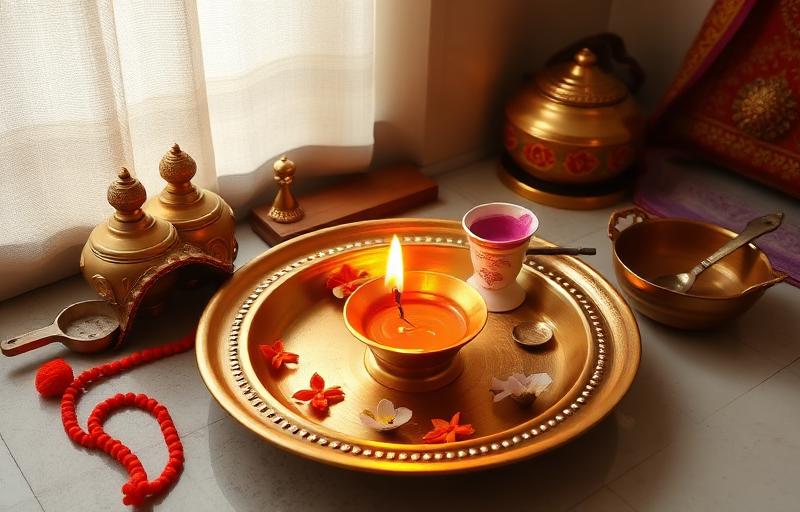
1. Tuesday and Saturday are Hanuman ji's days - the most auspicious for the Ashtottara. Hanuman Jayanti and the month of Kartik are also powerful. 2. Bathe and sit facing a Hanuman image or yantra. Many devotees keep a picture where Hanuman sits at Shri Ram's feet. 3. Offer sindoor and jasmine oil (chola), red flowers, and prasad of boondi or besan laddoo. 4. Light a ghee or jasmine-oil lamp and begin with Om Shri Hanumate Namah three times, after first bowing to Shri Ram. 5. Use a rudraksha or red sandalwood mala of 108 beads, one bead per name. 6. Brahmacharya, simple sattvik food and truthfulness on the day of japa deepen the practice. 7. Close by reciting one verse of the Hanuman Chalisa or simply Jai Shri Ram - nothing pleases Hanuman more than the name of his lord.
Chanting the 108 Names Before Sunderkand Path
Many devotees recite the Hanuman Ashtottara as the opening invocation before Sunderkand path. The logic is beautiful: the Sunderkand is Hanuman's own kand - the chapter of his leap, his search and his triumph - and tradition says he personally comes to listen wherever Ram katha is sung. Chanting his 108 names first is the formal invitation. Recite the namavali, offer him the seat of honour, then begin the path. Done this way, a Sunderkand path on a Tuesday or Saturday becomes a complete Hanuman upasana - name, story and presence woven together.
Benefits of Reciting Hanuman's 108 Names
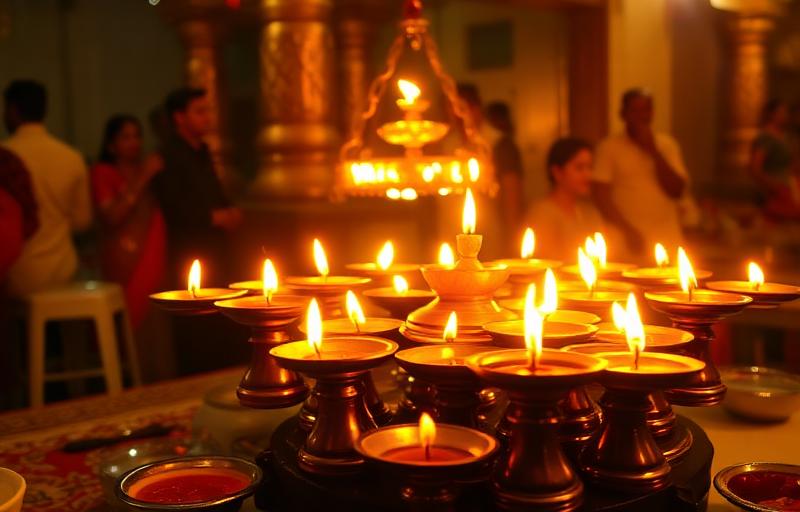
Hanuman's names are chanted above all for courage and freedom from fear - bhoot-pret, nightmares and anxiety are all said to flee from where his name sounds. As Sarvarogahara he heals disease; as Sankat Mochan he removes crises; as Balasiddhikara he grants strength of body and will; as Buddhimataam Varishtha he sharpens the intellect of students. His names protect travellers, steady those facing court cases or workplace battles, and ward off negativity in the home. And because every name of his ultimately points to Ram, the japa quietly grows into Ram bhakti - which is exactly what Hanuman wants for every devotee.
Reader Questions Answered
What is the Hanuman Ashtottara Shatanamavali?+
It is the traditional list of 108 sacred names of Hanuman ji, each chanted as Om followed by the name and Namah. The names retell his life - from Anjaneya, son of Anjana, to the foremost servant at Shri Ram's feet.
Which days are best for Hanuman naam jaap?+
Tuesday and Saturday are Hanuman ji's days and most auspicious for the 108 names. Hanuman Jayanti is the most powerful occasion of the year. Daily japa in the morning is also excellent.
Should I chant the 108 names before Sunderkand path?+
It is a beautiful tradition. The Ashtottara serves as the invocation that invites Hanuman ji to the path, since he is said to personally attend wherever Ram katha is recited. Chant the names, then begin the Sunderkand.
Can women recite the Hanuman 108 names?+
Yes. Naam jaap of Hanuman ji has no restrictions - women across India recite his names, the Chalisa and the Sunderkand. Hanuman is Bhaktavatsala, tender to every devotee who calls him with love.
Which mala is used for Hanuman japa?+
A rudraksha mala or a red sandalwood (lal chandan) mala of 108 beads is traditional. Move one bead per name. If no mala is available, counting on the fingers with full attention is equally accepted.
What are the benefits of chanting Hanuman's 108 names?+
Courage, freedom from fear and nightmares, protection from negativity, good health, strength of will and sharpness of mind. The japa also deepens Ram bhakti, which is Hanuman ji's dearest gift to his devotees.
About the author
Acharya Vinaya Kapoor · M.A. Sanskrit, Mantra & Stotra Studies
Acharya Vinaya holds an M.A. in Sanskrit from Banaras Hindu University and writes the mantra and stotra commentary on Vandnaa. Her focus is on accurate pronunciation, traditional context, and helping modern readers connect with classical texts.
Meet the Vandnaa editorial team →