What Is Hanuman Ashtami?
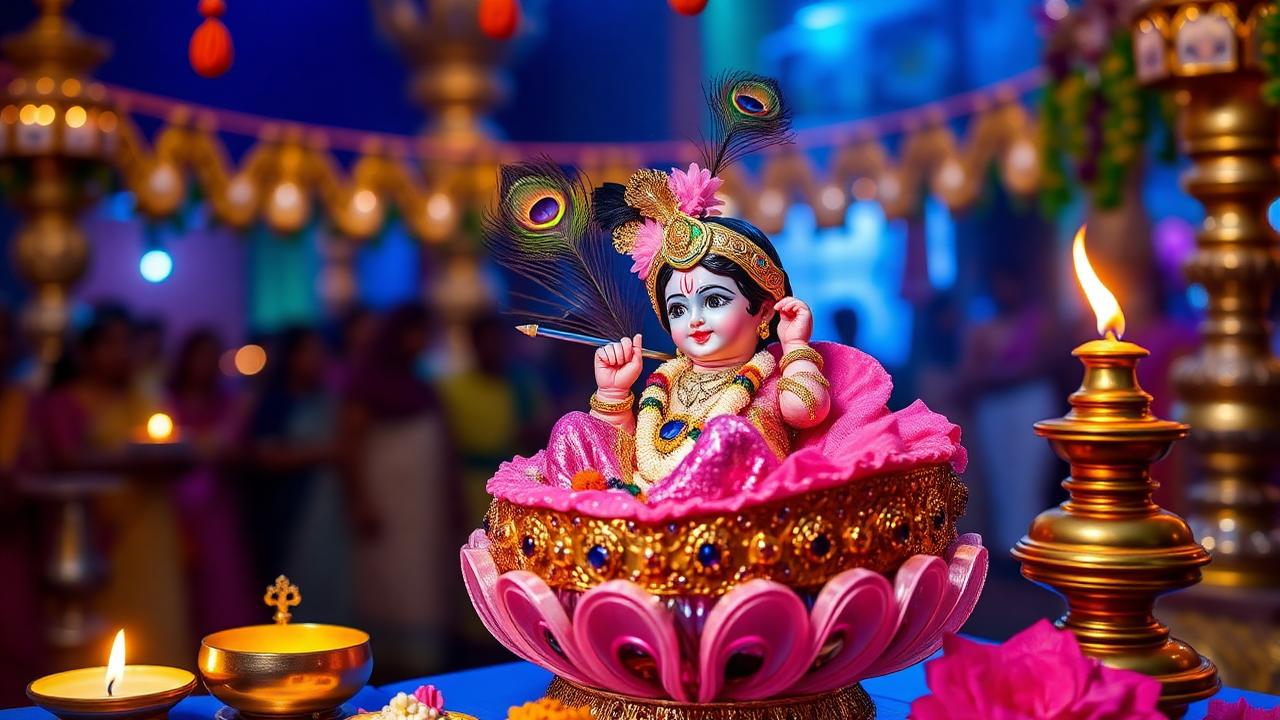
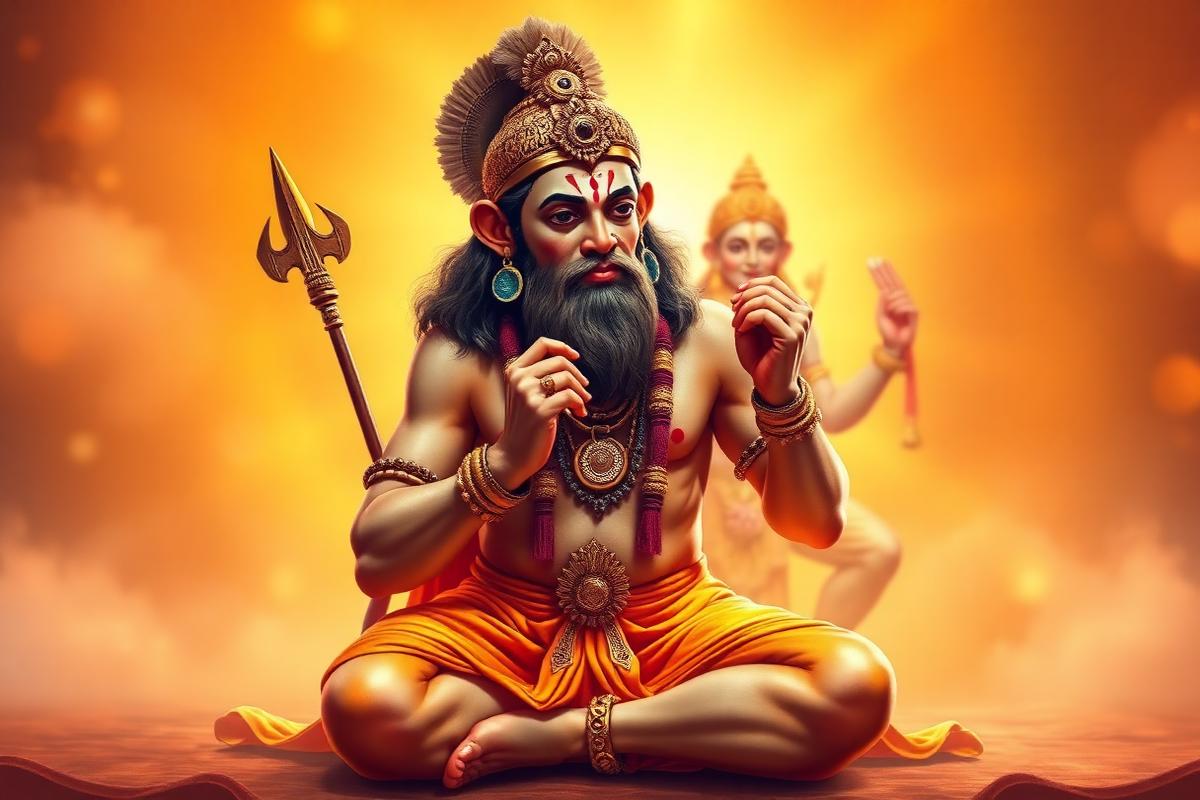
Hanuman Ashtami is a regional festival of Hanuman Ji observed on Paush Krishna Ashtami, the eighth day of the dark fortnight in the Paush month. While much of India celebrates Hanuman Jayanti in Chaitra, the Malwa region - especially Ujjain and many towns of Madhya Pradesh - holds this winter Ashtami as its grandest Hanuman festival. Temples are washed and decorated, Hanuman Ji receives a fresh chola (vermilion coating) and new vastra, akhand Ramayana and Hanuman Chalisa recitations run through the day, and processions wind through old city lanes. Devotees observe a day-long vrat, visit ancient Hanuman temples, and offer boondi, churma, and besan laddoos. The festival celebrates Hanuman Ji as the ever-present protector (sankat mochan) who removes obstacles for those who remember Shri Ram.
Hanuman Ashtami 2026 Date and Tithi
Hanuman Ashtami is observed on Paush Krishna Ashtami, which in 2026 is expected to fall in late December 2026, by the Purnimanta calendar followed in North and Central India. Because Ashtami's start and end times shift with the moon and differ slightly by city, the vrat and the main puja are kept on the day the Ashtami tithi prevails during the morning worship hours in your location. Devotees planning a visit to Ujjain's famous Hanuman temples, or keeping the vrat at home, should confirm the exact date and tithi window on the Vandnaa Panchang closer to the festival. In Ujjain the celebrations often stretch over two days, with the chola offered at dawn and the grand shobha yatra and bhandara (community feast) following the main puja.
The Legend - Why Ujjain Celebrates Hanuman Ashtami
The Malwa tradition of Hanuman Ashtami is centuries old, with roots reaching back to the Maratha era of Ujjain, when the city's rulers and citizens together began honouring Hanuman Ji on Paush Krishna Ashtami with chola, processions, and akhand path. Local katha connects the day to Hanuman Ji's role in the Ramayana: after the great war, when Shri Ram's victory was complete, Hanuman Ji was honoured as the supreme sevak whose strength and humility made the impossible possible. Devotees of Malwa chose this winter Ashtami to thank him for that seva and to seek his protection through the harshest season. Over generations the observance grew into a city-wide festival; in Ujjain, the day is treated with the same devotion as a jayanti, and elders say that prayers offered to Hanuman Ji on this Ashtami never go unanswered.
Hanuman Ashtami vs Hanuman Jayanti - What Is the Difference?

The two observances are often confused, but they are distinct. Hanuman Jayanti marks the birth of Hanuman Ji and is celebrated on Chaitra Purnima (March-April) in most of India, while some southern and other regional traditions keep it on different dates. Hanuman Ashtami, by contrast, is not a birth anniversary; it is a regional festival of gratitude and protection observed on Paush Krishna Ashtami in winter, with its heartland in Ujjain and Madhya Pradesh. The bhava also differs: Jayanti carries the joy of the Lord's appearance, with cradle ceremonies and sunrise puja, while Ashtami centres on seva and sharanagati - offering the chola, renewing one's commitment to Hanuman bhakti, and seeking strength for the months ahead. A devotee may joyfully observe both; they complement rather than compete.
Hanuman Ashtami Puja Vidhi - Chola, Sindoor and Chalisa Path
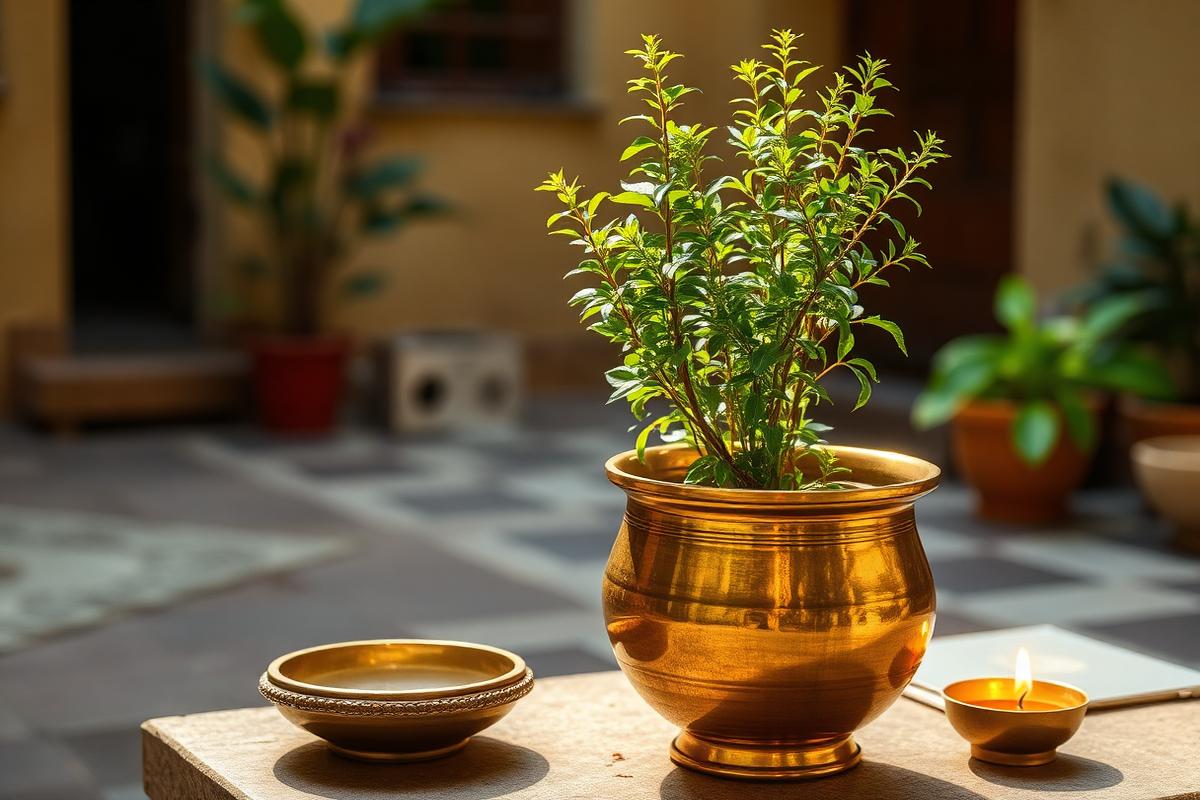
A complete home vidhi for the day: 1. Wake before sunrise, bathe, and wear clean clothes; many devotees keep a vrat taking only fruits and milk until the evening puja. 2. Clean the mandir and place Hanuman Ji's murti or picture facing you; light a chameli (jasmine) oil diya, the oil most dear to him. 3. Offer the chola: mix sindoor with chameli oil and lovingly apply it to the murti (at temples the priest does this), then offer new janeu and red or saffron vastra. 4. Offer flowers, especially red, along with paan, dry fruits, and bhog of boondi, churma, or besan laddoo. 5. Recite the Hanuman Chalisa - once with full attention, or 7 or 11 times as sankalp allows - followed by Bajrang Baan or Sankat Mochan Ashtak if you wish. 6. Perform aarti (Aarti Kije Hanuman Lala Ki), pray for strength and protection, and distribute prasad.
Mantras to Chant and What to Offer
The simplest and most powerful japa for the day is Om Shri Hanumate Namah (Om Shri Hanumate Namah), chanted 108 times on a rudraksha or tulsi mala. Those seeking courage in difficulty traditionally chant Om Ham Hanumate Rudratmakaya Hum Phat with focus, or simply repeat Jai Shri Ram, Jai Hanuman - for nothing pleases Hanuman Ji more than the name of his Lord. The classic Manojavam Marutatulyavegam shloka is recited before beginning any path. For offerings, tradition favours boondi and boondi laddoos, churma (a Malwa favourite), besan laddoos, jaggery with roasted gram (gud-chana), bananas, and paan. Sindoor and chameli oil are the day's signature offerings, recalling the katha in which Hanuman Ji covered his whole body in sindoor for Shri Ram's long life. Offer everything with a simple heart; bhava outweighs abundance.
Benefits of the Hanuman Ashtami Vrat and Puja
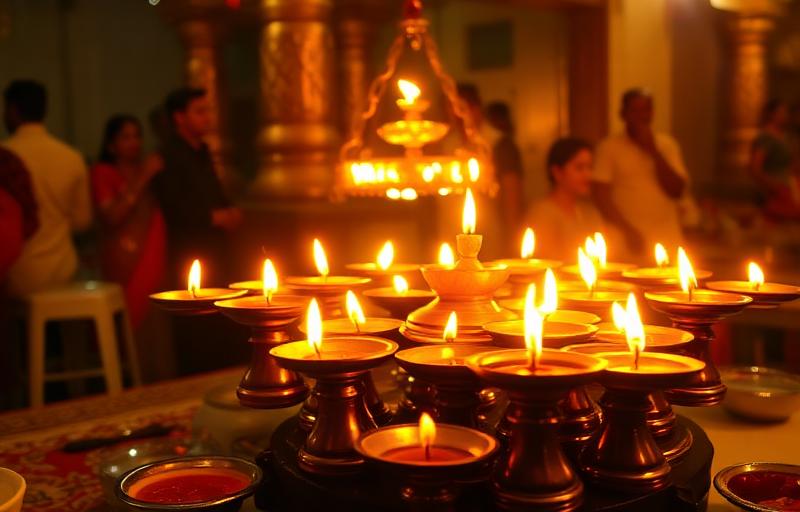
Tradition describes rich fruits for those who keep this day with devotion. Hanuman Ji is sankat mochan, the remover of crises, so the Ashtami vrat is kept especially by those passing through obstacles, fear, court matters, illness in the family, or prolonged struggle - all surrendered at his feet as worries he is trusted to carry. Elders say the day's Chalisa path builds courage, discipline, and freedom from fear, while the chola seva expresses the devotee's wish to serve rather than merely ask. Because Hanuman Ji is the ideal brahmachari and sevak, the vrat is also believed to strengthen self-control and devotion to one's duties. These are devotional assurances handed down through generations, not worldly guarantees - their deepest gift is the steady mind that remembrance of Hanuman Ji brings, in December's cold or any season of life.
Reader Questions Answered
When is Hanuman Ashtami in 2026?+
Hanuman Ashtami 2026 falls on Paush Krishna Ashtami, expected around late December 2026 by the Purnimanta calendar. Since tithi timings vary by city, confirm the exact date and the Ashtami window on the Vandnaa Panchang before keeping the vrat or planning a temple visit.
Is Hanuman Ashtami the same as Hanuman Jayanti?+
No. Hanuman Jayanti marks Hanuman Ji's birth and is widely celebrated on Chaitra Purnima (March-April). Hanuman Ashtami is a separate regional festival of gratitude and protection on Paush Krishna Ashtami in winter, celebrated mainly in Ujjain and Madhya Pradesh. Devotees may observe both.
Why is Hanuman Ashtami specially celebrated in Ujjain?+
The tradition took deep root in Ujjain during the Maratha era, when rulers and citizens began honouring Hanuman Ji on Paush Krishna Ashtami with chola, akhand path, and processions. Over generations it became the Malwa region's grandest Hanuman festival, observed with the devotion of a jayanti.
What is the chola offered to Hanuman Ji?+
The chola is a coating of sindoor mixed with chameli (jasmine) oil applied to Hanuman Ji's murti, along with new vastra and janeu. It recalls the katha in which Hanuman Ji covered his body in sindoor for Shri Ram's long life. Offering or sponsoring a chola is considered a deeply loving seva.
What should be offered as bhog on Hanuman Ashtami?+
Traditional offerings are boondi and boondi laddoos, churma (a Malwa favourite), besan laddoos, jaggery with roasted gram, bananas, and paan. Light a chameli oil diya and offer sindoor as the day's signature seva. Offer with a simple, loving heart; bhava matters more than quantity.
How many times should I recite the Hanuman Chalisa on this day?+
Even one recitation with full attention pleases Hanuman Ji. Many devotees take a sankalp of 7 or 11 paths on Hanuman Ashtami, and temples organise 108 collective recitations. Choose a number you can complete with focus and devotion rather than rushing through a larger count.
About the author
Acharya Vinaya Kapoor · M.A. Sanskrit, Mantra & Stotra Studies
Acharya Vinaya holds an M.A. in Sanskrit from Banaras Hindu University and writes the mantra and stotra commentary on Vandnaa. Her focus is on accurate pronunciation, traditional context, and helping modern readers connect with classical texts.
Meet the Vandnaa editorial team →