What Is Phulera Dooj?
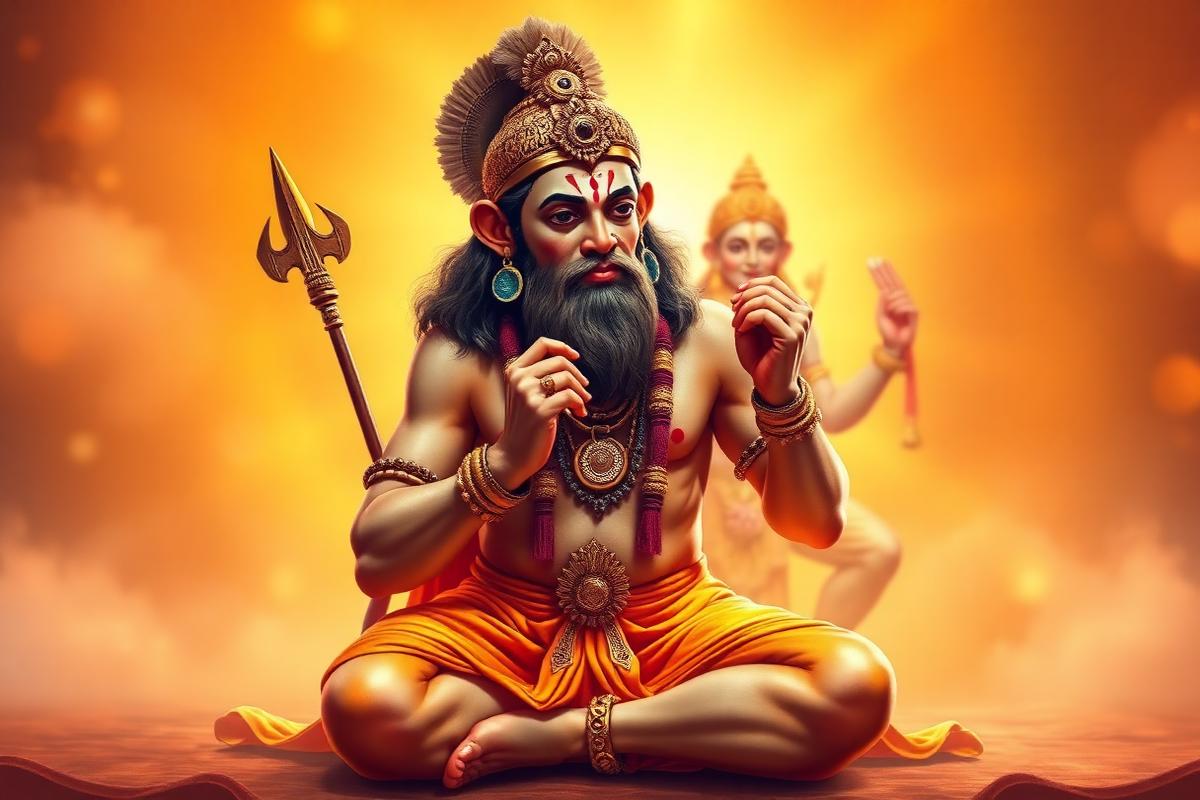
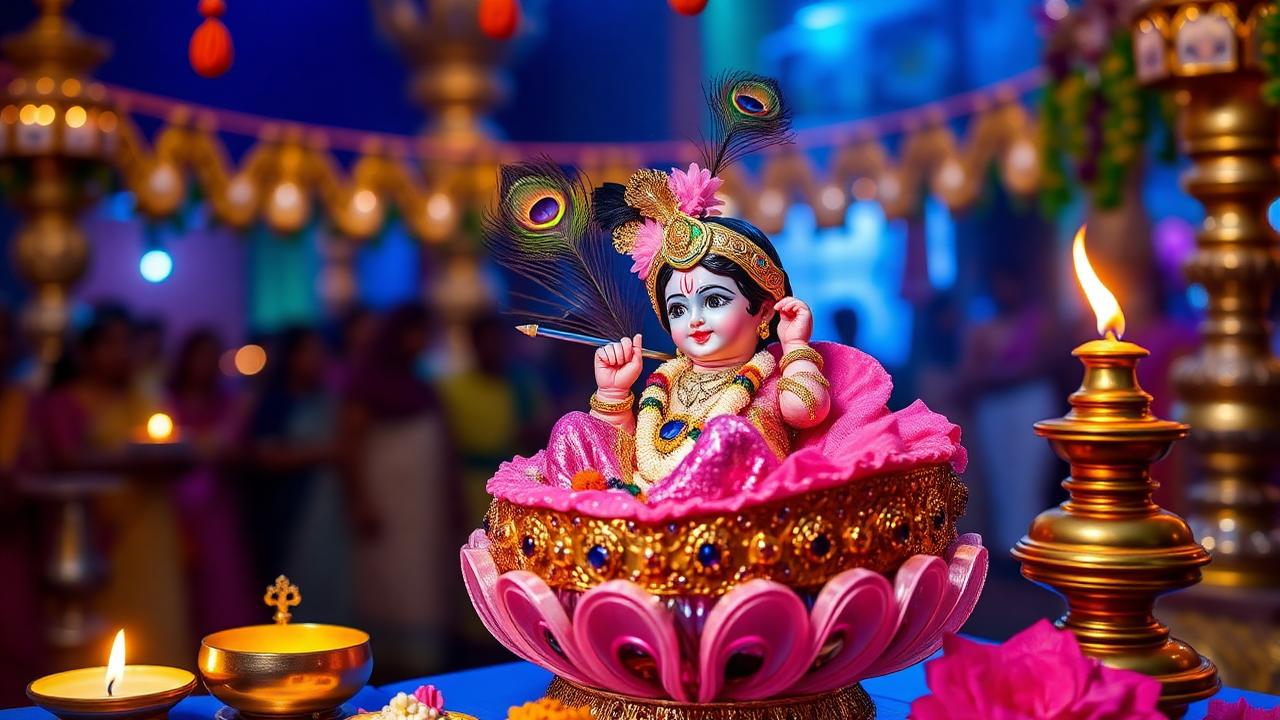
Phulera Dooj (Phulera Dooj or Phool Dooj) is a beloved festival of Radha and Krishna observed on the second day of the bright fortnight of the Phalguna month. The name comes from phool, meaning flower, because tradition says that on this day Shri Krishna himself begins the Holi season by playing with flowers alongside Radha Rani and the gopis of Braj. Devotees see Phulera Dooj as the moment winter's stillness gives way to the playful, colourful mood of Phalgun. Temples in Mathura and Vrindavan dress the deities in vibrant clothes, shower them with flower petals, and place a small piece of coloured cloth or gulal on Krishna's form as a sign that the Lord is now ready for Holi. It is a day of pure joy, love, and devotion.
Phulera Dooj 2027 Date and Tithi
Phulera Dooj is observed on Phalguna Shukla Dwitiya, the second lunar day of the waxing moon in the month of Phalguna. In 2027 this tithi is expected to fall in early March 2027, roughly twelve to thirteen days before Holi. Because Hindu festivals follow the lunar panchang and tithi timings can shift by region and sunrise, devotees should always confirm the exact date and tithi window before planning a puja or a wedding. You can check the precise Phalguna Shukla Dwitiya timings for your city on the Vandnaa Panchang, which lists tithi start and end times each day. Unlike many festivals, Phulera Dooj has no fasting rule attached by most traditions; it is celebrated with song, flowers, and seva rather than austerity, making it easy for every family member to join.
Why Phulera Dooj Is an Abujh Day - Free of Every Dosha
In devotional tradition, Phulera Dooj is honoured as an abujh muhurat (abujh means one that needs no asking). Elders teach that every moment of this day is naturally auspicious, free of any dosha or blemish, because Radha and Krishna's divine play sanctifies the entire tithi. For this reason, families who could not fix a wedding date elsewhere in the year traditionally choose Phulera Dooj with full confidence; no separate muhurat needs to be calculated. The same belief extends to griha pravesh, naming ceremonies, starting a new business, buying a home, or beginning any noble work. This is a matter of faith and tradition handed down through generations of Braj devotion, not a calculation. The deeper teaching is beautiful: a day soaked in divine love can carry no flaw, so whatever begins in that love begins well.
Phool Holi in Braj - Mathura, Vrindavan and the Temples
Nowhere is Phulera Dooj as alive as in Braj, the sacred land of Krishna's childhood. From this day, the famous forty-day Holi mood of Braj truly blossoms. At Vrindavan's Banke Bihari temple, priests shower devotees with fistfuls of marigold, rose, and jasmine petals in the celebrated phool holi (flower Holi). In Mathura's Dwarkadhish temple and at Radha Rani's Barsana, deities are adorned with flower garlands and light gulal, and the courtyards echo with Phalgun songs called hori and rasiya. Devotees believe Krishna himself joins the play unseen, just as he once did with the gopis on the banks of the Yamuna. Many pilgrims plan their Braj yatra around Phulera Dooj precisely because the crowds are gentler than Holi week, yet the devotional sweetness of the festival is at its peak.
How to Celebrate Phulera Dooj at Home - Simple Puja Vidhi
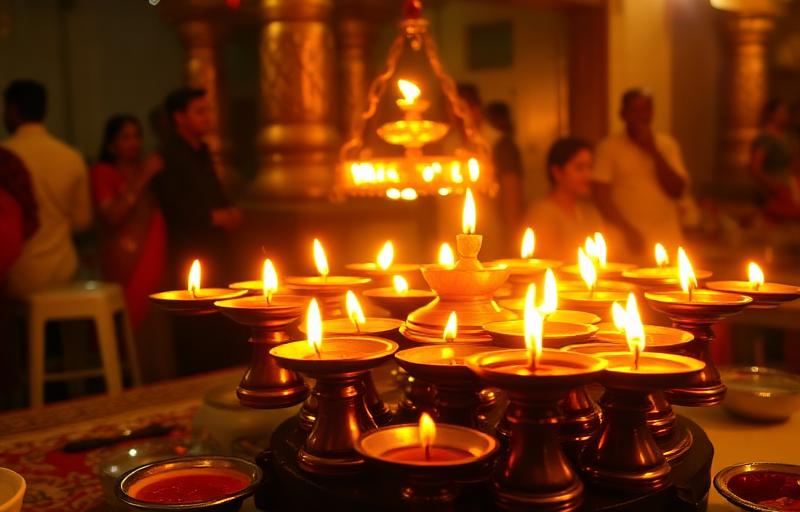
You do not need to travel to Braj to please Radha-Krishna; a loving home puja is equally dear to them. A simple vidhi: 1. Bathe in the morning and clean the mandir; place a picture or murti of Radha-Krishna on a clean chowki with a yellow or pink cloth. 2. Light a ghee diya and incense, and offer fresh seasonal flowers - marigold, rose, or any garden blossoms. 3. Gently shower flower petals over the deities, recreating the phool holi of Braj, and place a pinch of gulal at their feet. 4. Offer bhog of white makhan-mishri, kheer, or poha, foods loved in Braj tradition. 5. Sing a Krishna bhajan or hori song, chant Shri Radha-Krishnabhyam Namah, and perform aarti. 6. Conclude by distributing the prasad and petals among family members with love.
Phulera Dooj and the Holi Season - The First Splash of Colour
Phulera Dooj is lovingly called the gateway to Holi. From Vasant Panchami the mood of Phalgun begins to stir, but it is on Phulera Dooj that colour formally enters Krishna's own courtyard. In many Braj temples, a small gulal potli (pouch of colour) is tied near the deity from this day onward, and the daily shringar slowly turns more playful until Holika Dahan and Holi on Phalguna Purnima. For householders, the day is a gentle reminder to begin Holi preparations with devotion first: cleaning the home mandir, planning the family's Holika Dahan, and setting aside natural, flower-based colours. Where Holi is the thunder of celebration, Phulera Dooj is its first soft raindrop - intimate, fragrant, and centred entirely on the love of Radha and Krishna rather than outward revelry.
Mantras and Bhajans for Phulera Dooj
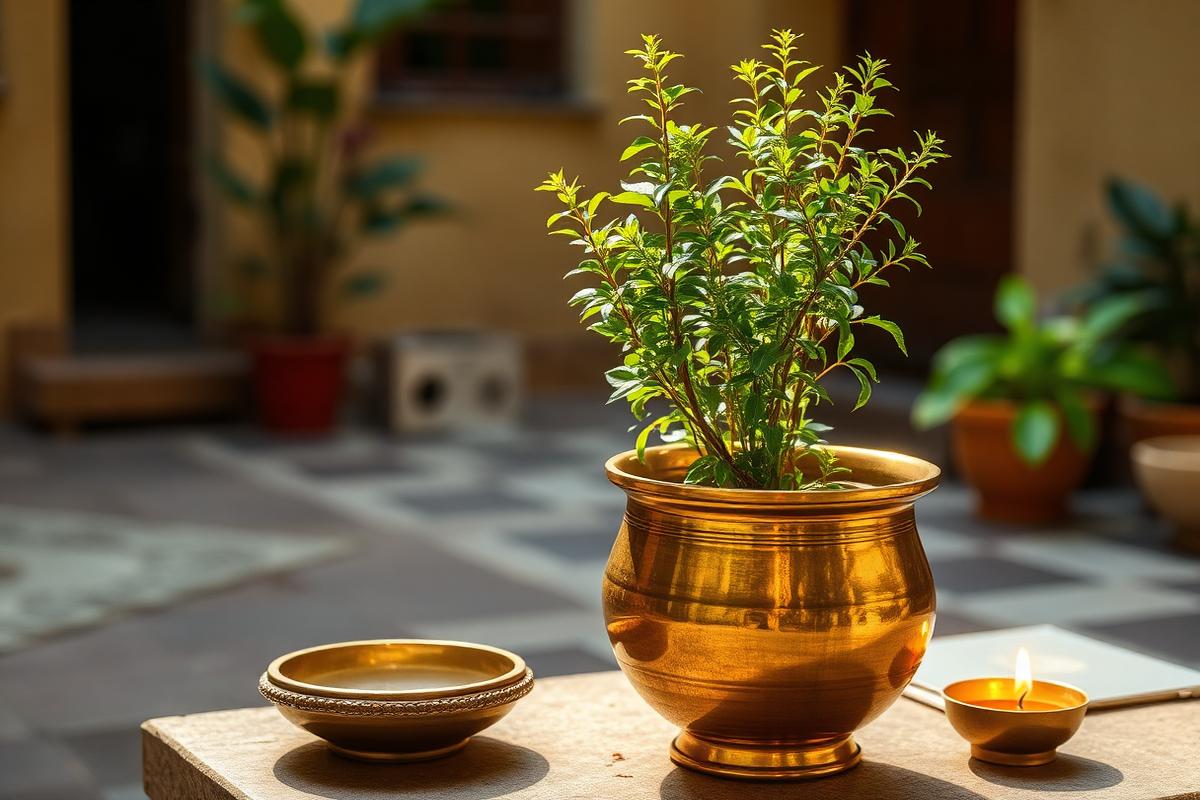
Keep the japa simple and sweet on this day. The most cherished names are Radhe Radhe and the maha-mantra Hare Krishna Hare Krishna, Krishna Krishna Hare Hare, Hare Rama Hare Rama, Rama Rama Hare Hare. You may also chant Om Kleem Krishnaya Namah (Om Kleem Krishnaya Namah) 108 times with a tulsi mala, or the gentle couple-mantra Shri Radha-Krishnabhyam Namah. Traditional hori bhajans such as Aaj Biraj Mein Holi Re Rasiya fill the home with Braj's mood. While chanting, offer one flower petal to the deities with each round if you wish - this pushpa-japa is a Braj custom that turns the mantra itself into a flower offering. End with the Madhurashtakam (Adharam Madhuram), which describes the all-sweet form of Krishna, the perfect closing note for a festival of flowers.
Reader Questions Answered
When is Phulera Dooj in 2027?+
Phulera Dooj 2027 falls on Phalguna Shukla Dwitiya, expected in early March 2027, about twelve to thirteen days before Holi. Since tithi timings vary by city and sunrise, confirm the exact date and tithi window on the Vandnaa Panchang before planning your puja.
Why is Phulera Dooj considered an abujh muhurat?+
Tradition holds that Radha-Krishna's divine flower play sanctifies the entire tithi, leaving it free of every dosha. Hence every moment of Phulera Dooj is treated as auspicious without calculating a separate muhurat. This is a devotional belief passed down through generations, especially strong in Braj.
Can weddings be held on Phulera Dooj without a muhurat?+
Yes, by tradition Phulera Dooj is an abujh day, so families commonly hold weddings, engagements, griha pravesh, and other auspicious beginnings on it without seeking a separate muhurat. Many community wedding events in North India are organised on this very day for the same reason.
Is there a fast on Phulera Dooj?+
Most traditions do not prescribe a fast on Phulera Dooj. It is a festival of joy celebrated with flowers, gulal, bhajans, and bhog like makhan-mishri and kheer. Some devotees voluntarily keep a light sattvik diet and spend the day in Radha-Krishna smaran, but fasting is not required.
What is phool holi and where is it played?+
Phool holi is Holi played with flower petals instead of colours. It begins around Phulera Dooj in Braj, most famously at the Banke Bihari temple in Vrindavan, where priests shower devotees with marigold, rose, and jasmine petals while hori and rasiya songs are sung in the courtyard.
How can I celebrate Phulera Dooj at home if I cannot visit Braj?+
Place Radha-Krishna's image on a clean chowki, light a ghee diya, shower flower petals over the deities, offer a pinch of gulal at their feet, and present bhog of makhan-mishri or kheer. Chant Radhe Radhe or the Hare Krishna maha-mantra, sing a hori bhajan, and do aarti with the family.
About the author
Pandit Mahesh Trivedi · Festival Traditions & Panchang
Pandit Mahesh leads the festival-date and Panchang content on Vandnaa. He cross-references multiple regional panchangs (Drik, Vaishnava, Bengali, Marathi) for every festival date published on the site.
Meet the Vandnaa editorial team →