What Is Tulsi Pujan Diwas?
Tulsi Pujan Diwas is observed every year on 25 December as a day dedicated entirely to Tulsi Mata, the sacred basil plant revered in Hindu homes for thousands of years. Unlike tithi-based festivals, this observance follows the fixed solar calendar date, so it falls on 25 December 2026 as well. On this day devotees clean and decorate the tulsi chaura (the platform where tulsi grows), light a ghee diya beside the plant, offer water, kumkum, and flowers, perform parikrama, and chant tulsi mantras. Families also take a sankalp to care for the plant through the winter and to begin or deepen daily tulsi seva. The day is a loving reminder that in Hindu tradition, divinity is honoured not only in temples but in the living plant standing quietly in the courtyard.
Why Was Tulsi Pujan Diwas Started?
Tulsi Pujan Diwas began in 2014, when saints and devotional organisations in India called upon families to dedicate 25 December to Indian culture and the worship of Tulsi Mata. The intention was simple and positive: to give children and young people a joyful, rooted way to celebrate the winter season through their own heritage - by honouring a plant that the Padma Purana and Skanda Purana glorify as supremely dear to Bhagwan Vishnu. Over the years the observance has spread organically across homes, schools, and ashrams. Many families now distribute tulsi saplings as gifts, organise collective tulsi puja, and read the katha of Vrinda Devi on this day. At its heart, Tulsi Pujan Diwas is not a reaction to anything; it is an invitation to remember that reverence for nature is woven into sanatan tradition.
Significance of Tulsi Mata in Hindu Tradition
Tulsi is not seen as an ordinary plant but as a goddess - Tulsi Mata, an earthly form of Vrinda Devi, the supreme devotee of Bhagwan Vishnu. The Puranas declare that no worship of Vishnu or Krishna is complete without a tulsi leaf, which is why tulsi dal crowns every bhog offered to Thakurji. The plant marks a home as a place of dharma; elders say that where tulsi is watered daily, Lakshmi resides and negativity does not linger. Tulsi's marriage to Bhagwan Vishnu in the form of Shaligram is celebrated every year as Tulsi Vivah after Devutthana Ekadashi. Tulsi mala is used for japa of Vishnu and Krishna mantras, and even a single leaf placed in charanamrit sanctifies it. In life and beyond, tradition holds tulsi to be a giver of bhakti, purity, and moksha.
Tulsi Pujan Diwas Puja Vidhi - Step by Step
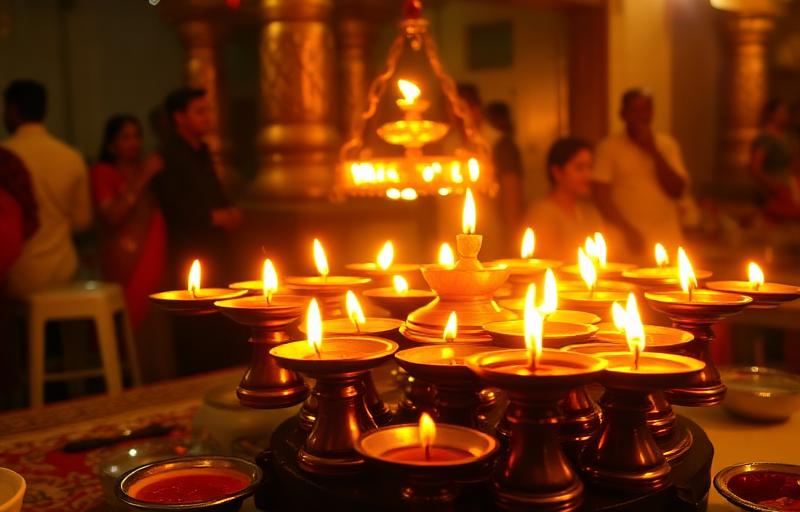
The puja is simple enough for any household: 1. Bathe in the morning and clean the tulsi chaura; you may decorate it with rangoli, kumkum, and a small red chunari for Tulsi Mata. 2. Offer fresh water at the roots (traditionally avoided on Ekadashi and, in many families, on Sundays - if 25 December falls on such a day, offer dry worship instead). 3. Apply haldi-kumkum to the chaura and offer flowers, akshat, and a piece of sugarcane or seasonal fruit. 4. Light a ghee diya and incense beside the plant in the evening, the most cherished moment of the day. 5. Perform parikrama of the tulsi plant 3, 7, or 11 times while chanting her name. 6. Recite the Tulsi Stuti or Tulsi mantra and conclude with aarti and prasad distribution.
Mantras and Tulsi Stuti to Chant
The most beloved verse for this day is the Tulsi Stuti: Mahaprasada Janani Sarva Saubhagyavardhini, Adhi Vyadhi Hara Nityam Tulasi Tvam Namostute (Mahaprasada janani, sarva saubhagya-vardhini, adhi-vyadhi hara nityam, Tulasi tvam namostute) - "O Tulsi, mother of mahaprasad, bestower of all good fortune, remover of afflictions, I bow to you daily." You may also chant the simple seed of devotion, Om Tulsyai Namah, 11, 21, or 108 times during parikrama. Those who wish to go deeper recite the Tulsi Namashtak, the eight names of Tulsi - Vrinda, Vrindavani, Vishwapujita, Vishwapavani, Pushpasara, Nandini, Tulsi, and Krishnajivani - which tradition says brings the fruit of performing Tulsi Vivah. While chanting, keep the mind on Tulsi Mata as a living goddess, not merely reciting words.
Benefits of Daily Tulsi Seva
Daily tulsi seva - offering water at sunrise, lighting a diya at dusk, and a short parikrama - is one of the simplest spiritual anchors a household can keep. Tradition says it draws the grace of Vishnu and Lakshmi into the home, keeps the family atmosphere sattvik, and steadies the mind of the one who serves. Because the seva takes barely five minutes, it becomes a daily appointment with the divine that even the busiest person can honour, slowly building the habit of remembrance (smaran). Ayurveda has long valued tulsi leaves in home remedies for everyday wellness, which tradition reads as Tulsi Mata's motherly care; treat this as heritage wisdom and consult a doctor for any health concern. Many devotees find that the plant becomes a quiet companion - a green murti that responds to love with fragrance and fresh leaves.
Winter Care of the Tulsi Plant as Seva
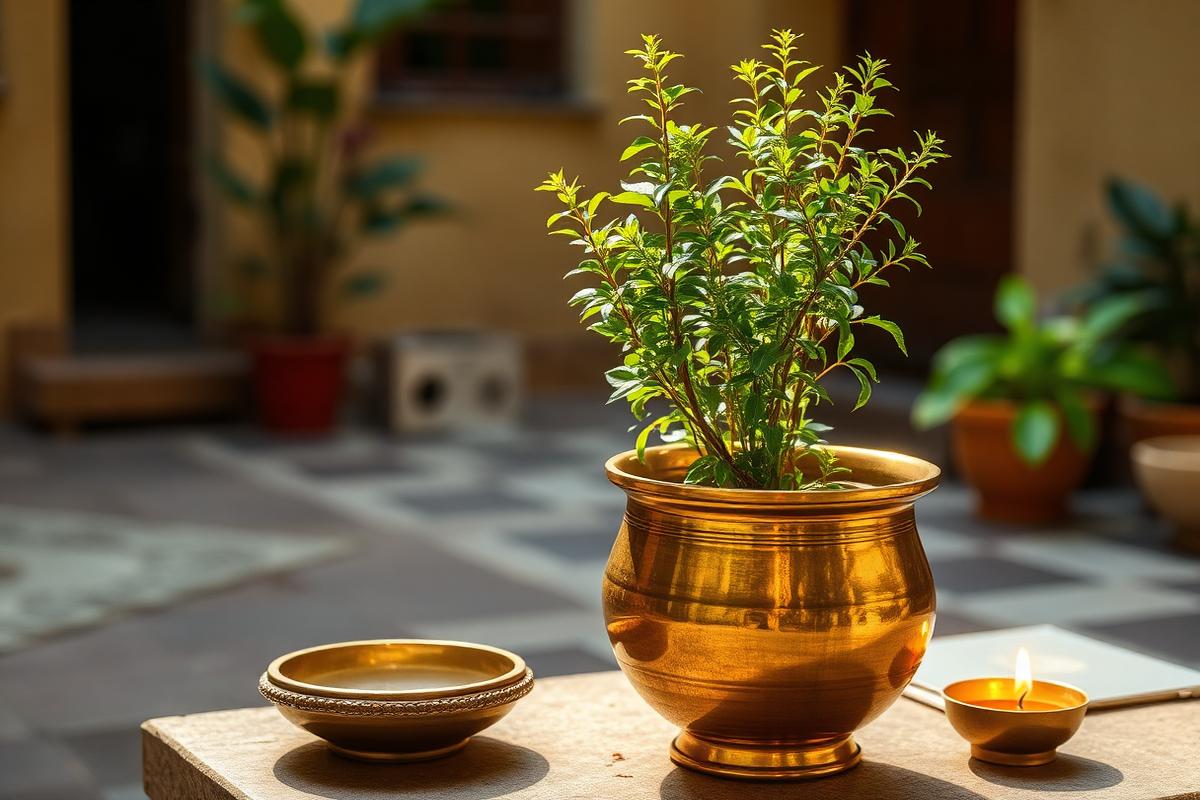
Tulsi Pujan Diwas falls in deep winter, when the plant is at its most fragile - so caring for it is itself the truest puja. A few seva practices: 1. Move the pot to a spot that receives morning sun and is shielded from frost and cold night winds; near a south or east wall works well. 2. Water sparingly, only when the topsoil feels dry; overwatering in winter harms the roots more than the cold does. 3. On very cold nights, cover the plant with a light cotton cloth or the traditional red chunari, removing it after sunrise. 4. Avoid plucking leaves in the evening or excessively in winter; pluck gently, with a prayer, and never on days your family tradition restricts. 5. Loosen the soil occasionally and add a little compost, treating the act as mitti seva for Tulsi Mata.
Common Questions From Devotees
When is Tulsi Pujan Diwas in 2026?+
Tulsi Pujan Diwas is observed on a fixed date, 25 December, every year. So in 2026 it falls on Friday, 25 December 2026. Unlike tithi-based festivals, no panchang confirmation is needed for the date, though you can check the day's tithi and shubh timings on the Vandnaa Panchang.
Who started Tulsi Pujan Diwas and when?+
Tulsi Pujan Diwas began in 2014, when saints and devotional organisations in India urged families to dedicate 25 December to the worship of Tulsi Mata and the celebration of Indian culture. It has since spread to homes, schools, and ashrams across the country as a positive cultural observance.
Which mantra should I chant on Tulsi Pujan Diwas?+
Chant the Tulsi Stuti - Mahaprasada Janani Sarva Saubhagyavardhini, Adhi Vyadhi Hara Nityam Tulasi Tvam Namostute - or the simple mantra Om Tulsyai Namah 11, 21, or 108 times during parikrama. Reciting the Tulsi Namashtak, the eight names of Tulsi, is also considered highly meritorious.
Can water be offered to tulsi every day in winter?+
Offer water only when the topsoil feels dry, because overwatering in winter harms the roots. Tradition also avoids offering water on Ekadashi and, in many families, on Sundays, as Tulsi Mata is believed to observe a fast for Vishnu on those days. On such days, do dry worship with diya and parikrama.
Why is a diya lit near the tulsi plant in the evening?+
Lighting a ghee diya at the tulsi chaura at dusk is an age-old daily ritual. Tradition says the lamp honours Tulsi Mata and Bhagwan Vishnu together, invites Lakshmi's grace into the home, and marks the transition from day to evening with remembrance of the divine at the heart of the household.
What is the difference between Tulsi Pujan Diwas and Tulsi Vivah?+
Tulsi Vivah is the ceremonial marriage of Tulsi Mata with Bhagwan Vishnu as Shaligram, held on the tithi after Devutthana Ekadashi in Kartik month. Tulsi Pujan Diwas is a modern fixed-date observance on 25 December focused on honouring and serving the tulsi plant. Both celebrate the same goddess in different ways.
About the author
Acharya Vinaya Kapoor · M.A. Sanskrit, Mantra & Stotra Studies
Acharya Vinaya holds an M.A. in Sanskrit from Banaras Hindu University and writes the mantra and stotra commentary on Vandnaa. Her focus is on accurate pronunciation, traditional context, and helping modern readers connect with classical texts.
Meet the Vandnaa editorial team →