Best Direction for Home Temple
Best direction (in order):
1. North-East corner (Ishaan Kona) - IDEAL
- Most auspicious direction in Vastu
- Sun rises here, infusing morning light
- 'Ishaan' literally means 'lord' (Shiva's direction)
- All puja energy aligns here
- If you have one option, choose this
2. East - Excellent
- Surya direction
- Morning prayers face the rising sun
- Best for those who can't have NE corner
3. North - Very Good
- Kuber direction (wealth)
- Good for prosperity-focused households
Avoid:
- ❌ South - Yama's direction (death-related)
- ❌ South-West (Nairutya) - heavy energy
- ❌ South-East (Agneya) - fire/kitchen direction
- ❌ West - Varuna's direction; less ideal for puja
Person while praying should face:
- East - most powerful (Surya direction)
- North - second-best (Kuber direction)
- Never face South or West while praying
Other Vastu rules:
1. Don't place under stairs.
- Footsteps trample energy
2. Don't place against bathroom wall.
- Bathroom is impure energy zone
- Mandir wall should be 'clean' wall
3. Don't place against bedroom wall (especially behind bed).
- Sleep energy and prayer energy clash
- If unavoidable, partition with curtain
4. Ground floor preferred.
- If you have multi-floor home, ground floor mandir
- Don't keep mandir in basement
5. Separate room ideal.
- Dedicated puja room is best
- If not possible, dedicated corner with proper screening
6. Always elevated.
- Never on floor directly
- Use chowki, table, or built-in shelf
- Minimum 1 foot above ground
For apartments:
- Most Indian apartments don't have separate puja room
- Solution: place mandir in NE corner of living room or kitchen
- Use a dedicated wall-mounted shelf or floor cabinet
- Cover with curtain when not in use
📿 The Vandnaa App's Vastu module has compass-based direction detection for any home.
Essential Items for Home Temple
Foundation (one-time):
- Wooden chowki/cabinet (3-4 ft height)
- Yellow/red cloth covering
- Mat or carpet on floor
- Curtain (for covering when not in use)
Deity Murtis/Photos:
Maximum recommended: 3-5 main deities + 1 family kuldevi/devata
Core set:
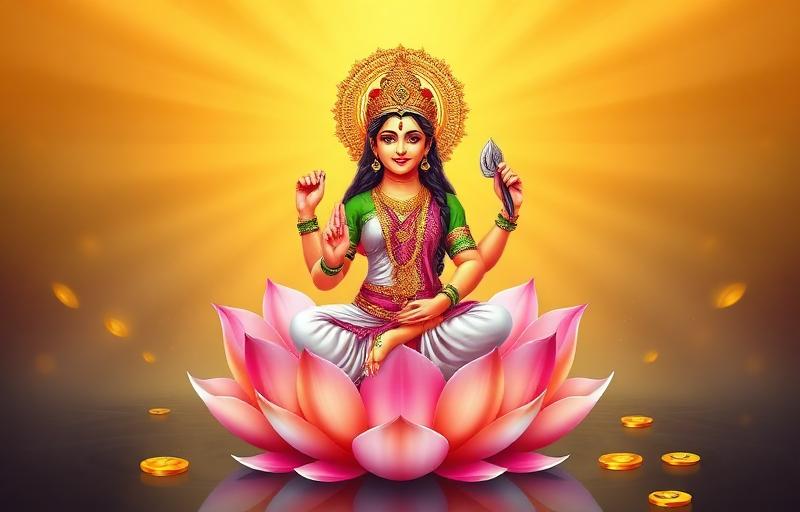
- Ganesh (always - for obstacle removal)
- Lakshmi-Vishnu pair (or Krishna)
- Shiva (or Devi)
- Hanuman (popular addition)
- Family kuldevi/kuldevta (your family's traditional deity)
Rules:
- Murti size: 6-12 inches max for home
- Don't have multiple Ganesh murtis
- Don't have broken/cracked murtis
- Replace daily (use daily) ones every 5-7 years
Photos can substitute murtis - equally valid.
Daily aarti items (already covered in 'How to Do Aarti' post):
- Aarti thaali, diya, camphor, bell, flowers, akshat, bhog
Storage items:
- Box for incense sticks
- Box for camphor
- Container for akshat
- Small lota for water
- Container for bhog
Sacred texts (optional but recommended):
- Bhagavad Gita
- Hanuman Chalisa book
- Ramayan abridged
- Family-tradition specific scriptures
Power amplifiers (optional):
- Shri Yantra (NE corner placement)
- Tortoise figurine (north for wealth)
- Bell of varying sizes
- Conch shell (shankh)
- Rudraksha mala on display
- Tulsi plant nearby (in pot)
What NOT to keep:
- Photos of deceased ancestors (small allowed in separate corner; don't make primary)
- Religious books from other faiths in same shelf
- Money, jewelry (different purposes)
- Empty bottles/containers
- Weapons (even decorative)
- Photos of celebrities, politicians
Total cost:
- Basic setup: ₹3,000-5,000
- Mid-range: ₹10,000-20,000
- Elaborate: ₹50,000+
Modern apartment options:
- Wall-mounted aarti unit (₹2,000-5,000)
- Compact pre-set mandir with built-in shelves
- Discreet partition with sliding doors
Murti material preference (in order): 1. Stone/marble (most durable) 2. Brass/copper 3. Silver (small accents) 4. Wood 5. Clay 6. Resin (acceptable but not ideal) 7. Plastic (avoid for primary deities)
Deity Placement Rules
Deity hierarchy in mandir:
Center (highest): Most important family deity (kuldevta/Ishtadevata) Left of center: Female deities/consorts Right of center: Male deities
Specific placement rules:
1. Vishnu/Krishna/Ram with Lakshmi:
- Vishnu in center
- Lakshmi on his left
- Or: Vishnu and Lakshmi together (one murti)
2. Shiva-Parvati setup:
- Shivling slightly in front
- Parvati to his left
- Ganesh + Kartikeya can be present (smaller)
3. Lakshmi-Ganesh pair (most common):
- Ganesh on right
- Lakshmi on left
- They face EAST (devotee facing them faces WEST - okay for this combination)
4. Hanuman:
- Best alone or with Ram-Sita-Lakshman
- Avoid placing Hanuman with Devi forms
5. Devi (Durga, Kali):
- Separate area or own shelf
- Don't mix with multiple male deities
6. Family kuldevta:
- Always center if it's your family's primary deity
- Other deities take subsidiary positions
Don'ts:
- ❌ Don't keep multiple Ganesh murtis (1 maximum)
- ❌ Don't keep Devi facing south
- ❌ Don't put Hanuman behind Ram (always beside or in front)
- ❌ Don't keep deities on top of one another (separate shelves OK if single deity per shelf)
- ❌ Don't keep deities lower than your seated head when worshipping
For multi-deity setups: Use multiple shelves:
- Top shelf: Ishtadevata (chosen deity)
- Middle shelf: Family deities
- Bottom shelf: Saints, gurus
Cosmic principle: The arrangement reflects cosmic hierarchy. Higher deity in higher position. But all deities are essentially same divine in different forms.
Common modern setups:
'Five Devata' (Pancha Devata) - most common Hindu home: 1. Ganesh (left) 2. Vishnu/Krishna (center-right) 3. Devi/Lakshmi (center-left) 4. Surya (small, separate) 5. Shiva (lingam form, separate)
This covers all major energies.
Simpler 'Trinity' setup:
- Ganesh + Lakshmi + Krishna/Vishnu
Family-specific:
- If family follows Krishna tradition: Krishna-Radha + Ganesh + Hanuman
- If Shaiva: Shivling + Parvati + Ganesh + Kartikeya
- If Devi-focused: Durga + Lakshmi + Saraswati + Ganesh
Do's, Don'ts & Maintenance
DO's:
1. Light a daily diya - even on busiest days, 1 minute of diya
2. Clean weekly - dust murtis, change cloth, replace flowers
3. Bathe murtis monthly - gentle wash with milk + water + tulsi
4. Replace flowers daily - never use yesterday's flowers
5. Maintain cleanliness around mandir - no clutter, no dirty items
6. Keep deities facing east or north - devotee faces them from south or west
7. Add fresh agarbatti daily - keeps energy alive
8. Display sacred items respectfully - bell, conch, mala
9. Have separate cloth for deity wiping - don't use general cloth
10. Light camphor at sandhya - twice daily if possible
DON'Ts:
1. Don't sleep with feet pointing toward mandir. Most fundamental rule.
2. Don't have mandir directly facing toilet.
3. Don't keep dust accumulated.
4. Don't keep wilted flowers.
5. Don't enter puja area in unclean state (after eating/sleeping/bathroom).
6. Don't argue or fight in front of mandir.
7. Don't keep medicines, money, jewelry in mandir.
8. Don't keep mandir in main bedroom.
9. Don't use mandir as storage.
10. Don't worship in dirty clothes.
Daily maintenance routine (5 minutes):
- Wipe murtis with clean cloth
- Replace yesterday's flowers
- Light fresh agarbatti
- Light diya
- Sprinkle Ganga jal lightly (if available)
- Spend 30 seconds in silence
Weekly deep clean (15 minutes):
- Remove all items from chowki
- Wipe chowki thoroughly
- Wash cloth covering (replace)
- Clean murtis with damp cloth
- Refresh akshat and water
- Replace candles/diyas if old
Monthly intensive (30 minutes):
- Bathe brass/copper murtis with mild soap + water
- Polish if discolored
- Replace any damaged items
- Clean shelves below/around
- Renew tilak material
Yearly (1 hour):
- Major rearrangement if needed
- Replace cloth coverings completely
- Donate old (damaged) items at temple
- Fresh paint/varnish if needed
- Update photos if any have faded
Spiritual energy maintenance:
1. Daily aarti - primary energy generator
2. Fresh fruit/sweet offering daily - even small piece
3. Spiritual texts open in mandir - Bhagavad Gita, etc.
4. Periodic mantra recitation in front of mandir
5. Family prayers gathering - at least weekly
6. Quiet silence time - sit in front of mandir for 5-10 minutes daily without doing anything
The cosmic principle: A home temple is not decoration. It is a living energetic field. It needs daily attention, like a garden. With care, it grows into an extraordinary spiritual asset for the family. Without care, it loses energy.
Don't set up an elaborate mandir if you can't maintain it. Better to have a small, well-tended mandir than a grand neglected one.
Modern Apartment Setups & Conclusion
For modern apartments (no separate puja room):
Solution 1: Wall-mounted mandir unit
- Available 1.5 - 4 feet wide
- Built-in shelves
- Doors that close (privacy/cleanliness when not in use)
- Cost: ₹3,000-15,000
- Best for: 1-2 BHK apartments
Solution 2: Corner mandir on chowki
- Use NE corner of any room
- Wooden chowki with deity
- Curtain partition
- Lamp + simple aarti setup
Solution 3: Built-in cabinet conversion
- Convert existing wall cabinet into mandir
- Adapt with: cloth covering, deity placement, lighting
- Bottom shelves can store puja items
Solution 4: Pre-made compact mandir
- Many companies sell 'home mandir' kits
- Just open box, set up, start using
- Some come with pre-installed LED lights
Tips for tight spaces:
- Vertical setup instead of wide - multi-tier shelves
- Foldable curtain to hide when not in use
- Single deity focus - don't try to fit too many
- Multi-purpose corner - small writing desk + mandir combination
For working professionals:
- Morning ritual brief - 5 minutes is enough
- Mobile aarti - evening when home, brief and meaningful
- Weekend deep cleaning - Saturday morning routine
- Travel mandir kit - small foldable for hotels/business trips
Apartment puja kit (compact):
- Mini mandir wall unit (2x3 ft)
- 4 inch deity murtis
- Compact aarti thaali set
- Diya holders (electric backup for fire-restricted apartments)
- Bell + small camphor holder
- Storage drawer for items
- Curtain for privacy
Children-friendly setup:
If children at home (especially toddlers):
- Place mandir slightly higher (out of toddler reach)
- Use sturdy diyas (won't tip easily)
- Limit small breakable items
- Designate child-participation items (small bell, akshat)
- Create 'children's prayer time' - 2 minutes after main aarti
Three commitment levels:
Level 1 - Minimal:
- Wall photo of deity
- Small diya holder
- Daily 2-minute light + offer flower
- Sustainable for any home
Level 2 - Standard:
- Wall-mounted mandir unit OR small chowki
- 3-5 deities
- Daily 5-min aarti
- Weekly cleaning
Level 3 - Devoted:
- Dedicated puja room
- Multiple deities with full setup
- Daily morning + evening aarti
- Family group rituals
- Monthly elaborate puja
A final reflection:
The home temple is the spiritual heart of every Hindu home. In ancient times, every village had a temple - mandir was the social-spiritual center. Modern urban life moved temples outside daily reach. The home mandir brings the temple back inside.
No matter how small your space, you can have a meaningful mandir. Even a single shelf with one deity, lit daily - creates spiritual atmosphere that transforms the home.
Start simple. Light a diya tomorrow morning. Place a fresh flower. Bow once. That's enough to begin.
Over months, build naturally. Add deities your heart calls for. Develop the rituals you can sustain.
The home becomes temple. The family becomes congregation. Daily life becomes worship.
This is the gift of having a home temple.
📿 The Vandnaa App's Home Temple module: setup planner, deity selection guide based on family tradition, daily/weekly/monthly maintenance reminders, apartment-specific solutions.
Reader Questions Answered
Can I have home temple in a 1-BHK apartment?+
Absolutely yes. Wall-mounted mandir unit (1.5-2 ft) fits anywhere. Or use NE corner of any room. Don't let space limit you.
What deities should I include?+
Always Ganesh (obstacle removal). Then your Ishtadevata (chosen). Then family kuldevi/devata. Plus 1-2 of: Lakshmi, Krishna/Ram, Shiva, Devi. Don't try to include all - focus matters.
Can I keep mandir in kitchen?+
Generally avoid. Kitchen is fire/food zone. If unavoidable (very small home), keep in NE corner of kitchen with curtain partition. Better solution: living room NE corner.
Should murtis be facing same direction?+
All deities should face EAST (sun direction). Devotee then sits/stands facing west when worshipping. This is the standard arrangement.
How often replace cloth covering?+
Weekly basic wash. Monthly thorough wash. Annual replacement if cloth shows wear. Always have spare clean cloth.
Is electric diya acceptable?+
For supplementary/safety purposes (apartments with fire restrictions, while traveling) - yes. But traditional ghee/oil diya should be primary daily. Electric for backup.
About the author
Dr. Suresh Iyer · Vastu Shastra & Jyotish, 18+ years
Dr. Suresh has practiced traditional Vastu and basic Vedic Jyotish for over 18 years across South India. He contributes the Vastu, direction, and home-puja layout guides on Vandnaa.
Meet the Vandnaa editorial team →Explore on Vandnaa
Related Articles

Puja Room Vastu – How to Set Up a Mandir at Home
10 min read
Vastu for Living Room: Direction, Sofa, TV, Decor & Plant Placement
9 min read
Vastu for Main Door: Right Direction, 9 Rules & Easy Remedies for Prosperity
9 min read
Diya Jalane Ke Niyam: Right Direction, Best Oil, Number of Wicks & What Every Flame Means
8 min read
How to Do Aarti at Home: Step-by-Step Vidhi for Daily Worship
8 min read

Best Flowers to Offer Each Deity: Complete Hindu Rules
8 min read