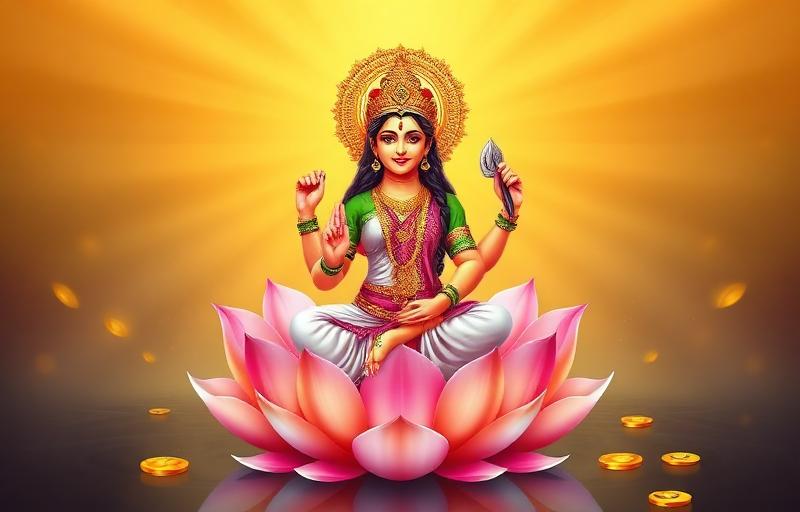
Why Vastu Matters for a Puja Room
घर का पूजा घर सिर्फ एक corner नहीं है - यह आपके घर की आध्यात्मिक धुरी है। वास्तु शास्त्र कहता है कि पूजा घर सही दिशा और जगह पर हो, तो घर की सारी energy उसी centre से flow करती है। गलत जगह पर पूजा घर बनाना घर में financial, health या mental stress ला सकता है।
यह कोई superstition नहीं है। वास्तु ancient Indian architecture science है जो magnetic fields, sunlight direction, airflow, और psychological effects पर based है। जब पूजा घर सही दिशा में होता है, तो natural light, positive vibrations, और peaceful atmosphere मिलती है।
यह complete guide आपको बताएगी:
- पूजा घर की best दिशा और जगह
- मूर्तियों की सही placement
- क्या रखें और क्या न रखें
- छोटे घरों के लिए practical solutions
🎧 रोज़ की पूजा में Vandnaa App पर आरती, मंत्र और भजन सुनें।
Best Direction for Puja Room
वास्तु के अनुसार पूजा घर की ideal direction है ईशान कोण (Northeast)। यह क्यों?
- सूर्य की पहली किरण northeast से आती है - जो माना जाता है कि सबसे पवित्र होती है
- Devas का निवास northeast को माना जाता है
- Magnetic field इस दिशा में positive होता है
- Natural light पूजा के समय (सुबह) best मिलती है
Direction priority (best to worst): 1. 🟢 ईशान (Northeast) - सर्वश्रेष्ठ, सबसे auspicious 2. 🟢 पूर्व (East) - सूर्योदय की दिशा, बहुत अच्छी 3. 🟡 उत्तर (North) - कुबेर की दिशा, अच्छी 4. 🔴 दक्षिण (South) - यम की दिशा, avoid करें 5. 🔴 नैऋत्य (Southwest) - सबसे worst, कभी पूजा घर यहाँ नहीं
सबसे important rule: पूजा करते समय आपका मुँह पूर्व या उत्तर की तरफ होना चाहिए। यानी मूर्तियाँ पश्चिम या दक्षिण की wall पर रखें ताकि आप पूर्व/उत्तर face करें।
Deity Placement Rules
मूर्तियाँ random नहीं रखी जातीं। वास्तु में specific rules हैं:
Basic rules:
- मूर्तियाँ wall से कम से कम 1 inch दूर रखें - हवा flow हो सके
- मूर्तियाँ एक दूसरे के सामने न हों - दो मूर्तियाँ आमने-सामने रखने से विवाद की energy आती है
- हर मूर्ति का अपना आसन हो - सीधे ज़मीन या table पर न रखें
- मूर्तियों की ऊँचाई आपकी छाती से ऊँची होनी चाहिए - नीचे नहीं
Size rules:
- घर के पूजा घर में मूर्तियाँ 9 inch से बड़ी न हों - वह temple-scale होती हैं
- बहुत छोटी भी नहीं - कम से कम 4-5 inch हो
किसकी कितनी मूर्तियाँ:
- एक देवता की एक ही मूर्ति रखें - दो गणेश, दो कृष्ण घर में न हों
- शिवलिंग अंगूठे के आकार से बड़ा न हो - घर के लिए छोटा ही ideal
- तीन मूर्तियाँ: गणेश, विष्णु/कृष्ण, शिव - classic combination
Which side which deity:
- गणेश - center में या left side
- लक्ष्मी - हमेशा गणेश के साथ या दाएँ
- कृष्ण/विष्णु - center में
- शिव - north side पर (शिव उत्तर की ओर face करते हैं)
- हनुमान - दक्षिण को face करते हुए (south-facing)
Never mix: खंडित (टूटी हुई) मूर्तियाँ कभी न रखें। तुरंत ऐसी मूर्ति को विसर्जित कर दें।
What to Keep in the Puja Room
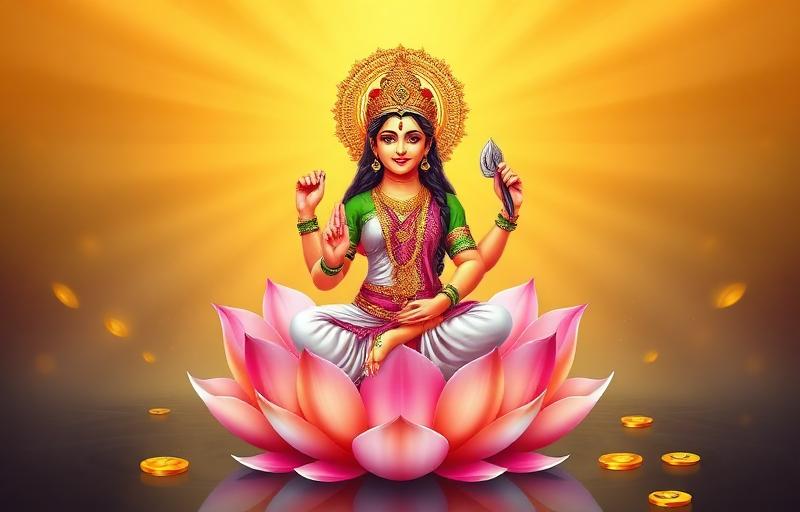
एक complete puja room में ये सब होने चाहिए:
Daily essentials:
- दीपक (Diya) - पीतल या चांदी का, रोज़ शुद्ध घी से जलाएं
- अगरबत्ती या धूप - सुबह और शाम
- फूल - ताज़े, रोज़ बदलें
- जल का पात्र - रोज़ ताज़ा पानी
- घंटी - पूजा शुरू और खत्म होते समय
- कर्पूर - आरती के लिए
- प्रसाद रखने का पात्र - छोटी plate
- माला - जप के लिए
Holy items:
- भगवद गीता या आपका preferred scripture
- रुद्राक्ष माला (अगर शिव पूजा करते हैं)
- तुलसी का पौधा - possible हो तो पास में रखें
- कुमकुम, चंदन, हल्दी - तिलक के लिए
Storage ideas:
- पूजा की चीज़ें एक separate wooden box में रखें
- Drawer या cabinet भी काम करता है
- धातु के बर्तन plastic में न रखें
Colors:
- Puja room की walls हल्के colors में - white, cream, light yellow, light pink
- Dark colors (black, dark blue, dark green) avoid करें
What NOT to Do
ये mistakes avoid करें - बहुत common हैं लेकिन वास्तु against हैं:
❌ Toilet या bathroom के बगल में puja room - बिल्कुल नहीं। Bathroom की अशुद्ध energy directly पूजा घर में आती है।
❌ Bedroom में puja room - यह controversial है। अगर बहुत ज़रूरी हो (छोटा घर) तो बेडरूम के northeast corner में करें, और सोते समय पर्दे से ढक दें।
❌ Staircase के नीचे - कभी नहीं। सीढ़ियों का वज़न और foot traffic deity पर पड़ता है।
❌ Kitchen के अंदर - Kitchen has fire and food smells which disturb the sacred space.
❌ Photos of deceased family members - पूजा घर में मृत परिजनों की तस्वीरें न रखें। उनकी अलग श्राद्ध जगह होती है।
❌ दो शिवलिंग या दो गणेश - एक ही रखें।
❌ Broken idols या चिपकी हुई मूर्तियाँ - तुरंत respectfully remove करें।
❌ Dirty या cluttered area - पूजा घर हमेशा साफ रखें, daily dust करें।
❌ Leather items - पूजा घर में leather wallet, belt, shoes कभी भी न रखें या पहनकर न जाएं।
❌ Pooja room को store room की तरह use करना - पूजा के अलावा कोई और सामान यहाँ न रखें।
❌ Idol का मुँह दरवाज़े की तरफ - मूर्तियाँ दरवाज़े की तरफ face नहीं करनी चाहिए।
Solutions for Small Homes
अगर आप 1BHK या छोटे flat में रहते हैं तो एक separate puja room impossible लगता है। Don't worry - ये practical options हैं:
Wall-mounted temple:
- Living room के northeast wall पर एक wooden mandir लगाएं
- कम से कम floor से 4 feet ऊपर
- अंदर LED light लगाएं - soft glow के लिए
Kitchen counter का एक corner:
- अगर kitchen northeast में है तो वहाँ एक छोटा wooden shelf
- Daily cooking और puja दोनों यहीं से
- Open flames (stove) से दूर रखें
Bedroom - last resort:
- बेडरूम के northeast corner में छोटा mandir
- एक पर्दा या curtain से cover करें जब सो रहे हों
- Bed और mandir आमने-सामने न हों
Puja shelf के लिए ideal dimensions:
- Width: 18-24 inches
- Depth: 12-15 inches
- Height: eye level or above (at least 4 feet from floor)
Essentials only: छोटी जगह में कम चीज़ें रखें - 1-3 मूर्तियाँ, एक दीपक, एक अगरबत्ती holder, एक छोटा जल पात्र। Clutter avoid करें।
Portable mandir: Amazon और local shops पर foldable portable puja mandirs मिलते हैं - छोटे घरों के लिए perfect हैं।
याद रखें - भगवान size से impressed नहीं होते, भक्ति से होते हैं। एक साफ, dedicated, devotional corner काफी है।
Daily Puja Room Ritual: What to Do Every Morning and Evening
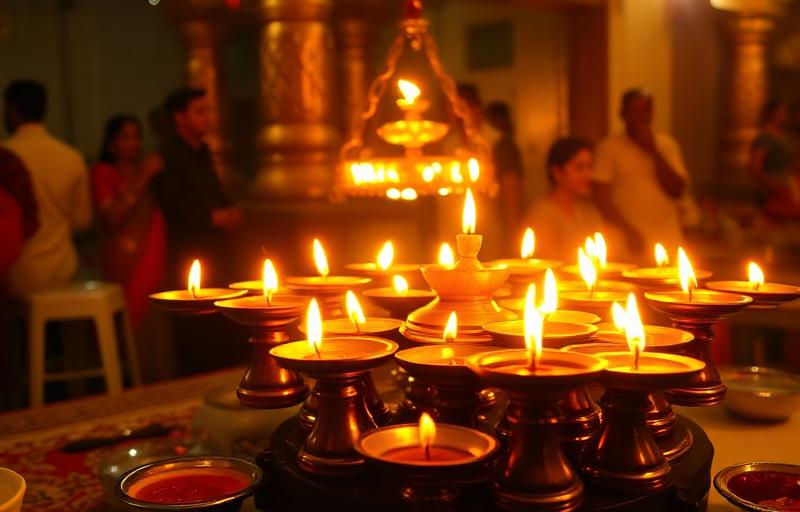
A puja room without daily ritual is just a decorated corner. The ritual is what transforms it into a living sacred space.
Morning Ritual (15–20 minutes):
1. Cleaning (2 min): Wipe the mandir shelf with a clean damp cloth. Remove any wilted flowers from yesterday. Place fresh flowers or fresh tulsi leaves.
2. Lighting (1 min): Light a ghee diya (or sesame oil lamp - ghee for Vishnu/Lakshmi, sesame for Shiva/Hanuman). Light one agarbatti.
3. Offering water (1 min): Pour a small amount of fresh water in the puja vessel (panchamrit or just clean water). Offer a small piece of fruit, coconut, or sugar candy.
4. Aarti (5 min): Sing or play the aarti of the presiding deity. Move the diya in clockwise circles. Use the Vandnaa App if you don't know the aarti.
5. Mantra jap (5–10 min): Chant your daily mantra - at minimum 11 repetitions of any mantra relevant to the deity.
6. Closing prayer (1 min): 'Hey Bhagwan, protect our family today. Guide us toward right action.' This personalisation is important - it transforms ritual into conversation.
Evening Ritual (10 minutes):
- Light a diya and agarbatti at sunset (Sandhya Diya - the evening lamp is one of the most auspicious daily rituals in Hinduism)
- Sing or play evening aarti
- Sit quietly for 2–3 minutes - this is your daily transition between work-mode and home-mode
- Thank God for the day
On days you truly cannot do the full ritual: The minimum is: light a diya. That single act - lighting a flame with the intention of divine acknowledgement - maintains the sacredness of the space.
🎧 The Vandnaa App has morning and evening aarti playlists with timed reminders.
How to Decorate Your Puja Room for Maximum Positive Energy
The decoration of a puja room is not about aesthetics alone - it is about creating the sensory conditions that naturally shift the mind into a devotional state:
Colors:
- White: Purity, peace - ideal as the primary wall color
- Yellow: Auspiciousness, divine presence - good for accents
- Red: Power, protection - used specifically for Devi shrines
- Avoid: Black, grey, dark navy - these create heaviness in the energy of the space
Light:
- Natural light is best - northeast corner naturally receives morning light
- If no natural light: warm white LED (not cool/blue LED), positioned above the shrine
- Oil lamps: place two lamps (representing Shiva and Shakti, or the sun and moon) if possible
- Avoid: harsh fluorescent lighting - it disrupts the peaceful atmosphere
Fragrance:
- Sandalwood incense: cooling, calming, associated with Vishnu and Saraswati
- Rose or jasmine agarbatti: associated with devotion and love, suitable for all deities
- Camphor (kapur): used specifically for aarti - its complete combustion (it leaves no residue) symbolises the ego dissolving in divine service
- Dhoop sticks: stronger fragrance, used for more intense pujas
Sacred symbols:
- Om symbol on the wall above the mandir
- Swastika symbol at the entrance of the puja room (auspicious threshold marker)
- Rangoli or kolam at the entrance on auspicious days
- Bells: a small bell hung above the mandir - its sound at the start of aarti signals divine attention
Plants:
- Tulsi plant: the most sacred of all plants in Vaishnavism; keep one near or just outside the puja room
- Jasmine or rose nearby: their fragrance naturally elevates the senses
- Avoid thorny plants (cactus) inside the puja room
Sound:
- Morning bhajans at low volume while preparing for puja
- No loud or discordant music near the puja room
- The Vandnaa App can serve as an ambient bhajan/mantra background during puja preparation
Ultimate principle: whatever makes you feel closer to the divine when you enter the space - that is correct. There is no universal 'right' decoration; there is the decoration that facilitates your personal devotion.
Frequently Asked Questions
Can I have my puja room in the bedroom?+
It's not ideal according to Vastu, but if you have no other option, keep the mandir in the northeast corner of the bedroom. Cover it with a cloth or curtain at night when sleeping. Make sure your bed is not directly facing the idols, and avoid any intimate activity in that area.
Which direction should we face while doing puja?+
Face east (sunrise direction) or north (Kuber/wealth direction). Never face south (Yama direction) or west while doing puja. This means your deities should be placed on the west or south wall so you automatically face east or north.
Can I keep photos of God if I don't have idols?+
Yes, absolutely. Photos (framed images) are perfectly fine for home puja. They're easier to maintain, lighter, and work well in small spaces. Many families prefer photos over idols. Keep them clean, at eye level or above, and away from dust.
Is it ok to light an electric diya instead of oil lamp?+
Traditional vastu prefers real oil/ghee lamps because the actual flame is considered sacred (Agni). But electric diyas are acceptable when: (1) safety is a concern, (2) you're traveling, or (3) you can't light a real diya daily. For morning and evening aarti, try to use a real flame at least once.
How often should I clean the puja room?+
Daily dusting is essential. A thorough cleaning (with cloth and water) should happen at least weekly. On special days like Amavasya, Purnima, Ekadashi, and before major pujas, do a deep clean. Never leave wilted flowers or old prasad in the puja room - remove them the same day.
About the author
Dr. Suresh Iyer · Vastu Shastra & Jyotish, 18+ years
Dr. Suresh has practiced traditional Vastu and basic Vedic Jyotish for over 18 years across South India. He contributes the Vastu, direction, and home-puja layout guides on Vandnaa.
Meet the Vandnaa editorial team →