Why Krishna's Cradle Is Central to Janmashtami
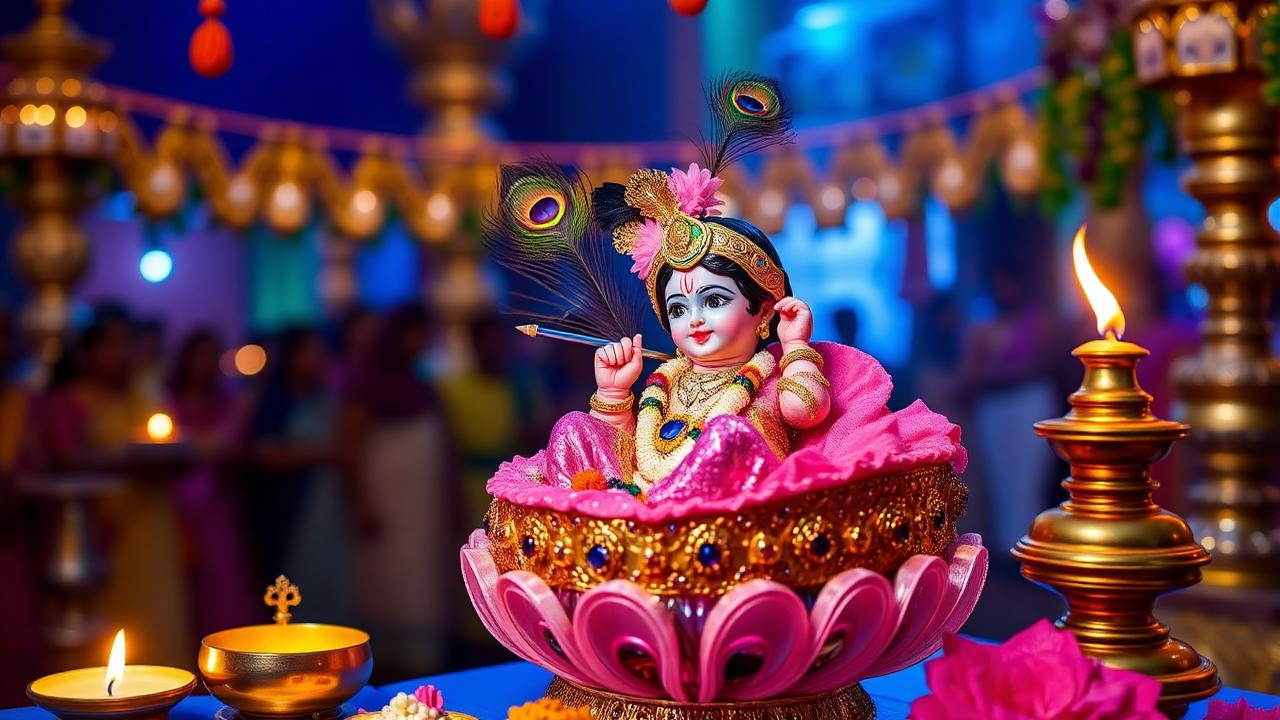
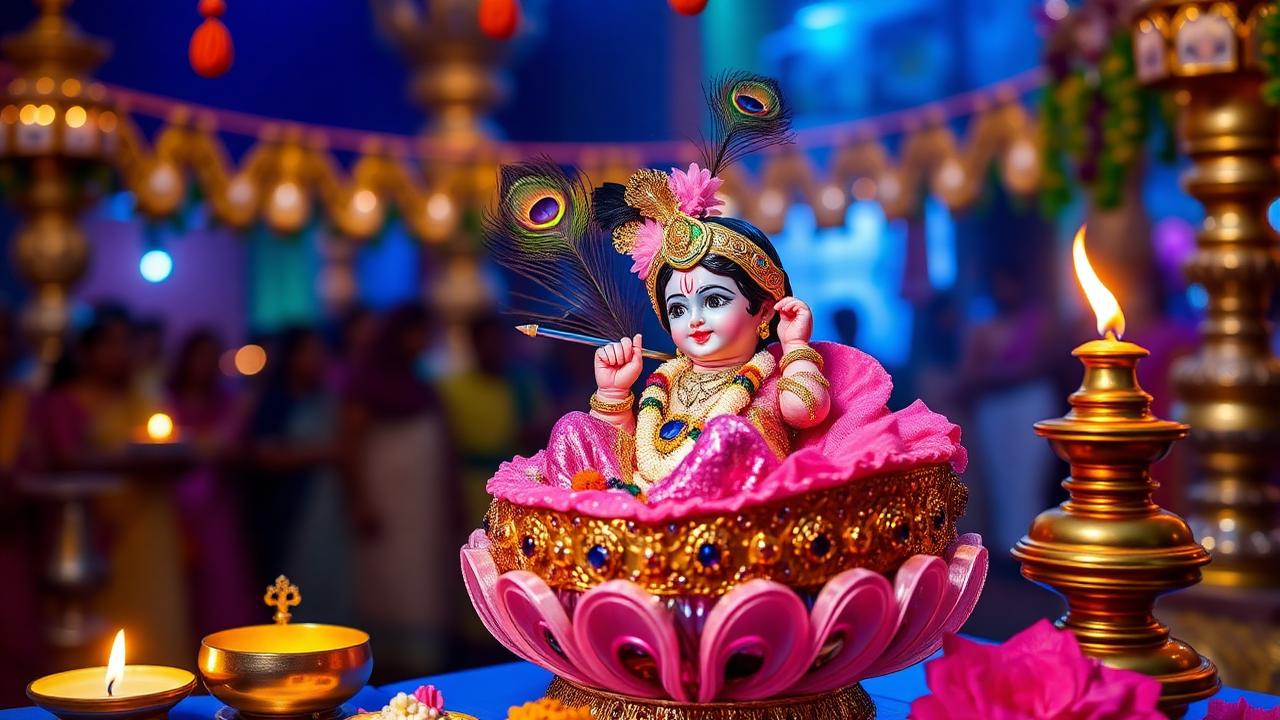
Long before Krishna could walk or speak, he was a baby who needed to be rocked to sleep - and that simple, tender image is exactly what the jhula (decorated cradle) recreates every Janmashtami. It is one of the few festival rituals that is more about tenderness than grandeur.
In the Krishna story, right after birth, Vasudev carried the infant across the Yamuna to Gokul, where Yashoda and Nanda raised him with the kind of ordinary parental love - lullabies, cradles, rocking - that any household recognises. The jhula tradition brings that same domestic warmth into modern homes: it is not a distant, formal act of worship but an intimate one, closer to preparing a nursery for an arriving baby than performing a grand ceremony.
This is also why jhula decoration, unlike many festival rituals, is something the whole family participates in together, especially children. Kids help thread flowers, choose fabric colours, and place tiny toys near the cradle - activities that make the abstract idea of a deity's birth feel real and relatable to a five-year-old in a way that mantras alone cannot.
Most households begin decorating the jhula on Janmashtami day itself, in the afternoon or early evening, so it is ready well before the midnight puja begins. In temples, especially in Vrindavan and Mathura, jhulas are often elaborate multi-day installations, sometimes started days in advance and swung publicly for devotees to view and personally rock as an act of blessing.
Whether simple or elaborate, the jhula's purpose stays the same: to give Krishna, for one night, an actual home to be welcomed into.
Materials You Will Need
A beautiful jhula does not require an expensive shopping trip - most of what's needed is either already at home or available cheaply at any local market in the days before Janmashtami. Here is a practical checklist:
The cradle itself:
- A small wooden, metal, or plastic swing/cradle sized for a baby Krishna idol (widely available in markets and online in the weeks before the festival)
- Alternatively, a decorative hammock-style cloth cradle, or even a small basket suspended with ribbon, works well for a simpler home setup
Fabric and base decoration:
- A length of silk or satin cloth (red, yellow, or peacock blue are traditional Krishna colours) to line the cradle
- Small cushions or cotton padding for comfort and shape
- Decorative lace or gota trim for the edges
Flowers:
- Fresh marigold (genda) garlands - the most common and affordable choice
- Rose petals for scattering around the base
- Tulsi leaves and a few jasmine strands if available, for their sacred association with Krishna
Lighting:
- String lights or small battery-operated fairy lights to frame the cradle
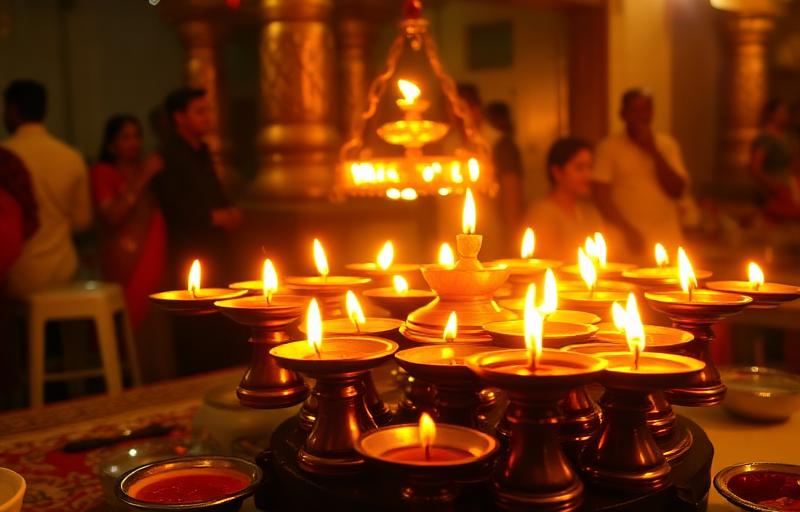
- A few diyas placed safely around, not directly on, the decorated area
Extra touches:
- A small mukut (crown), bansuri (flute) replica, and peacock feather to place near or on the idol
- Silver or gold-coloured paper, rangoli colours, or stick-on stars for the backdrop
- A toran (door hanging) of mango leaves and marigold for the entrance, extending the festive feel beyond just the cradle
Most families spend somewhere between one and three hours gathering these items in the two or three days before Janmashtami, with flowers bought fresh on the day itself since they wilt quickly.
Step-by-Step Jhula Decoration
With materials ready, decorating the jhula itself usually takes 45 minutes to 90 minutes depending on how elaborate you want it. Here is a reliable order to follow:
Step 1 - Clean and position the frame: Wipe down the cradle or swing frame and decide on its final location - typically inside or right beside the home mandir, at a height where family members can comfortably reach to rock it later.
Step 2 - Line the base: Lay the silk or satin fabric inside the cradle, tucking the edges neatly. Add a small cushion or folded cotton cloth so the idol will sit or lie comfortably and at a slight, stable angle.
Step 3 - Drape the canopy: If your jhula has an overhead frame or arch, drape a lighter, sheer fabric (net or organza works beautifully) over it, gathering it loosely at the top so it doesn't hang too low.
Step 4 - Add the flower work: Attach marigold garlands along the frame's edges and corners first, working from the top down. Scatter loose rose petals along the base and surrounding altar area last, since petals are the most delicate element and can get crushed if added too early.
Step 5 - Add lighting: Wrap string lights around the frame's outer edge, keeping bulbs away from fabric that could overheat. Test the lights before finalising their position, since re-wrapping after flowers are placed is far more fiddly.
Step 6 - Style the backdrop: If placing the jhula against a wall, add a simple backdrop - a rangoli on the floor beneath it, a toran above, or a cutout of peacock feathers - to frame the whole setup visually.
Step 7 - Leave the idol placement for last: Do not place baby Krishna's idol into the finished jhula yet - in most homes this is reserved for a specific moment closer to or at midnight, covered in the next section.
Working in this order (frame, fabric, canopy, flowers, lights, backdrop) avoids having to redo delicate flower work after bumping it while adjusting something else.
Choosing Flowers, Fabric and Colours
Colour and flower choices in jhula decoration are not arbitrary - they carry meaning rooted in how Krishna is traditionally depicted and worshipped, though there is plenty of room for personal taste too.
Yellow: The colour most associated with Krishna's pitambar (traditional yellow silk garment). Yellow fabric, yellow marigolds, or a yellow-gold canopy is the single most common choice for jhula lining across North Indian households.
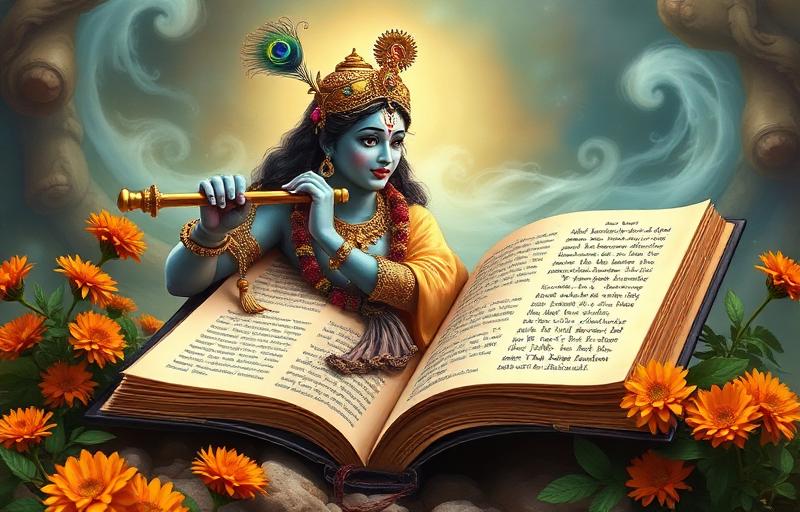
Peacock blue and green: References Krishna's dark blue-tinged skin (often described as the colour of monsoon clouds) and his connection to peacock feathers, which he is famously depicted wearing in his crown. A blue or teal accent alongside yellow creates a striking, traditional combination.
Red: Common in Bengali and eastern Indian households, red silk is often used as a base fabric, sometimes paired with gold trim for a richer look.
White and silver: Used more sparingly, typically for the canopy or backdrop rather than the base, to add a soft contrast against brighter colours.
Marigold (genda): By far the most-used flower for jhula decoration - affordable, long-lasting through a warm September night, and vividly orange-gold in a way that photographs beautifully.
Rose: Used more for fragrance and softness, typically as loose petals rather than structural garlands, since rose garlands wilt faster than marigold in warm weather.
Jasmine (mogra) and tuberose (rajnigandha): Added in small quantities near the idol itself for fragrance, particularly popular in Western and Southern Indian celebrations.
A simple, reliable combination for a first-time decorator: yellow or gold base fabric, marigold garlands as the primary flower, a touch of peacock blue in the canopy or a ribbon accent, and a few loose rose petals scattered at the very end for softness and fragrance.
When and How to Place Baby Krishna's Idol
One detail surprises many first-time decorators: in most households, the jhula is decorated fully in advance, but baby Krishna's idol is deliberately kept out of it until much closer to the birth moment itself.
Why the idol goes in last: Symbolically, the empty, beautifully prepared cradle represents anticipation - the same anticipation Devaki, Vasudev, Yashoda and Nanda felt before Krishna's arrival. Placing the idol too early is thought to diminish the emotional build-up of the midnight ritual, where the idol's placement is one of the most significant actions of the entire night.
The two common timings:
- Right after the midnight abhishek: In most homes, the freshly bathed and dressed idol is placed into the jhula immediately after the panchamrit abhishek and vastra (dressing) are completed, around 12:15-12:30 AM, just before the aarti.
- A softer alternative for families with young children: Some households place a simple, undressed idol into the jhula earlier in the evening as a visual centrepiece for jagran, then perform a proper "welcome" re-placement ceremony after the midnight abhishek with the fully dressed idol.
How to place the idol: Lift the bathed and dressed idol gently with both hands, say a short prayer or the Krishna mool mantra, and lay it down facing outward so family members can see and offer pranam easily. Adjust the surrounding fabric so it looks natural rather than stiff.
After placement: This is the cue for everyone present to take turns gently rocking the jhula - usually with the right hand, humming a lullaby-style bhajan such as "Jo Sukh Chhajat Nand Ghar" - continuing the ritual for several minutes before moving to aarti.
Getting this sequence right is less about precision and more about letting the moment feel unhurried, since it is, for many families, the emotional high point of the night.
How Jhula Styles Differ Across Regions
While the core idea of the jhula stays consistent across India, the style, scale and timing of the tradition shift noticeably from region to region.
Vrindavan and Mathura: Here, jhulas reach their most elaborate form. Major temples install large, ornately carved swings weeks before Janmashtami, often as part of the broader Jhulan Yatra tradition that actually begins around Shravan Purnima and continues through Janmashtami. Devotees queue for the chance to personally push the swing as an act of seva.
Rajasthan and Gujarat: Homes favour vividly coloured mirror-work (shisha) fabric and heavy gota-patti trim on the jhula, reflecting the region's broader textile traditions. Community jhula displays, decorated by neighbourhood groups, are common in housing societies.
Maharashtra: Jhula decoration tends to be simpler at home, since Maharashtra's Janmashtami energy is more heavily invested in Dahi Handi celebrations the next day. Many families keep a modest cradle with marigold and a small idol rather than an elaborate installation.
Bengal and Odisha: Called "Dolna" in some Bengali households, the cradle decoration often uses red and white themes echoing broader Bengali festive colour palettes, alongside shola (pith) work decorations.
South India: In Tamil Nadu, Karnataka and Andhra Pradesh, where the festival is called Krishna Jayanthi or Gokulashtami, cradle decoration ("Ooncha" in Tamil) is paired with elaborate kolam (rangoli) work on the floor leading up to the cradle, and small footprints drawn from the door to the puja area, symbolising baby Krishna toddling into the home.
None of these regional variations is more authentic than another - they are simply different, equally devoted expressions of the same welcoming instinct.
🪈 Browse jhula and Janmashtami decoration inspiration inside the Vandnaa app's festival guide.
Frequently Asked Questions
When should I start decorating the jhula for Janmashtami?+
Most households begin on Janmashtami day itself, in the afternoon or early evening, so the jhula is fully ready before jagran begins around 9-10 PM. If you want a more elaborate setup, starting a day earlier for non-perishable elements like fabric and lights, and adding fresh flowers on the day itself, works well.
Why is baby Krishna's idol placed in the jhula only after midnight, not earlier?+
The empty, decorated cradle before midnight symbolises the anticipation felt before Krishna's birth. Placing the freshly bathed and dressed idol into the jhula right after the midnight abhishek is treated as one of the most emotionally significant moments of the night, and placing it too early is thought to dilute that build-up.
What can I use for a jhula if I don't have a proper cradle at home?+
A small basket, a decorative wooden tray suspended with ribbon, or even a folded cloth hammock tied between two sturdy points can work perfectly well. What matters is the care put into decorating it with fabric, flowers and light, not the base object itself.
How do I keep marigold flowers fresh for the jhula through a warm September evening?+
Buy marigold garlands as close to the decoration time as possible, ideally the same afternoon. Lightly sprinkle them with water and keep them in a cool, shaded spot until you're ready to attach them. Avoid direct sunlight or placing them near heat sources like diyas until closer to the final setup.
Is there a right or wrong way to decorate the jhula, or is it flexible?+
It is genuinely flexible. Regional traditions differ widely, from Vrindavan's elaborate temple swings to a simple basket with marigold in a small apartment. What is consistent across every tradition is the sentiment: a clean, lovingly prepared space to welcome baby Krishna. There is no single correct template to follow exactly.
Can artificial flowers be used instead of fresh marigold for the jhula?+
Yes, many households now use good-quality artificial marigold and rose garlands, especially if decorating a day or two in advance. Fresh flowers are traditional and preferred for the midnight moment itself, but artificial ones are a practical and acceptable alternative for the broader setup, particularly in humid September weather.
About the author
Dr. Suresh Iyer · Vastu Shastra & Jyotish, 18+ years
Dr. Suresh has practiced traditional Vastu and basic Vedic Jyotish for over 18 years across South India. He contributes the Vastu, direction, and home-puja layout guides on Vandnaa.
Meet the Vandnaa editorial team →