Why Jwala Devi Is Among the Holiest Shakti Peethas
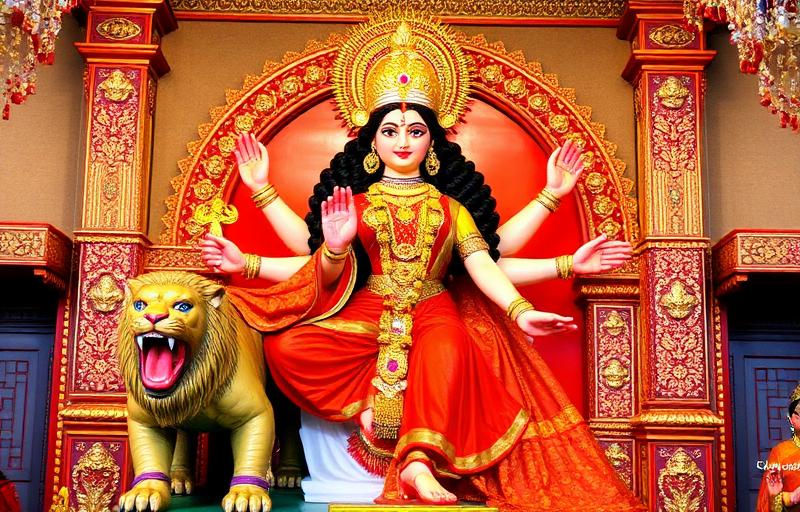
Jwala Devi, also called Jwalamukhi (the one with the flaming mouth), sits in the Kangra valley of Himachal Pradesh and is counted among the most revered of the 51 Shakti Peethas. The tradition holds that when Lord Shiva carried the body of Sati after the Daksha yagna, her tongue fell at this spot. Because the tongue is the seat of vani (speech) and of Agni's taste, the Devi chose to manifest here not as stone but as living flame. For pilgrims, this is what makes Jwala Devi unforgettable: the Goddess is not represented here, she is visibly present, burning without fuel from clefts in the rock. Devotees believe a sincere prayer spoken before the jyoti reaches the Devi directly, since the flame itself is her tongue receiving the offering.
The Nine Eternal Flames and Their Devi Names
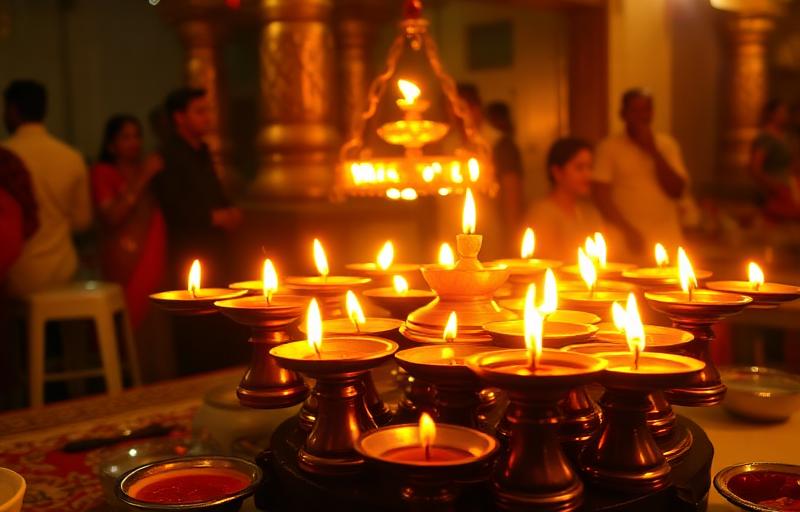
Inside the sanctum, nine flames emerge from fissures in the rock, and each is worshipped as a distinct form of the Goddess. The principal flame, set in a silver-framed niche, is Mahakali, the presiding Devi of the peetha. The other jyotis are revered as Annapurna, who nourishes; Chandi, who destroys negativity; Hinglaj, linked to the famed peetha in Baluchistan; Vindhyavasini, the Devi of the Vindhyas; Mahalakshmi, giver of prosperity; Saraswati, giver of wisdom; Ambika, the cosmic mother; and Anjana, mother of Hanuman. Pilgrims move from flame to flame, offering prayers to each form. The flames have burned continuously within living memory and tradition holds they have never been extinguished. Standing before all nine at once, devotees feel they are seeing the Navadurga gathered in a single sanctum.
Akbar, Dhyanu Bhagat and the Golden Chhatra Legend
The most told legend of Jwala Devi involves Emperor Akbar and the devotee Dhyanu Bhagat. When Dhyanu led a band of pilgrims toward Jwalamukhi, Akbar tested his faith, mocking a Goddess who was mere fire. Tradition says the emperor tried to extinguish the flames, first with water and then by directing a stream over them, yet the jyotis kept burning, splitting and rising through every obstruction. Humbled, Akbar walked to the shrine and offered a chhatra (canopy) of gold. But the Devi, reading the pride still hidden in the gift, turned the gold into an unknown, dull metal that no smith could identify. The fallen chhatra is still shown to pilgrims as a reminder that the Goddess values bhakti, not wealth. Dhyanu Bhagat's unwavering faith, by contrast, is celebrated in folk ballads sung at the temple to this day.
No Murti Here - The Jyoti Itself Is the Devi
First-time pilgrims are often surprised: there is no idol in the sanctum of Jwala Devi. The flame is the deity, worshipped directly with aarti, bhog and chanting. Darshan flows in a line past the main Mahakali jyoti, where priests help devotees offer dhwaja, coconut, mishri and red chunari. You then circle past the smaller flames set in the rock walls and floor, bowing to each Devi by name. The temple follows a daily cycle of aartis from early morning to night, including the distinctive Shayan aarti, when the Devi's bed is ceremonially prepared. Pilgrims also visit Gorakh Dibbi nearby, a water tank associated with Guru Gorakhnath where the water appears to boil yet stays cool, deepening the sense that the entire hill is alive with the Devi's tejas.
The Kangra Devi Circuit - Chintpurni, Naina Devi, Chamunda and Brajeshwari
Jwala Devi is the heart of a beloved pilgrimage circuit through the Devi shrines of lower Himachal. Most yatris pair it with Chintpurni, the Chhinnamastika peetha where Sati's feet are said to have fallen, about an hour and a half away. Naina Devi, on a hilltop above the Gobind Sagar near Bilaspur, marks where Sati's eyes fell. Chamunda Devi, on the banks of the Baner river near Palampur, enshrines the fierce slayer of the demons Chanda and Munda. Brajeshwari Devi in Kangra town completes the circuit and is itself a Shakti Peetha of great antiquity. Many families complete the full circuit in two to three days, treating it as one continuous Devi darshan yatra. Doing the circuit during Navratri is considered especially meritorious, though it also brings the year's biggest crowds.
How to Reach Jwala Devi and Practical Pilgrim Tips
Jwalamukhi town lies in Kangra district, about 30-35 km from Kangra town and roughly 50 km from Dharamshala. The nearest airport is Gaggal (Kangra airport), with flights from Delhi. By rail, the broad gauge railhead at Pathankot connects to the scenic Kangra Valley narrow gauge line, and taxis run from Jwalamukhi Road station. By road, regular HRTC and private buses link Jwalamukhi with Delhi, Chandigarh, Hoshiarpur and Dharamshala. Practical tips: keep an offering of chunari, coconut and mishri ready before joining the line; deposit footwear at the stalls outside; carry a shawl for early morning aartis as the hall floor is cool; and keep your phone away inside the sanctum so you can receive darshan of the jyotis with full attention. Eat at the langar or local dhabas serving simple sattvik food.
Common Questions From Devotees
Why is Jwala Devi called a Shakti Peetha?+
Jwala Devi is one of the 51 Shakti Peethas, the spots where parts of Sati's body fell when Shiva carried her after the Daksha yagna. Tradition holds that Sati's tongue fell here, which is why the Devi manifests as eternal flame rather than as a murti.
How many flames burn at Jwala Devi and what are their names?+
Nine eternal flames burn in the sanctum. The main jyoti is Mahakali, and the others are worshipped as Annapurna, Chandi, Hinglaj, Vindhyavasini, Mahalakshmi, Saraswati, Ambika and Anjana, each a distinct form of the Goddess.
Is there a murti of the Goddess at Jwala Devi temple?+
No. Jwala Devi is unique among major Devi shrines because there is no idol in the sanctum. The natural flames emerging from the rock are themselves worshipped as the living presence of the Goddess, and all aartis and offerings are made directly to the jyotis.
What is the Akbar legend associated with Jwala Devi?+
Legend says Emperor Akbar tried to extinguish the flames with water and a diverted stream, but they kept burning. Humbled, he offered a golden chhatra, which the Devi turned into an unknown metal because pride tainted the gift. The chhatra is still shown at the temple.
What is the best time to visit Jwala Devi?+
The Chaitra and Ashwin Navratris are the most auspicious, when grand melas are held, though crowds peak then. For a quieter darshan, October to March offers pleasant weather in the Kangra valley. Monsoon travel needs buffer time due to occasional landslides.
Which other Devi temples can be combined with a Jwala Devi yatra?+
Most pilgrims combine Jwala Devi with the Kangra Devi circuit: Chintpurni, Naina Devi, Chamunda Devi and Brajeshwari Devi in Kangra town. The full circuit is usually completed in two to three days and is especially meritorious during Navratri.
About the author
Pandit Ravindra Sharma · Vedic Rituals & Bhakti, 22+ years
Pandit Ravindra is the Vandnaa editorial team's resident specialist on aarti, chalisa, and daily devotion. He has performed home and temple pujas across Varanasi and Delhi for over two decades and contributes the bhakti-focused articles on this site.
Meet the Vandnaa editorial team →