The Goddess Who Removes Worry
Chintpurni, set on a hilltop in the Una district of Himachal Pradesh, is dedicated to Maa Chhinnamastika, a fierce yet compassionate form of the Devi. Her very name comes from chinta (worry) and purni (one who fulfils or ends) - she is revered as Chinta-purni, the goddess who removes the worries of those who come to her. Pilgrims arrive carrying heavy hearts and leave lighter, having placed their cares at her feet.
Shakti Peeth Origin and Chhinnamastika
Chintpurni is counted among the revered Shakti Peeths; tradition holds that a part of Sati's feet (charan) fell here. The Devi is worshipped here in the form of a pindi (sacred rounded stone) rather than a human image. As Chhinnamastika, she is one of the ten Mahavidyas, depicted self-sacrificing for the nourishment of her devotees - a profound symbol of selfless giving. The temple is said to have been established by Mai Das, a Saraswat Brahmin to whom the Devi appeared and asked to be worshipped at this spot.
What Makes Chintpurni Special
Devotees come to Chintpurni above all to lay down their worries and seek peace of mind. It is a common tradition to make a mannat (vow) here and to tie or untie a sacred thread, returning to fulfil the vow once the wish is granted. The pindi-form worship keeps the focus on pure devotion rather than imagery. The hilltop setting amid the Shivalik ranges, surrounded by forested slopes, gives the whole pilgrimage a calm, healing feel that matches the Devi's promise.
Darshan, Timing and Yatra Tips
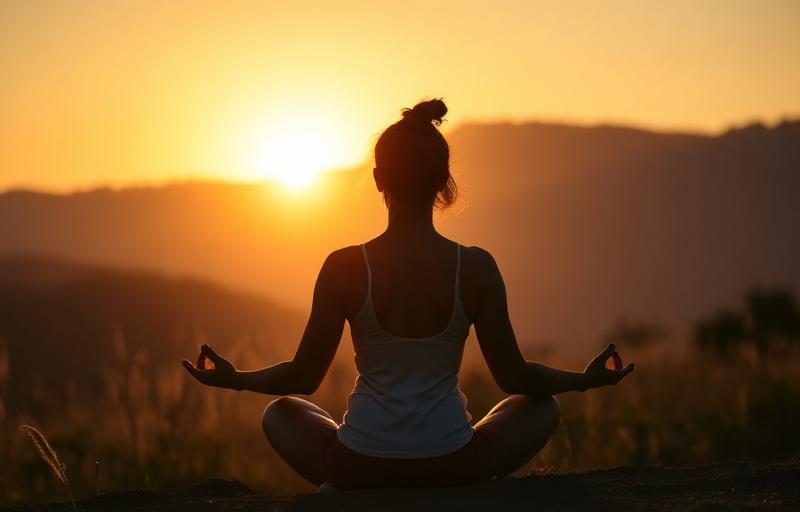
The temple generally opens early morning around 5 am and closes late at night, with aartis morning and evening. Chintpurni lies in Una district, about 3 km from the town of Bharwain, well connected by road from Hoshiarpur, Una and Amb; the nearest railhead is Amb-Andaura and the nearest airport is Gaggal (Kangra). Tips: the final stretch involves a short walk lined with offering shops, so carry water, reach early on weekends, and combine Chintpurni with Jwala Ji and Naina Devi, which are all within easy driving distance.
Mantra and How to Pray
Devotees invoke the Devi with:
Om Hreem Chhinnamastikaayai Namah
The Durga Saptashati and Om Aim Hreem Kleem Chamundayai Vichche are also recited before the pindi. Stand before the Devi, share your worry honestly in your heart, and surrender it to her with faith. It is traditional to offer a red chunri, coconut, batashe and flowers, and to tie a sacred thread while making a vow, returning to untie it when the prayer is answered.
Festivals and Navratri at Chintpurni
Chintpurni is busiest during Chaitra and Sharad Navratri, when the temple hosts large fairs and lakhs of devotees throng for darshan. A famous Saavan Ashtami fair in the monsoon month of Shravan also draws huge crowds. During these days the queues can be very long, so plan ahead, book stay in Bharwain or Una early, and be ready for slow-moving lines while keeping a patient, devotional mind.
Common Questions From Devotees
Why is Chintpurni called the remover of worries?+
Her name combines chinta (worry) and purni (one who ends or fulfils). As Maa Chhinnamastika she is revered for removing the worries of devotees who come and surrender their cares at her feet.
Which form of the Devi is worshipped at Chintpurni?+
She is worshipped as Maa Chhinnamastika, one of the ten Mahavidyas, in the form of a sacred pindi (rounded stone) rather than a human image, symbolising selfless giving and protection.
Is Chintpurni a Shakti Peeth?+
Yes. Chintpurni is among the revered Shakti Peeths. Tradition holds that a part of Sati's feet fell here, making it a deeply sacred seat of the Devi.
Where is Chintpurni Temple located?+
Chintpurni is in the Una district of Himachal Pradesh, on a hilltop near Bharwain town. The nearest railhead is Amb-Andaura and the nearest airport is Gaggal (Kangra).
What is the mantra of Maa Chhinnamastika?+
The mantra is 'Om Hreem Chhinnamastikaayai Namah'. Devotees also recite the Durga Saptashati and 'Om Aim Hreem Kleem Chamundayai Vichche' before the pindi.
What is the tradition of tying a thread at Chintpurni?+
Devotees tie a sacred thread while making a vow (mannat) for a wish. When the prayer is granted, they return to untie the thread and complete the vow as thanksgiving to the Devi.
About the author
Pandit Ravindra Sharma · Vedic Rituals & Bhakti, 22+ years
Pandit Ravindra is the Vandnaa editorial team's resident specialist on aarti, chalisa, and daily devotion. He has performed home and temple pujas across Varanasi and Delhi for over two decades and contributes the bhakti-focused articles on this site.
Meet the Vandnaa editorial team →Explore on Vandnaa
Related Articles
Jwala Ji Temple - Eternal Flame Shakti Peeth Significance & Darshan
9 min read
Naina Devi Temple - Sati's Eyes Shakti Peeth Significance & Darshan
8 min read
Chamunda Devi Temple - Fierce Durga Significance & Darshan
9 min read
Das Mahavidya - 10 Forms, Significance & Mantras
10 min read
Durga Chalisa Lyrics in Hindi & English with Meaning
9 min read
Navadurga: The 9 Forms of Maa Durga, Their Mantras, Significance & Which to Worship Each Day
13 min read