Who Kirateshwar Mahadev Is
Kirateshwar Mahadev is Shiva worshipped in his Kirata form, the appearance he took as a mountain hunter. The temple stands at Legship in West Sikkim, on the bank of the Rangeet river, in a valley below Pelling.
The Kirata episode is one of the best known in the Mahabharata. Arjuna undertook severe tapas to obtain the Pashupatastra from Shiva. Shiva came to test him in the form of a hunter, with Parvati as his companion. A dispute arose over who had struck a boar, the two fought, and Arjuna, unable to defeat the hunter, eventually recognised him. Shiva revealed himself and granted the weapon.
Sikkim's tradition places that tapas here, on this stretch of the Rangeet, and the temple takes its name from it. Kirata in Sanskrit texts refers to the mountain and forest peoples of the Himalayan belt, and the word appears in early literature for the communities of exactly this region.
For devotees, that gives the shrine a specific character. This is not a temple where Shiva appears as a distant ascetic on Kailash. It is a temple where he appears as a local hunter in the hills where the story is set.
The Temple at Legship
The temple sits low in the valley, right beside the river, in a setting that does much of the work of the pilgrimage.
- The Rangeet river runs past the temple, and devotees bathe in it before darshan, particularly during festivals
- The temple is modest in scale and built in a simple hill style, without the elaborate architecture of the plains
- The surroundings are forested, and the site is quiet outside festival days
- A large open area beside the river accommodates the crowds that gather for the winter observances
Sikkim is a Buddhist majority state with a large Nepali speaking Hindu population, and its devotional landscape reflects both traditions living alongside each other. Kirateshwar is among the most important Hindu shrines in the state, and it draws devotees not only from Sikkim but from Darjeeling, Kalimpong and Nepal.
The temple's importance is regional in a way that crosses state and national lines. For Nepali speaking Hindu communities across the eastern Himalaya, this is a shared shrine, and the winter gatherings here are among the largest religious assemblies in the region.
Bala Chaturdashi and Shivratri
Two observances bring the largest crowds to Kirateshwar, and both are kept through the night.
Bala Chaturdashi, observed in the winter months around the chaturdashi of Margashirsha, is the temple's most distinctive festival. Devotees arrive the previous evening, keep a night long vigil beside the river, and in the morning perform the customary rite of scattering seeds along the path and around the shrine while remembering the departed of their families. The practice is kept across Nepali speaking Hindu communities in the eastern Himalaya, and Kirateshwar is one of its main centres in India.
Mahashivratri in Phalgun is the other major occasion, when thousands gather for night long worship, bathe in the Rangeet and offer to the Shivling through the four prahars of the night.
Other observances at the temple include:
- Shravan Mondays, when Shiva temples across the Himalayan belt fill up
- Ram Navami and Dashain and Tihar season worship, kept by the Nepali speaking community
- Regular Monday worship through the year
Offerings are simple. Bel patra, milk, water from the Rangeet, flowers, incense and lamps, with rudraksha and local produce offered by many devotees.
Why the Kirata Form Matters
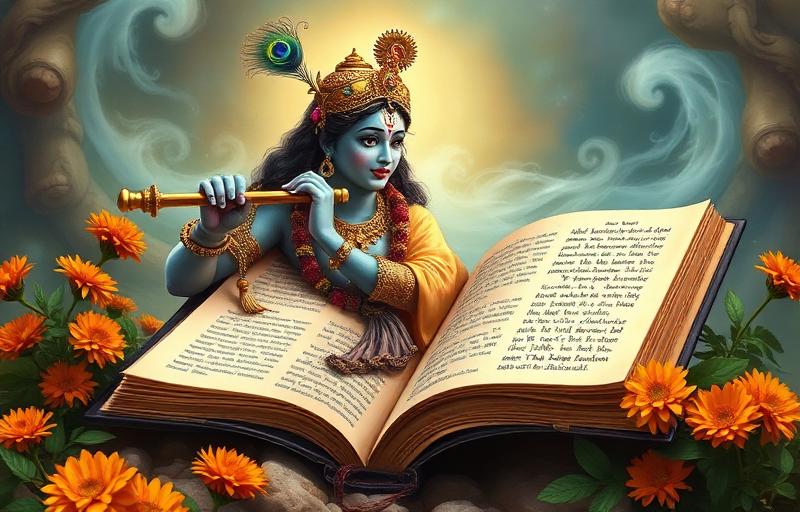
The Kirata episode is remembered across India, but it carries particular weight in the Himalayan belt, and for reasons worth stating.
- It places Shiva among mountain people. In the katha Shiva does not appear as a king or a sage. He appears as a hunter of the hills, dressed and armed like the people of the region.
- It is a story about recognition. Arjuna fights Shiva without knowing who he is, and the turning point is the moment he recognises the divine in a figure he had dismissed.
- It is about the limits of skill. Arjuna, the greatest archer of his age, cannot defeat the hunter. The weapon he wants is given only after that is established.
- It connects several shrines across India. Kadampuzha in Kerala worships Parvati in her Kirata form from the same episode, and Kirateshwar in Sikkim worships Shiva in his. The same story anchors devotion at opposite ends of the country.
For devotees in the eastern Himalaya, the local significance is direct. The word Kirata is used in Sanskrit literature for the peoples of this region, so the tradition holds that Shiva took the form of someone from these hills, which is why the deity here is understood as belonging to the place rather than visiting it.
Hindu Shrines Across Sikkim
Kirateshwar is the oldest and most traditionally significant Hindu shrine in Sikkim, but it is not the only one.
- Kirateshwar Mahadev, Legship - the Kirata form of Shiva on the Rangeet, the state's principal traditional Hindu shrine
- Siddhesvara Dham at Solophok, Namchi - a large modern complex with replicas of the Char Dham temples and a tall Shiva statue, built as a pilgrimage destination
- Hanuman Tok and Ganesh Tok, Gangtok - hilltop shrines above the capital with wide views of the Kanchenjunga range
- Baba Harbhajan Singh Mandir near Nathu La, a shrine to an Indian Army soldier maintained by the forces, which is visited as a memorial and place of faith rather than as a Puranic temple
- Numerous small Shiva and Devi shrines across the Nepali speaking villages of south and west Sikkim
Alongside these stand the state's Buddhist monasteries, including Pemayangtse and Tashiding near Legship itself, and Rumtek near Gangtok.
A visitor to west Sikkim can see this coexistence within a few kilometres. Tashiding monastery, one of the most revered in Sikkim, sits close to Kirateshwar, and devotees of both traditions travel the same roads through the same valley.
Planning a Visit
Legship is on the main road through west Sikkim and is easy to include in a Pelling itinerary.
- Getting there - Legship is about a hundred kilometres from Gangtok and roughly thirty from Pelling, with the nearest railway station at New Jalpaiguri and the nearest airport at Pakyong or Bagdogra
- Best time - March to May and October to December. Bala Chaturdashi in the winter and Mahashivratri in Phalgun bring the largest gatherings.
- Permits - Indian nationals do not need a permit for this area, but foreign nationals require an Inner Line Permit for Sikkim and should check current rules for specific areas
- What to carry - bel patra, flowers, milk, incense and warm clothing, since evenings by the river are cold even outside winter
- Etiquette - remove footwear, keep the riverbank clean, and follow crowd instructions during festival nights
- Nearby - Tashiding monastery, Pemayangtse monastery, Rabdentse ruins, Khecheopalri lake and Pelling's viewpoints
A practical note for festival travel: on Bala Chaturdashi and Mahashivratri, accommodation in Legship and Pelling fills up and the road is busy through the night. Book in advance, travel in daylight where possible, and be prepared for cold riverside conditions if you intend to keep the night vigil.
Common Questions From Devotees
Who is Kirateshwar Mahadev?+
Kirateshwar Mahadev is Shiva worshipped in his Kirata or mountain hunter form, at a temple in Legship, West Sikkim, on the bank of the Rangeet river. Tradition holds that Arjuna performed tapas here for the Pashupatastra.
What is the Kirata katha?+
In the Mahabharata, Shiva came to test Arjuna in the form of a hunter while Arjuna was performing tapas. They fought over who had struck a boar, and after Arjuna recognised him, Shiva revealed himself and granted the Pashupatastra.
What is Bala Chaturdashi at Kirateshwar?+
It is the temple's most distinctive festival, kept in the winter months. Devotees arrive the previous evening, keep a night long vigil beside the Rangeet, and in the morning scatter seeds along the path and around the shrine while remembering their departed family members.
How far is Kirateshwar temple from Pelling?+
Legship is roughly thirty kilometres from Pelling and about a hundred kilometres from Gangtok. The nearest railway station is New Jalpaiguri and the nearest airports are Pakyong and Bagdogra.
Are other Hindu temples worth visiting in Sikkim?+
Yes. Siddhesvara Dham at Solophok near Namchi has replicas of the Char Dham temples and a tall Shiva statue, and Hanuman Tok and Ganesh Tok sit above Gangtok. Small Shiva and Devi shrines are found across south and west Sikkim.
Is a permit needed to visit Kirateshwar Mahadev?+
Indian nationals do not need a permit for this part of Sikkim. Foreign nationals require an Inner Line Permit for the state and should check the current rules, since requirements vary by area.
About the author
Pandit Ravindra Sharma · Vedic Rituals & Bhakti, 22+ years
Pandit Ravindra is the Vandnaa editorial team's resident specialist on aarti, chalisa, and daily devotion. He has performed home and temple pujas across Varanasi and Delhi for over two decades and contributes the bhakti-focused articles on this site.
Meet the Vandnaa editorial team →Explore on Vandnaa
Related Articles
Kadampuzha Bhagavathy: The Kerala Devi Worshipped in a Pit and Covered in Flowers
8 min read
Hindu Temple Heritage in Sikkim, Alongside Its Buddhist Traditions
6 min read
Amarnath Yatra - Significance & Ice Shivling Darshan
9 min read
Kailash Mansarovar Yatra - Significance, Parikrama and Preparation
11 min read