Mangeshi: Shiva as Manguesh
The Shri Mangeshi Temple in Priol village, Ponda taluka, is dedicated to Manguesh, a beloved local form of Lord Shiva and among the most visited Shiva shrines in all of Goa. The temple is instantly recognisable by its tall, whitewashed deepastambha and its distinctive dome, a hallmark of Goan temple architecture that blends indigenous tradition with the visual language of the colonial period it was rebuilt in.
Manguesh is the kuldev (family deity) of many Goan Hindu families, particularly among the Gaud Saraswat Brahmin community, who consider a visit here a deeply personal act of devotion rather than a routine pilgrimage.
The Legend: The Cry That Became a Name
According to a cherished local legend, Lord Shiva once took the form of a tiger while playing a game of dice with Devi Parvati on Mount Kailash, testing her in disguise. Startled and afraid, Parvati is said to have cried out, 'Trahi Maam Girisha,' meaning 'Save me, Lord of the Mountain.' Shiva revealed his true form and comforted her, and over generations, devotees believe, this cry was gently reshaped by loving repetition into the name Manguesh.
As with several of Goa's great temples, tradition holds that the original shrine stood elsewhere, closer to the coast, before it was moved to Priol for safekeeping during the upheavals of the Portuguese colonial era.
Why Mangeshi Is Sacred to Devotees Today
Mangeshi holds a place in the hearts of Goan Hindus that few other shrines match, and its significance runs through both personal faith and cultural memory.
- Devotees pray here for protection, family wellbeing and the resolution of hardships, trusting in Manguesh's grace
- The temple is the kuldev shrine for numerous families who return for weddings, thread ceremonies and other important rites
- Its deepastambha, lit for festivals, has become one of the most recognised images of Goan temple architecture
- The temple's annual zatra draws large gatherings of devotees and is among the most anticipated temple festivals in the region
Darshan Guide: The Sanctum and Temple Tank
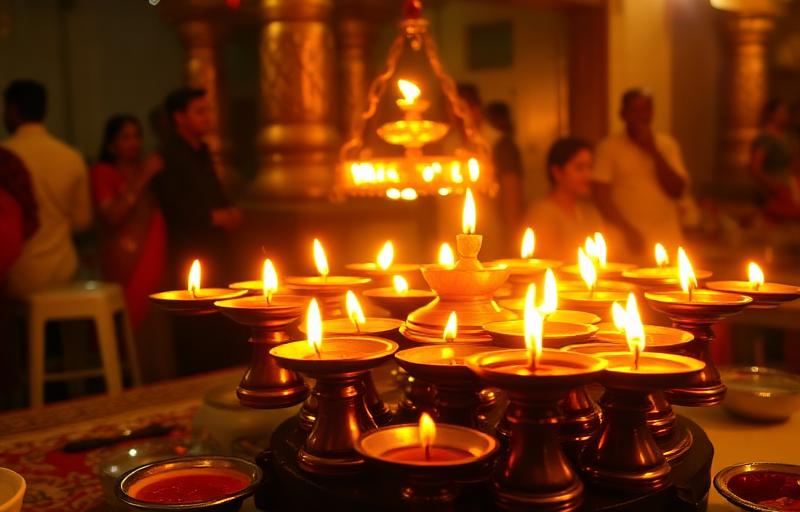
The temple is generally open from early morning until night, with the customary midday closing observed at many Goan temples. Alongside the main sanctum, the temple complex includes a serene tank used for ritual purposes and a large hall where devotees gather during festivals and cultural programmes.
Many devotees try to time their visit for the early morning aarti, when the atmosphere is at its most tranquil, or for the temple's annual zatra, held according to its traditional calendar and marked by processions, music and community feasting.
How to Reach Mangeshi Temple, Priol
Priol lies in Ponda taluka, a short drive from Panaji and well connected by road from Margao and other parts of Goa. The nearest railway station is Karmali, and Goa's airport offers straightforward onward road access, making the temple an easy addition to any pilgrimage circuit in the state.
A Simple Prayer and the Takeaway
Devotees visiting Mangeshi often chant Om Namah Shivaya or the simple invocation Om Mangeshaya Namah, seeking his protection and grace.
The legend of Mangeshi reminds devotees that even a cry of fear, offered in complete faith, can be answered with comfort and presence. Worship at such shrines is an act of faith and love, not a transaction.
Frequently Asked Questions
How did the name Manguesh originate?+
Tradition holds that Devi Parvati cried out 'Trahi Maam Girisha' when Shiva took the form of a tiger to test her, and over generations devotees believe this cry was reshaped into the name Manguesh.
Who traditionally worships Manguesh as their kuldev?+
Manguesh is the family deity of numerous Goan Hindu families, especially within the Gaud Saraswat Brahmin community, who visit for weddings and other important life ceremonies.
Is Mangeshi Temple in its original location?+
Tradition holds the deity was moved from a coastal site to Priol for safety during the Portuguese colonial era, so the present temple is not at the original location.
About the author
Pandit Ravindra Sharma · Vedic Rituals & Bhakti, 22+ years
Pandit Ravindra is the Vandnaa editorial team's resident specialist on aarti, chalisa, and daily devotion. He has performed home and temple pujas across Varanasi and Delhi for over two decades and contributes the bhakti-focused articles on this site.
Meet the Vandnaa editorial team →