The Goddess Who Fulfils Wishes
Mansa Devi is the wish-fulfilling form of Shakti, whose very name comes from mansa (the wish of the mind). The most famous shrine sits atop Bilwa Parvat above Haridwar, overlooking the holy Ganga, while another revered Mansa Devi temple stands in Panchkula near Chandigarh. As the goddess who grants the desires of the heart, she is one of the most visited Devi shrines of north India.
Katha and Significance
Mansa Devi is revered as a form of Shakti who emerged from the mind of Lord Shiva, and in tradition she is regarded as a Nag-kanya connected to the serpent lineage, worshipped for protection and the granting of wishes. Devotees believe that praying to her with a sincere heart makes the wishes of the mind come true. The Haridwar shrine is part of the sacred triad of Mansa Devi, Chandi Devi and Maya Devi, the three Devis whose darshan completes a pilgrimage to Haridwar.
The Sacred Wish-Thread Tree
The most beloved tradition at Mansa Devi is the *tying of a sacred thread (mauli) on a special tree within the temple complex. Devotees tie the thread while making a heartfelt wish, and once the wish is fulfilled they return to untie the thread* as a gesture of gratitude. This living custom, with the tree covered in countless red and yellow threads, is the emotional heart of the shrine and draws devotees from far and wide.
Darshan, Timing and Yatra Tips
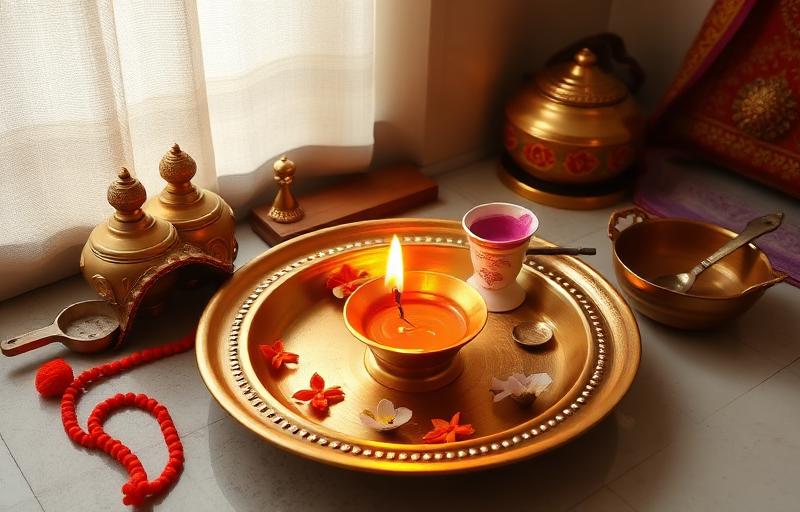
The Haridwar temple usually opens early morning around 5 am to evening, with a midday break in some seasons and morning and evening aartis. The hilltop shrine can be reached by a trek of stairs or a cable car (ropeway) from Haridwar, the latter offering lovely views of the Ganga and the town. Tips: take the ropeway to save the climb, carry water, reach early on weekends, and combine the darshan with Chandi Devi and Maya Devi as well as the Ganga aarti at Har Ki Pauri.
Mantra and How to Pray
Devotees invoke the goddess with:
Om Mansa Devyai Namah
The seed mantra Om Hreem Shreem Mansa Devyai Namah and the universal Durga chant are also recited before her. Bow with folded hands, tie a sacred thread on the wish-tree while making your prayer, and pledge to return when the wish is granted. It is traditional to offer a red chunri, coconut, flowers, sweets and prasad, and to bow with humility and faith.
Festivals and Navratri at Mansa Devi
Mansa Devi draws its largest crowds during Chaitra and Sharad Navratri, when the temple is decorated and lakhs of pilgrims arrive for darshan, often combining it with a holy dip in the Ganga. The shrine is also busy during the Kumbh and Ardh Kumbh melas at Haridwar. Plan a Navratri visit early, expect long ropeway and darshan queues, and keep a calm, devotional mind through the busy crowds.
What People Ask Most
Why is Mansa Devi called the wish-fulfilling goddess?+
Her name comes from mansa, the wish of the mind. Devotees believe that praying to her with a sincere heart makes the wishes of the mind come true, which is why she is revered as the wish-fulfilling goddess.
What is the sacred thread tradition at Mansa Devi?+
Devotees tie a sacred thread on a special tree in the temple while making a wish. When the wish is fulfilled, they return to untie the thread as a gesture of gratitude to the Devi.
Where is Mansa Devi Temple located?+
The most famous Mansa Devi temple sits atop Bilwa Parvat above Haridwar, overlooking the Ganga. Another revered Mansa Devi temple stands in Panchkula near Chandigarh.
How do you reach the Mansa Devi hilltop shrine?+
You can climb the stairs to the hilltop or take the cable car (ropeway) from Haridwar. The ropeway is easier and offers beautiful views of the Ganga and the town below.
What is the mantra of Mansa Devi?+
Devotees chant 'Om Mansa Devyai Namah'. The seed mantra 'Om Hreem Shreem Mansa Devyai Namah' and the universal Durga chant are also recited before her.
Which three Devis are visited together in Haridwar?+
Mansa Devi, Chandi Devi and Maya Devi form the sacred triad of Haridwar. Visiting all three, along with a dip at Har Ki Pauri, is said to complete a pilgrimage to Haridwar.
About the author
Pandit Ravindra Sharma · Vedic Rituals & Bhakti, 22+ years
Pandit Ravindra is the Vandnaa editorial team's resident specialist on aarti, chalisa, and daily devotion. He has performed home and temple pujas across Varanasi and Delhi for over two decades and contributes the bhakti-focused articles on this site.
Meet the Vandnaa editorial team →Explore on Vandnaa
Related Articles
Jwala Ji Temple - Eternal Flame Shakti Peeth Significance & Darshan
9 min read
Chintpurni Temple - Chhinnamastika Shakti Peeth Significance & Darshan
9 min read
Chamunda Devi Temple - Fierce Durga Significance & Darshan
9 min read
Vaishno Devi Aarti & Mantra - Significance, Yatra & Puja Vidhi
9 min read
Durga Chalisa Lyrics in Hindi & English with Meaning
9 min read
Lakshmi Aarti Lyrics – Om Jai Lakshmi Mata (लक्ष्मी आरती)
8 min read