A Devotional Approach, Not a Prediction
When a suitable rishta is delayed, families often feel pressure and turn to anxious shortcuts. The devotional tradition offers something steadier: turning the wait into worship. A marriage mantra is not a magic switch that forces a match, nor a remedy tied to charts or planets. It is a prayer - a way to settle the mind, offer your sincere wish to the Divine, and act with patience while the right person and right time unfold.
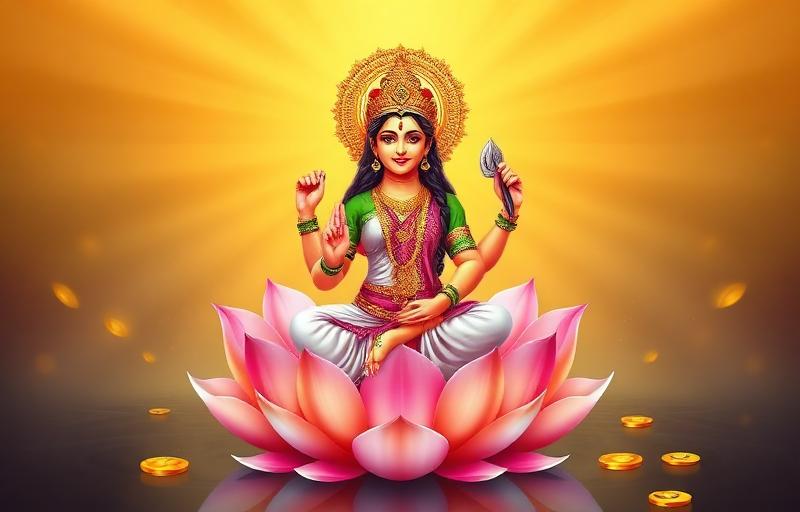
The deities invoked for marriage are Goddess Parvati and Lord Shiva, the eternal couple whose union represents harmony, devotion and lasting companionship. Maa Katyayani, a fierce yet motherly form of Durga, is especially loved by those seeking a good life partner. Approached this way, chanting becomes an act of faith and self-composure - you do your prayer, you keep your effort honest (meeting people, family conversations), and you leave the outcome to grace. That calm trust, more than anything, is the gift of this practice.
The Katyayani Mantra for a Good Life Partner
Maa Katyayani is the sixth form of Navadurga and the deity most associated by devotees with the wish for a loving, suitable spouse - the Gopis themselves are said to have worshipped her to attain Lord Krishna. The traditional prayer is gentle and heartfelt:
कात्यायनि महामाये महायोगिन्यधीश्वरि। नन्दगोपसुतं देवि पतिं मे कुरु ते नमः॥
Katyayani Mahamaye Mahayoginyadhishvari, Nandagopasutam Devi Patim Me Kuru Te Namah.
Meaning: "O Katyayani, great power, supreme among yoginis, O Devi, please grant me a noble life partner; I bow to you." A simpler seed form many chant is ॐ कात्यायन्यै नमः (Om Katyayanyai Namah) - "I bow to Goddess Katyayani."
This prayer is for both women and men seeking a good match - the wording can be kept general ("a noble, devoted partner") rather than naming any person. Chant it with a clean heart, picturing not a fantasy but the qualities you hope for: kindness, honesty, shared values. The mantra carries no demand and no manipulation - only a sincere request placed before the Mother.
Swayamvara Parvati and Gauri-Shiva Mantras
The Swayamvara Parvati mantra recalls how Parvati won Shiva through years of unwavering tapas - making it a beloved prayer for those wishing for a worthy, willing partner. A widely chanted form is:
ॐ ह्रीं योगिनी योगिनी योगेश्वरी योगभयंकरी सकल स्थावर जंगमस्य मुख हृदयं मम वशमाकर्षय स्वाहा॥
Om Hreem Yogini Yogini Yogeshwari Yogabhayankari Sakala Sthavara Jangamasya Mukha Hridayam Mama Vasham Akarshaya Svaha.
Meaning: a prayer to the Goddess of yoga to bring harmony of hearts and a settled, sincere union. For couples and families who prefer the simplest path, worship the divine couple together with ॐ गौरी शंकराय नमः (Om Gauri Shankaraya Namah) - "I bow to Gauri and Shankar."
For Lord Shiva alone, the great five-syllable mantra ॐ नमः शिवाय (Om Namah Shivaya) is always appropriate - it asks for nothing yet purifies the heart and brings patience. Many unmarried women keep the Monday (Somvar) fast and offer water on the Shivling with this mantra, praying for a good householder life. Choose one mantra you feel drawn to rather than mixing many; consistency matters more than quantity.
Vidhi: When and How to Chant

A simple, sincere routine carries more weight than an elaborate one done with stress. Here is a clean daily vidhi:
1. Bathe and wear clean clothes; sit facing east or north on a clean asana. 2. Light a ghee or sesame-oil diya and an incense stick before an image of Maa Parvati, Gauri-Shankar, or your chosen form. 3. Offer a fresh flower or a few akshat (rice) and take a short sankalp (resolve): "I pray for a suitable, devoted life partner and a timely, happy marriage." 4. Chant your chosen mantra with a rudraksha or tulsi mala - one full mala is 108 repetitions; many keep one mala daily, some do three. 5. Close with gratitude, a small pranam, and one minute of silence.
Best time is the Brahma muhurat (roughly 4:30 to 6:00 AM) or the quiet of dusk; the early hours are calm and focused. Tuesday and Friday suit Goddess worship, while Monday suits Shiva. Keep the same time and seat each day - the mind settles faster into devotion when the routine is steady.
Niyam and the Right Inner Attitude
A few simple niyam (disciplines) keep the practice pure. Maintain cleanliness of body and place; keep the mala used only for this japa; avoid chanting in anger or right after an argument - calm yourself first. Many devotees take a vow of a fixed period, such as 21, 40, or 108 days, doing the same count daily without breaking the chain. Keep the wish general and dignified - never use a mantra to control or attract a specific person against their will; that contradicts the spirit of devotion entirely.
The right attitude is the heart of it. Chant as if you are placing a letter in the Mother's hands and trusting her to read it. Continue normal, honest effort - family discussions, meeting prospective matches respectfully, being your best self. If a rishta does not work out, do not blame the mantra or yourself; sometimes a "no" is protection. Devotion teaches surrender (samarpan): you pray, you act, and you let the right union arrive in its own good time.
Supportive Practices and Family Harmony
A marriage prayer flowers best alongside a wholesome life. Keep a tulsi plant at home and water it daily; light a diya in the evening; read the Shiv-Parvati vivah katha or listen to the Gauri aarti on Mondays and Fridays. Acts of seva - feeding others, helping at a temple, donating to a needy bride's wedding - are traditionally believed to remove obstacles in one's own marriage path, and they cultivate the generosity that any good marriage needs.
Equally important is harmony at home. Pray together as a family; let elders bless the seeker; avoid turning the search into a source of tension or comparison. When the household atmosphere is warm and respectful, the seeker feels supported rather than pressured, and that emotional steadiness makes meeting matches far easier. Remember the goal is not merely to get married but to enter a happy, lasting partnership - so cultivate patience, kindness and faith now, because those are the very qualities that will sustain the marriage when it comes.
Frequently Asked Questions
Which mantra is best for a delayed marriage or rishta?+
The Katyayani mantra (Om Katyayanyai Namah, or the fuller Patim Me Kuru verse) is the most loved prayer for a good life partner, and the Swayamvara Parvati mantra is chanted for a willing, worthy match. If you prefer simplicity, Om Gauri Shankaraya Namah or Om Namah Shivaya works beautifully. Pick the one you feel connected to and chant it consistently rather than switching between many.
Is a marriage mantra the same as kundli matching or astrology?+
No. A mantra is purely devotional - a sincere prayer offered to the Divine to settle the mind and invite grace. It is not a horoscope, a birth-chart reading, or a planetary remedy, and it makes no prediction. We do not recommend tying these prayers to any astrological claim. Chant them as faith and self-composure, continue honest effort, and leave the timing to grace.
How many times and for how many days should I chant?+
One mala of 108 repetitions daily is a beautiful baseline; some devotees do three malas. Many take a sankalp of 21, 40, or 108 continuous days, keeping the same count each day without breaking the chain. There is no fixed obligation - consistency and a calm heart matter more than a large number. If you miss a day, simply resume sincerely the next day rather than feeling guilty.
Can I chant a mantra to marry one specific person?+
The devotional tradition strongly advises keeping the wish general and dignified - pray for a suitable, devoted partner, not to control or attract a specific person against their will. Using mantras to manipulate another's free will contradicts the very spirit of bhakti. Pray for the right union and the wisdom to recognise it, and let grace, not force, bring the relationship that is genuinely good for you.
Can both men and women chant these mantras?+
Yes. While the Katyayani verse is traditionally associated with women seeking a husband, the worship of Gauri-Shankar and the chanting of Om Namah Shivaya are universal and entirely suitable for men and women alike. The wording of any sankalp can be kept general - a noble, devoted life partner - so anyone seeking a happy marriage may chant with full faith.
What if the marriage still takes time after chanting?+
Devotion is not a transaction with a guaranteed deadline. If timing is taking longer, treat it as a period of preparation rather than failure - sometimes a delay or a 'no' is quiet protection. Continue your prayer, your honest effort and your seva, and cultivate patience and trust. The same calm faith you build now is what will steady your marriage when it arrives, so the practice is never wasted.
About the author
Acharya Vinaya Kapoor · M.A. Sanskrit, Mantra & Stotra Studies
Acharya Vinaya holds an M.A. in Sanskrit from Banaras Hindu University and writes the mantra and stotra commentary on Vandnaa. Her focus is on accurate pronunciation, traditional context, and helping modern readers connect with classical texts.
Meet the Vandnaa editorial team →