What Is Mauni Amavasya
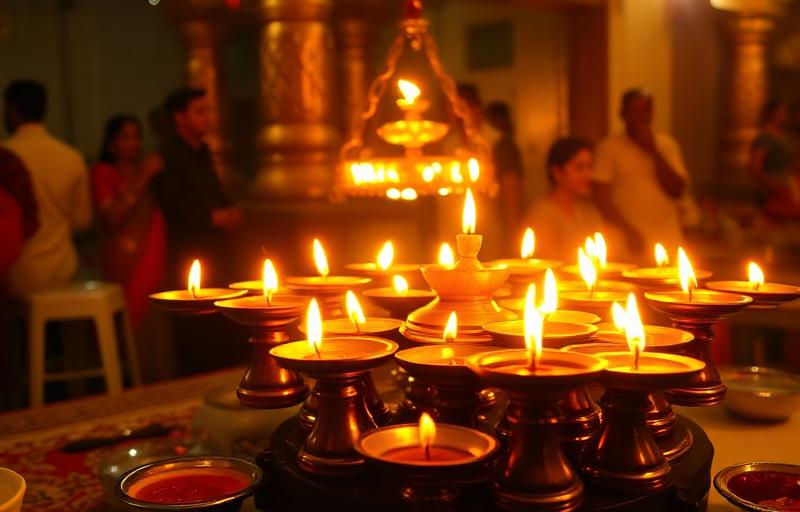
Mauni Amavasya is the new-moon (Amavasya) day of the month of Magha, falling around January-February. The word mauni comes from maun, meaning silence, because observing silence on this day is considered highly meritorious. It is one of the most sacred days for taking a holy dip, especially during the Magh Mela and Kumbh at Prayagraj. The day is dedicated to inner purification, charity and prayers for ancestors and the soul.
Significance and When It Falls
Mauni Amavasya falls on Magha Amavasya (January-February) every year. The whole month of Magha is considered spiritually charged, and its Amavasya is its peak. It is believed that on this day the waters of holy rivers, especially the Ganga and the Sangam (the confluence of Ganga, Yamuna and the unseen Saraswati at Prayagraj), turn into nectar. A bath, silence and charity on this day are said to wash away sins of many lifetimes. For the exact 2027 date and snan muhurat, confirm on the Vandnaa Panchang.
The Practice of Maun (Silence)
The heart of this day is maun - the conscious observance of silence. By staying silent and turning the mind inward, the devotee conserves spiritual energy, calms the restless senses, and deepens self-reflection and meditation. Even if full silence through the day is difficult, one can keep a few hours of mauna in the morning, avoiding gossip, anger and unnecessary talk. The silence is not merely of the tongue but of the mind - a quiet, prayerful state that prepares the soul to receive grace.
Holy Snan Vidhi at Ganga and Sangam
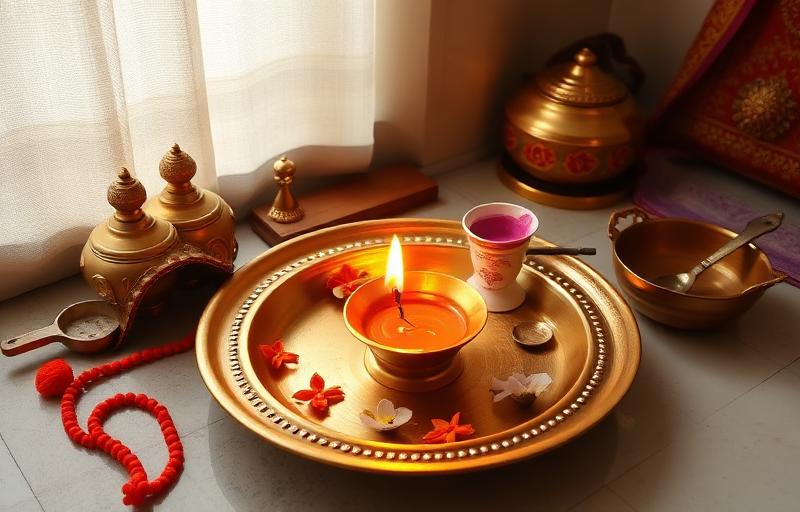
The sacred bath is the central act of Mauni Amavasya: 1. Rise before sunrise during the Brahma muhurat and keep silence from waking. 2. Take a dip in the Ganga, Sangam, or another holy river; if travel is not possible, add Ganga jal to your bathing water at home. 3. While bathing, mentally chant 'Om Namah Shivaya' or the Gayatri Mantra and remember your ancestors. 4. After the bath, offer arghya (water) to the rising Sun with folded hands. 5. Do not break silence until your morning prayers, snan and sankalp are complete. 6. Light a lamp, worship Lord Vishnu and Shiva, and then proceed to charity.
Daan Vidhi and Ancestor Remedies
Charity (daan) is greatly emphasised on Mauni Amavasya: 1. Donate black sesame (til), blankets, warm clothes, ghee and food, as Magha falls in the cold season. 2. Offer tarpan and pind-daan to ancestors, or give food and clothing to Brahmins in their name. 3. Donate grains, gud (jaggery), and a lamp; gifting sesame and a blanket is considered especially powerful. 4. Feed cows, birds, the poor and the needy. 5. Offer water with black sesame to the peepal tree and your ancestors for pitru peace. Daan done in silence with a humble heart is believed to multiply its merit many times over.
Benefits of Observing Mauni Amavasya
Observing Mauni Amavasya with a holy bath, silence and charity is believed to purify body and mind, wash away sins, and bring peace to the soul and to departed ancestors. The discipline of silence calms the mind, sharpens focus and deepens devotion. The combination of snan, maun and daan on this day is regarded as one of the simplest yet most powerful ways to earn lasting punya and spiritual progress.
Reader Questions Answered
What is Mauni Amavasya?+
Mauni Amavasya is the no-moon day of the month of Magha (January-February). The name comes from maun (silence), and it is one of the holiest days for a sacred bath, silence and charity.
When does Mauni Amavasya fall in 2027?+
It falls on the Magha Amavasya, around January-February 2027. For the exact date and the snan muhurat, confirm on the Vandnaa Panchang.
Why is silence (maun) observed on this day?+
Silence conserves spiritual energy, calms the senses and deepens reflection and meditation. Even a few hours of maun in the morning, free of gossip and anger, carries great merit.
Where should the holy snan be taken?+
Ideally in the Ganga or the Sangam at Prayagraj, especially during the Magh Mela or Kumbh. If travel is not possible, add Ganga jal to your bathing water and bathe at home with devotion.
What should be donated on Mauni Amavasya?+
Donate black sesame, blankets, warm clothes, ghee, grains, jaggery and food, and feed the needy. Giving sesame and a blanket and offering tarpan to ancestors are considered especially powerful.
How is Mauni Amavasya connected to ancestors?+
Amavasya is traditionally linked to ancestors. On Mauni Amavasya, tarpan, pind-daan and charity in their name, along with offering sesame-water to the peepal tree, bring peace to departed elders.
About the author
Pandit Mahesh Trivedi · Festival Traditions & Panchang
Pandit Mahesh leads the festival-date and Panchang content on Vandnaa. He cross-references multiple regional panchangs (Drik, Vaishnava, Bengali, Marathi) for every festival date published on the site.
Meet the Vandnaa editorial team →Explore on Vandnaa
Related Articles
Gayatri Mantra Meaning, Benefits & How to Chant (गायत्री मंत्र)
12 min read

Om Namah Shivaya Mantra Benefits & Meaning (ॐ नमः शिवाय)
9 min read
Vishnu Aarti Lyrics - Om Jai Jagdish Hare in Hindi & English
8 min read
Tulsi Plant at Home: Right Direction, Vastu Rules & 9 Sacred Benefits Every Hindu Should Know
8 min read
Somvati Amavasya 2026 - Significance, Puja Vidhi & Remedies
9 min read
Gau Mata Puja - Significance, Benefits & Vidhi to Worship the Cow
9 min read