What Is Ram Darbar
Ram Darbar is the sacred grouping that depicts Lord Ram seated in his royal court (darbar) with his consort Sita, his devoted brother Lakshman, and his greatest devotee Hanuman at his feet. It captures the moment of Ram's return to Ayodhya and his coronation as the ideal king. The Darbar is one of the most loved images in Hindu homes because it represents not just God, but a complete picture of dharma, love, loyalty and devotion living together in harmony.
The Four Figures and Their Meaning
Each figure in the Darbar teaches a virtue: 1. Ram - Maryada Purushottam, the ideal man and king, the embodiment of dharma and truth. 2. Sita - Janaki, the ideal of purity, patience and steadfast devotion to her husband and duty. 3. Lakshman - the model of selfless service, loyalty and sacrifice toward his elder brother. 4. Hanuman - the supreme devotee whose surrender and strength show what true bhakti means. Together they form a picture of the perfect, harmonious family bound by love and duty.
Significance of Worshipping Ram Darbar
Worshipping the Ram Darbar is believed to bring peace, unity and harmony to the family, since the image itself is a lesson in ideal relationships. It strengthens the bonds between husband and wife, brothers and devotees, and invites the qualities of patience, righteousness and mutual respect into the home. Devotees keep Ram Darbar in the pooja room to invoke dharma in daily life and to feel the protective presence of Ram, Sita, Lakshman and Hanuman together.
Ram Mantra and Jap
The simplest and most powerful chant is the Ram Naam:
Shri Ram Jai Ram Jai Jai Ram
Other beloved mantras are:
Om Sri Ramaya Namah
Sri Ram Jai Ram Kodanda Ram
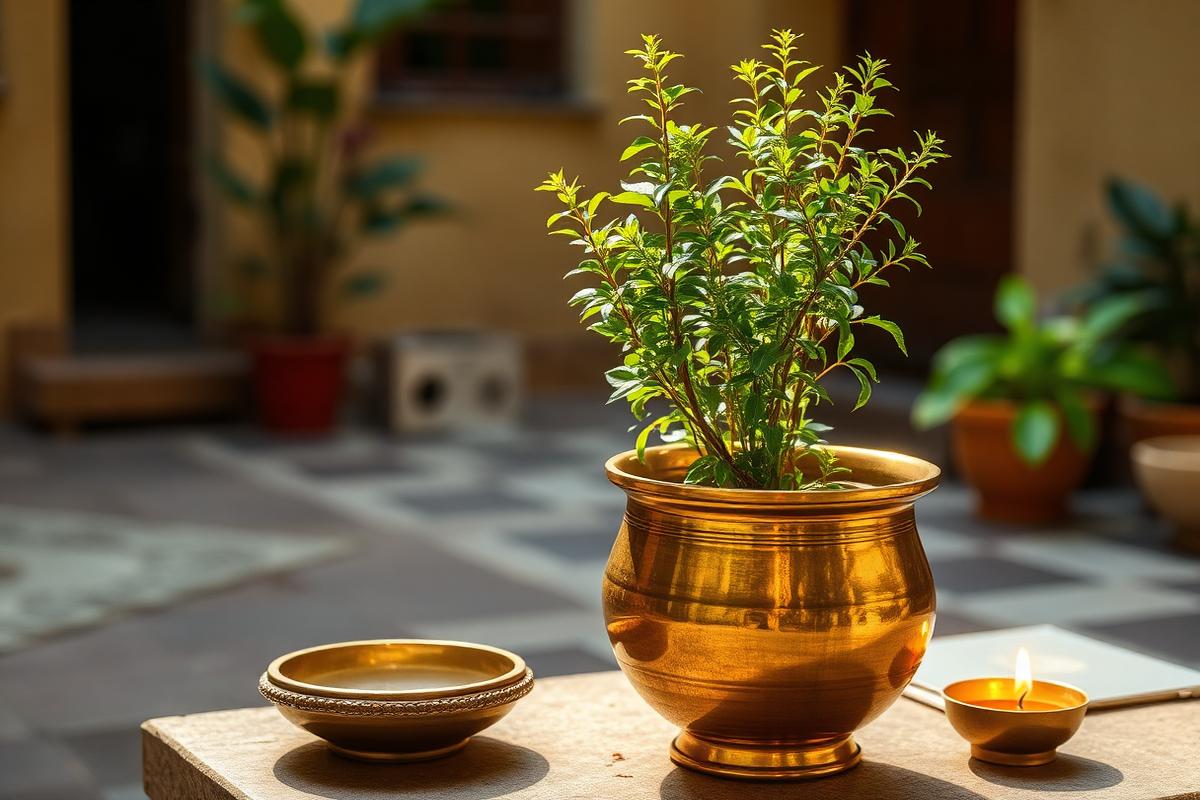
Repeating 'Shri Ram Jai Ram Jai Jai Ram' on a tulsi mala calms the mind, and the name of Ram is itself considered a taraka mantra that carries the devotee across the ocean of worldly troubles.
Ram Darbar Puja Vidhi
1. Bathe and wear clean clothes; clean the pooja space and place the Ram Darbar facing east or north. 2. Light a ghee lamp and incense, and offer fresh yellow or white flowers. 3. Apply tilak and offer tulsi leaves, fruit and sweets such as panjiri or kheer as bhog. 4. Recite the Ram naam, then chant 'Shri Ram Jai Ram Jai Jai Ram' 108 times. 5. Read a few verses of the Ramayana or Sundarkand, then perform the Ram aarti. 6. Distribute the prasad and pray for family harmony and righteous living. Ram Navami, Tuesdays and Ekadashi are especially auspicious for this worship.
Benefits of Ram Darbar at Home
Keeping and worshipping the Ram Darbar is believed to bring peace and unity to the family, strengthen marital and sibling bonds, and fill the home with positive, dharmic energy. It inspires the household toward truth, patience and service, removes quarrels and misunderstandings, and invites the combined blessings of prosperity, protection and devotion that Ram, Sita, Lakshman and Hanuman represent.
Placement and Worship Tips
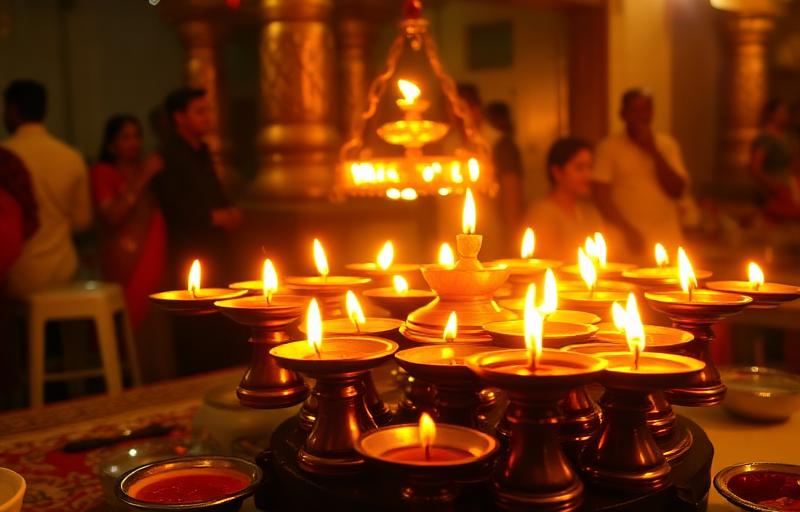
Place the Ram Darbar in the east or north-east of the pooja room, at a height where the deities' eyes meet the worshipper. Keep Hanuman at Ram's feet as tradition shows. Worship daily with a simple lamp and the Ram naam even when time is short, since the name of Ram is the heart of this worship and needs no elaborate ritual.
Reader Questions Answered
Who are the figures in the Ram Darbar?+
Ram Darbar shows Lord Ram seated with his wife Sita, his brother Lakshman and his devotee Hanuman at his feet. Together they represent dharma, devotion, loyalty and family harmony.
What is the main Ram mantra to chant?+
The simplest and most powerful chant is 'Shri Ram Jai Ram Jai Jai Ram'. Other forms include 'Om Sri Ramaya Namah'. The name of Ram alone is considered a taraka mantra that liberates the devotee.
Why is Hanuman shown at Ram's feet?+
Hanuman is Ram's greatest devotee, and sitting at his feet shows perfect surrender and humility. His presence in the Darbar represents what true bhakti and selfless service mean.
What are the benefits of keeping Ram Darbar at home?+
It is believed to bring peace and unity, strengthen marital and sibling bonds, remove quarrels, and fill the home with dharmic, positive energy along with the blessings of Ram, Sita, Lakshman and Hanuman.
Which direction should Ram Darbar face?+
Place the Ram Darbar in the east or north-east of the pooja room, with the deities facing east or north, at a height where their eyes meet the worshipper's gaze.
Which days are best for Ram Darbar puja?+
Ram Navami is the most auspicious day, and Tuesdays and Ekadashi are also favoured. Daily worship with a simple lamp and the Ram naam is enough when time is short.
About the author
Acharya Vinaya Kapoor · M.A. Sanskrit, Mantra & Stotra Studies
Acharya Vinaya holds an M.A. in Sanskrit from Banaras Hindu University and writes the mantra and stotra commentary on Vandnaa. Her focus is on accurate pronunciation, traditional context, and helping modern readers connect with classical texts.
Meet the Vandnaa editorial team →Explore on Vandnaa
Related Articles

Shri Ram Aarti - Lyrics, Meaning & Aarti Vidhi
8 min read
Panchmukhi Hanuman - Significance, Mantra & Benefits
9 min read
Hanuman Chalisa Lyrics in Hindi & English (हनुमान चालीसा)
12 min read
Sita Mata Aarti, Mantra & Significance
8 min read
Hanuman Aarti Lyrics in Hindi & English - Aarti Kije Hanuman Lala Ki
9 min read
Sankatmochan Hanuman Ashtak - Lyrics, Meaning & Benefits
8 min read