What Is the Sankatmochan Hanuman Ashtak
The Sankatmochan Hanuman Ashtak is a stotra of eight verses (ashtak) composed by Goswami Tulsidas, the author of the Ramcharitmanas. Sankatmochan means 'the remover of troubles', a beloved name of Lord Hanuman. Each of the eight verses recalls a moment when Hanuman saved someone from great danger - from lifting Govardhan-like burdens to rescuing Lakshman and Sita - and ends with the refrain pleading, 'Ko nahin jaanat hai jag mein kapi, sankatmochan naam tiharo' - who in the world does not know your name, O remover of troubles.
Significance and When to Recite
The Ashtak is recited above all in times of crisis, fear, illness or sudden trouble, when one needs swift relief. It is short and easy to memorise, so devotees recite it daily, after the Hanuman Chalisa, or whenever danger or anxiety strikes. Tuesday and Saturday are Hanuman's days, and reciting the Ashtak then or during the Brahma muhurta (early dawn) is considered especially powerful.
Opening Verses and Refrain
The Ashtak opens by recalling Hanuman's birth and might:
Baal samay ravi bhaksh liyo tab, teenahu lok bhayo andhiyaaro. Taahi so traas bhayo jag ko, yah sankat kaahu so jaat na taaro.
Refrain (after each verse): Ko nahin jaanat hai jag mein kapi, sankatmochan naam tiharo.
Each verse describes a different rescue and closes with this refrain, affirming that no trouble is too great for the lord of strength to dissolve.
Path Vidhi - How to Recite
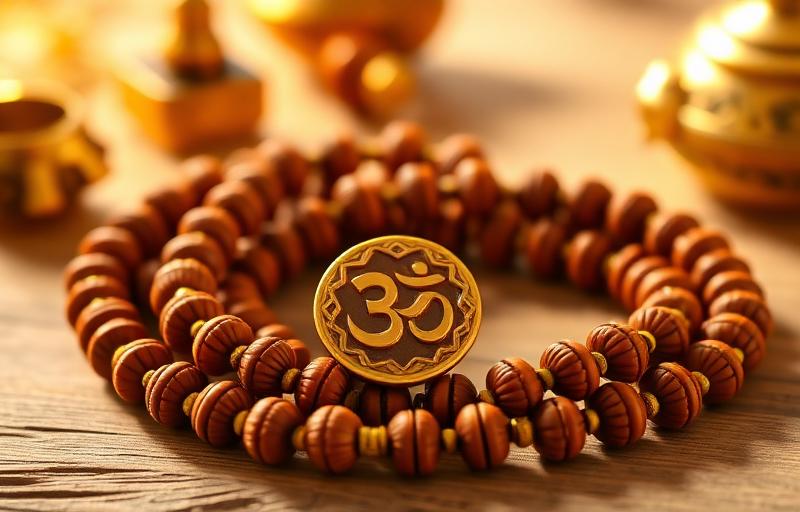
1. Bathe and sit before an image of Hanuman, ideally on Tuesday or Saturday or in the early morning. 2. Light a lamp with chameli (jasmine) oil and offer red flowers, sindoor and boondi laddoo. 3. Begin by remembering Lord Ram and Sita, then recite the Hanuman Chalisa if you wish. 4. Recite all eight verses of the Ashtak with the refrain, clearly and with faith. 5. For relief in a crisis, recite it 7, 11 or 21 times with full concentration. 6. Close by bowing and praying for protection and courage. Reciting it regularly, even once daily, builds lasting protection and fearlessness.
Benefits of the Hanuman Ashtak
Reciting the Sankatmochan Hanuman Ashtak is believed to remove sudden troubles, fear and obstacles, protect from enemies, accidents and negative energy, calm anxiety and restore courage, and bring quick relief in moments of crisis. Because Hanuman is the greatest devotee of Ram, his grace also deepens faith and steadies the mind through life's hardest tests.
Ashtak and Chalisa Together
The Hanuman Chalisa has forty verses of praise, while the Ashtak has eight verses focused purely on rescue from trouble. Many devotees recite the Chalisa first for devotion and then the Ashtak for protection, ending with 'Bajrang Baan' or a simple Ram mantra. Together they form a complete and time-tested practice for daily strength and emergency relief.
What People Ask Most
What is the Sankatmochan Hanuman Ashtak?+
It is an eight-verse stotra by Tulsidas praising Hanuman as the remover of troubles. Each verse recalls how he rescued devotees in crisis and ends with a refrain to his name.
Who wrote the Hanuman Ashtak?+
It was composed by Goswami Tulsidas, the saint-poet who also wrote the Ramcharitmanas and the Hanuman Chalisa, in the Awadhi language.
When should the Hanuman Ashtak be recited?+
It is recited in times of crisis, fear or illness for swift relief, and daily for protection. Tuesday, Saturday and the early dawn are considered especially powerful.
How many times should I recite it in a crisis?+
For relief in a crisis, devotees recite the Ashtak 7, 11 or 21 times with full concentration and faith, before an image of Hanuman with a jasmine oil lamp lit.
What is the difference between the Ashtak and the Chalisa?+
The Chalisa has forty verses of praise, while the Ashtak has eight verses focused on rescue from trouble. Many recite the Chalisa for devotion and the Ashtak for quick protection.
What are the benefits of the Hanuman Ashtak?+
It is believed to remove sudden troubles, fear and obstacles, protect from enemies and negativity, calm anxiety, restore courage and bring quick relief in moments of crisis.
About the author
Acharya Vinaya Kapoor · M.A. Sanskrit, Mantra & Stotra Studies
Acharya Vinaya holds an M.A. in Sanskrit from Banaras Hindu University and writes the mantra and stotra commentary on Vandnaa. Her focus is on accurate pronunciation, traditional context, and helping modern readers connect with classical texts.
Meet the Vandnaa editorial team →Explore on Vandnaa
Related Articles
Hanuman Chalisa Lyrics in Hindi & English (हनुमान चालीसा)
12 min read
Hanuman Chalisa Meaning, Benefits & How to Chant (हनुमान चालीसा अर्थ)
10 min read
Hanuman Aarti Lyrics in Hindi & English - Aarti Kije Hanuman Lala Ki
9 min read
Panchmukhi Hanuman - Significance, Mantra & Benefits
9 min read
Shri Ram Aarti - Lyrics, Meaning & Aarti Vidhi
8 min read
Ram Darbar - Significance, Puja Vidhi & Mantra
9 min read