What Is Sandhya Vandana
Sandhya Vandana is one of the oldest daily practices (nitya karma) in the Vedic tradition - a prayer offered at the sandhya, the meeting points of the day. It is performed at the three twilights: dawn (pratah), noon (madhyahnika) and dusk (sayam). Its heart is the worship of the Sun (Surya) as the visible form of the divine and the chanting of the Gayatri Mantra, which purifies the mind and connects the seeker to cosmic light.
The Three Sandhyas and Their Timings
The practice is tied to the natural rhythm of the day: 1. Pratah Sandhya - at dawn, just before or around sunrise, facing east. 2. Madhyahnika - at midday, around noon, facing the sun overhead. 3. Sayam Sandhya - at dusk, around sunset, facing west. The two twilights of dawn and dusk are the most important, as they mark the transition between night and day. Even a short, sincere practice at these times steadies the mind and frames the day in devotion.
Achaman and Sankalp
Begin with purification: 1. Sit on a clean mat in a quiet, clean space, facing the right direction for the time of day. 2. Perform achaman - sip a little water from the right palm three times while reciting Om Achyutaya Namah, Om Anantaya Namah, Om Govindaya Namah. 3. Sprinkle a little water around for prokshana (cleansing the space and body). 4. Make a brief sankalp, stating that you are performing the sandhya of that twilight. This settles the body and signals the mind to move from daily activity into prayer.
Pranayama and Gayatri Japa

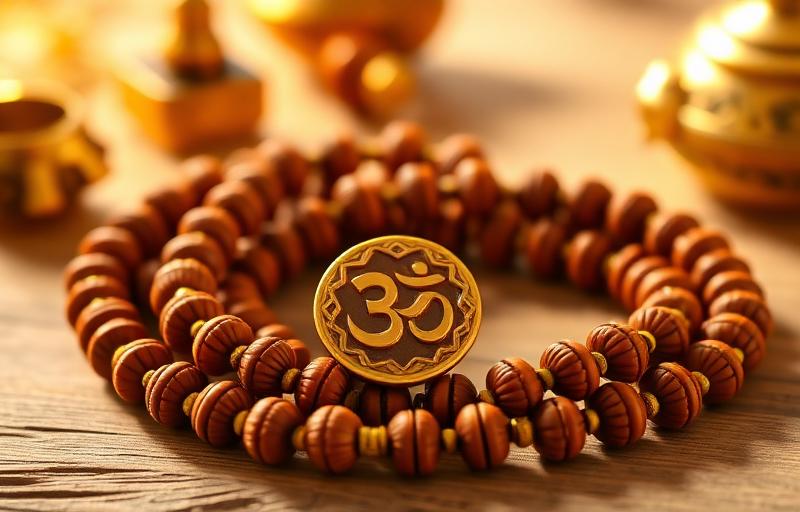
Next, calm the breath and chant the central mantra: 1. Perform a few rounds of pranayama - slow, gentle breathing to steady body and mind. 2. Sit upright with a calm gaze and chant the Gayatri Mantra, ideally 10, 28 or 108 times on a tulsi or rudraksha mala:
Om Bhur Bhuvah Svah, Tat Savitur Varenyam, Bhargo Devasya Dhimahi, Dhiyo Yo Nah Prachodayat.
The mantra is a prayer to the divine light of Savitr (the Sun) to illumine and inspire our intellect.
Offering Arghya to Surya
Arghya is the offering of water to the Sun, the visible form of the divine. Stand facing the sun, take water in a small kalash or both palms, and slowly pour it out while looking toward the sun through the falling stream, reciting the Gayatri Mantra. At dawn and noon, offer arghya standing; at dusk, it may be offered seated. This simple act expresses gratitude for light, life and energy, and is the devotional climax of the sandhya.
Significance and Benefits
Sandhya Vandana disciplines the day with prayer at its natural turning points, bringing mental steadiness, clarity and a sense of gratitude. The Gayatri Mantra is believed to sharpen the intellect and purify thought, while the breath work calms the nervous system. As a daily practice, it builds a quiet, consistent connection with the divine that does not depend on elaborate rituals or temples.
Tips for Beginners

If the full vidhi feels long, begin with a simple version - achaman, a few rounds of pranayama, eleven Gayatri japa and arghya to the sun. Keep a fixed time and a clean corner for the practice. Consistency matters more than length; a sincere five minutes at dawn and dusk is better than an elaborate practice done rarely. Learn the correct pronunciation of the Gayatri Mantra from a teacher or recording.
Quick Answers
What does Sandhya Vandana mean?+
Sandhya Vandana means salutation at the sandhya, the junctions of the day. It is a daily prayer offered at dawn, noon and dusk, centred on Gayatri Mantra japa and offering arghya to the Sun.
At what times should Sandhya Vandana be done?+
It is done at the three twilights - dawn (pratah), noon (madhyahnika) and dusk (sayam). The dawn and dusk sandhyas are the most important, marking the transition between night and day.
What is arghya in Sandhya Vandana?+
Arghya is the offering of water to the Sun. You pour water from your palms or a kalash while reciting the Gayatri Mantra, looking at the sun through the falling stream, as an act of gratitude for light and life.
Why is the Gayatri Mantra central to this practice?+
The Gayatri Mantra is a prayer to the divine light of the Sun to illumine and inspire the intellect. It is considered the most purifying Vedic mantra and forms the heart of Sandhya Vandana.
Can beginners do a shorter Sandhya Vandana?+
Yes. A simple version of achaman, a few rounds of pranayama, eleven Gayatri japa and arghya to the sun is enough to begin. Consistency at dawn and dusk matters more than length.
Why is achaman done at the start?+
Achaman is sipping water three times for inner and outer purification. It cleanses the body, calms the mind and marks the shift from daily activity into prayer before the main practice begins.
About the author
Acharya Vinaya Kapoor · M.A. Sanskrit, Mantra & Stotra Studies
Acharya Vinaya holds an M.A. in Sanskrit from Banaras Hindu University and writes the mantra and stotra commentary on Vandnaa. Her focus is on accurate pronunciation, traditional context, and helping modern readers connect with classical texts.
Meet the Vandnaa editorial team →Explore on Vandnaa
Related Articles
Gayatri Mantra Meaning, Benefits & How to Chant (गायत्री मंत्र)
12 min read
Satyanarayan Puja Vidhi, Samagri & Prasad - Step by Step Guide
10 min read
Temple Etiquette - Dos, Don'ts & Rules for Mandir Darshan
8 min read
Panch Tatva - The Five Elements in Worship & Life
9 min read
Home Mandir Setup - Direction, Vastu Rules, Dos and Don'ts
9 min read

Om Namah Shivaya Mantra Benefits & Meaning (ॐ नमः शिवाय)
9 min read