What Sawan Purnima Actually Is
Sawan Purnima, also called Shravan Purnima, is the full moon tithi that closes the Hindu month of Shravan, falling this year on Friday, 28 August 2026. In the Purnimant calendar system followed across much of North India, a lunar month runs from one full moon to the next, which is exactly why Purnima marks Shravan's final day rather than its midpoint, the entire 30-day arc of Sawan 2026, beginning 30 July, builds toward this specific closing tithi.
Most devotees know this date primarily as Raksha Bandhan, and that overlap is real and meaningful, covered in more depth elsewhere. But Shravan Purnima carries its own, older layer of significance entirely independent of the sibling festival that happens to share its date this year: it is the day Shravan's month-long arc of fasting, abhishek and mantra practice formally concludes, and Hindu tradition treats the closing day of any sacred month as carrying unusually concentrated merit for two specific acts, snan (ritual bathing) and daan (charitable giving).
The underlying logic is fairly intuitive once stated plainly: a month spent building devotional discipline reaches a natural high point on its final day, and actions performed at that high point, tradition holds, are amplified by everything that preceded them. This is part of why many households treat 28 August with a level of ritual seriousness closer to a major festival than an ordinary Friday, quite apart from whatever Raksha Bandhan celebrations happen alongside it.
The sections that follow separate these two closing-day threads clearly, first the snan and daan practices tied specifically to Shravan Purnima itself, and later, in a companion piece, the calendar mechanics that explain why Raksha Bandhan lands on this exact date every single year.
The Significance of Snan on Shravan Purnima
Ritual bathing on Purnima days carries meaning throughout the Hindu calendar, but Shravan Purnima specifically combines two reinforcing layers: the general sanctity full moon bathing holds year-round, and the closing-of-Shiva's-month emphasis unique to this particular Purnima.
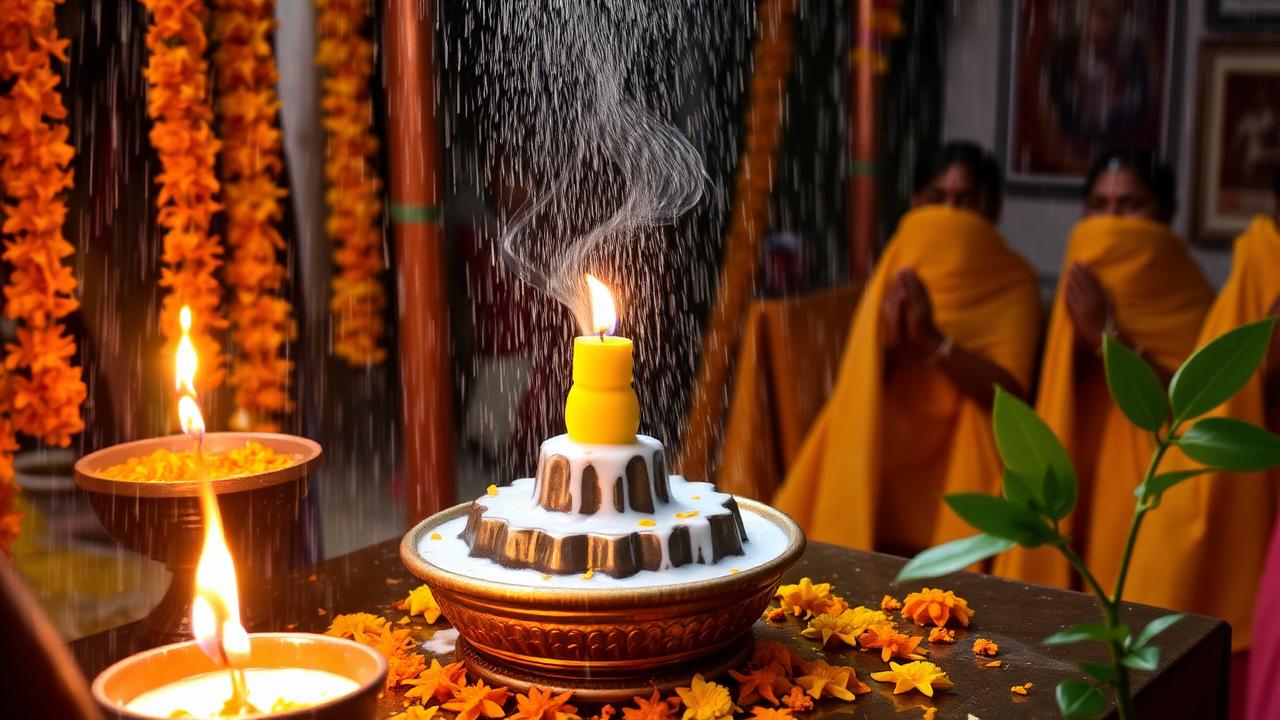
Bathing in a holy river, the Ganga, Narmada, Godavari or a similarly revered water body, is considered the most complete form of this observance, and pilgrimage sites along these rivers typically see a marked rise in visitors in the days around Shravan Purnima specifically for this reason. For the large majority of devotees unable to travel to a river on a specific date, tradition offers a fully accepted home alternative: bathing at home with plain water to which a small amount of Ganga jal (if available), til (sesame seeds) or a few drops of milk have been added, performed ideally during Brahma Muhurat, the pre-dawn hours roughly 96 minutes before sunrise.
The symbolic logic behind why bathing carries such weight on this specific day connects to the month it closes: Sawan has been spent in repeated acts of purification, abhishek offered to Shiva, fasting observed by the body, and the final Purnima's snan is understood as extending that same purificatory intention to the devotee's own self, a closing cleanse that mirrors the abhishek performed on the deity all month.
Many devotees pair this bath with a short sankalp, a spoken intention, acknowledging the month's practice and consciously carrying its discipline forward, before continuing into whatever daan or puja rituals follow later that same morning.
Why Daan on This Specific Day Differs From General Sawan Giving
Sawan's closing fortnight already carries an elevated emphasis on charitable giving, but Purnima daan specifically is treated as distinct, believed to carry forward the accumulated merit of the entire month rather than standing as one more daily act of charity among many. Tradition frames it less as "another day to give" and more as the day the month's giving culminates.
A few items are specifically associated with Purnima daan across Hindu tradition generally, beyond the til, grain and cloth already central to Sawan's broader daan practice:
- Kheer (rice pudding) and milk-based sweets, offered first to the deity and then distributed as prasad or given to those in need, connect to Purnima's moon symbolism, milk and rice both associated with coolness, abundance and the moon's nourishing quality.
- White items specifically, white cloth, white flowers, silver where affordable, carry added resonance on a full moon day, echoing the moon's own light and Shiva's characteristic simplicity.
- Cows and gaushala support receive particular emphasis on Shravan Purnima in many communities, tying together the month's Nandi-linked reverence for cattle with the day's own giving intensity.
- Feeding Brahmins and the needy together, rather than as separate acts, is a specifically Purnima-associated practice in several regional traditions, symbolizing the full circle of a month's devotion completing itself in one shared meal.
For devotees who have been giving steadily through Sawan's final fortnight already, Purnima daan is less about a dramatically larger gesture and more about a deliberate, conscious closing act, ideally performed after the morning's snan, that formally seals the month's charitable practice rather than letting it trail off without a clear final gesture.
Rituals Beyond Bathing: What Else Households Do on This Day
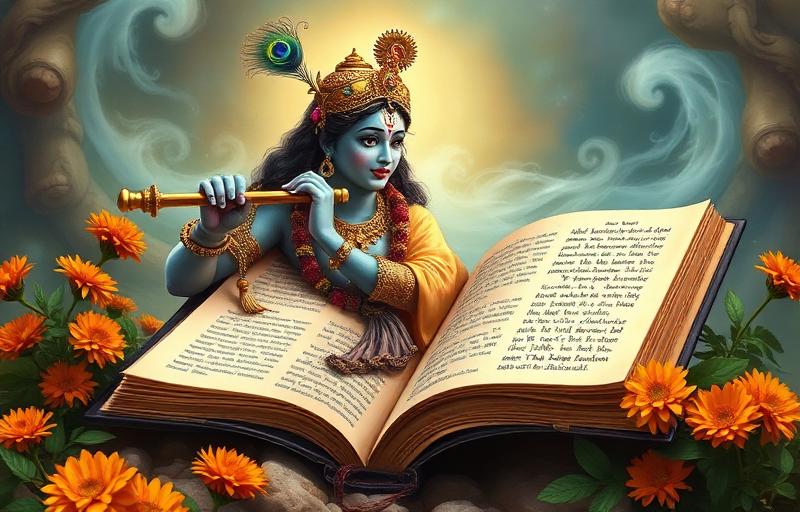
Shravan Purnima carries an interesting dual character worth understanding: it closes Shiva's month, yet Purnima days generally, across the Hindu calendar, are also strongly associated with Vishnu worship, since Vishnu is traditionally invoked on full moon days across many months of the year (Kartik Purnima and Guru Purnima being other well-known examples). Many households therefore observe both threads on 28 August: a closing Rudrabhishek for Shiva in the morning, alongside a Satyanarayan Puja, a Vishnu-focused ritual widely performed on Purnima days, later in the day.
This is not a contradiction devotees need to resolve; Hindu household practice comfortably holds both threads simultaneously, honoring the specific deity of the closing month while also observing the general tithi's own Vishnu association. Satyanarayan Puja on this particular Purnima often draws extended family together, given its overlap with Raksha Bandhan gatherings already bringing siblings and relatives to one home.
Other common closing-day rituals include a final, more elaborate Rudrabhishek than the standard weekly version, sometimes performed with a priest rather than at home, and a formal closing of the Sawan puja corner, cleaning the space thoroughly, replacing faded flowers or a worn thread, and consciously deciding what continues into the months ahead versus what was specific to Shravan.
Some households also perform a small Nag Devta puja echo on this day, given Nag Panchami's proximity earlier in the month (17 August 2026), particularly in regions where snake worship carries strong regional tradition, though this is far less universal than the Shiva and Vishnu-focused rituals described above.
A Graduation Day: Why This Feels Different From an Ordinary Closing
Devotees who have kept up Sawan's practices consistently, the four Somwar fasts, daily or weekly abhishek, Nag Panchami and Mangala Gauri observances along the way, often describe Shravan Purnima with language closer to completing a course of study than simply reaching a calendar's end. That comparison is worth taking seriously rather than dismissing as casual metaphor.
The structure supports the analogy well: Sawan opened with a clear beginning (30 July), imposed a regular, repeated discipline across a defined period (four Mondays, weekly rituals, specific festival days), and now closes with a specific date that formally marks completion (28 August). Just as a graduation ceremony marks the end of structured learning while quietly acknowledging that the actual growth happened gradually across the term, Shravan Purnima marks the end of structured Sawan devotion while acknowledging that whatever spiritual shift occurred, happened cumulatively across the month's Mondays, not on this single closing day alone.
This framing matters practically because it suggests the right emotional register for 28 August: not frantic last-minute ritual cramming to make up for a missed Monday, but a settled, grateful closing of something already substantially completed. Devotees who approach the day this way, tradition and practice both suggest, tend to experience it as more meaningful than those who treat it as a final scramble to extract maximum merit before the window shuts.
A short family or personal sankalp specifically naming what the month meant, spoken aloud during the morning snan or before the day's daan, is a simple way to give this graduation framing concrete ritual form rather than leaving it as an abstract feeling.
A Practical Guide to Timing the Day
For devotees planning 28 August, a simple sequence keeps the day's snan, puja and daan elements organized without feeling rushed, particularly given that Raksha Bandhan celebrations will likely share the same day in most households:
- Brahma Muhurat (roughly 4:30-5:15 AM): Bathe, ideally with Ganga jal or til added to the water if a river visit isn't possible, followed by a brief closing sankalp for the month.
- Early morning (5:30-7:00 AM): A more elaborate Rudrabhishek than the standard weekly version, water, milk, honey, and bel patra offered with particular care, closing with Om Namah Shivaya japa and, if the household follows this, a full Shiv Chalisa or Rudrashtakam recitation.
- Mid-morning: Daan, til, grain, cloth, kheer or a donation to a gaushala or temple, performed with the day's specific significance in mind rather than treated as routine.
- Later morning or afternoon: Satyanarayan Puja, if the household observes it, often timed to accommodate visiting siblings and relatives arriving for Raksha Bandhan.
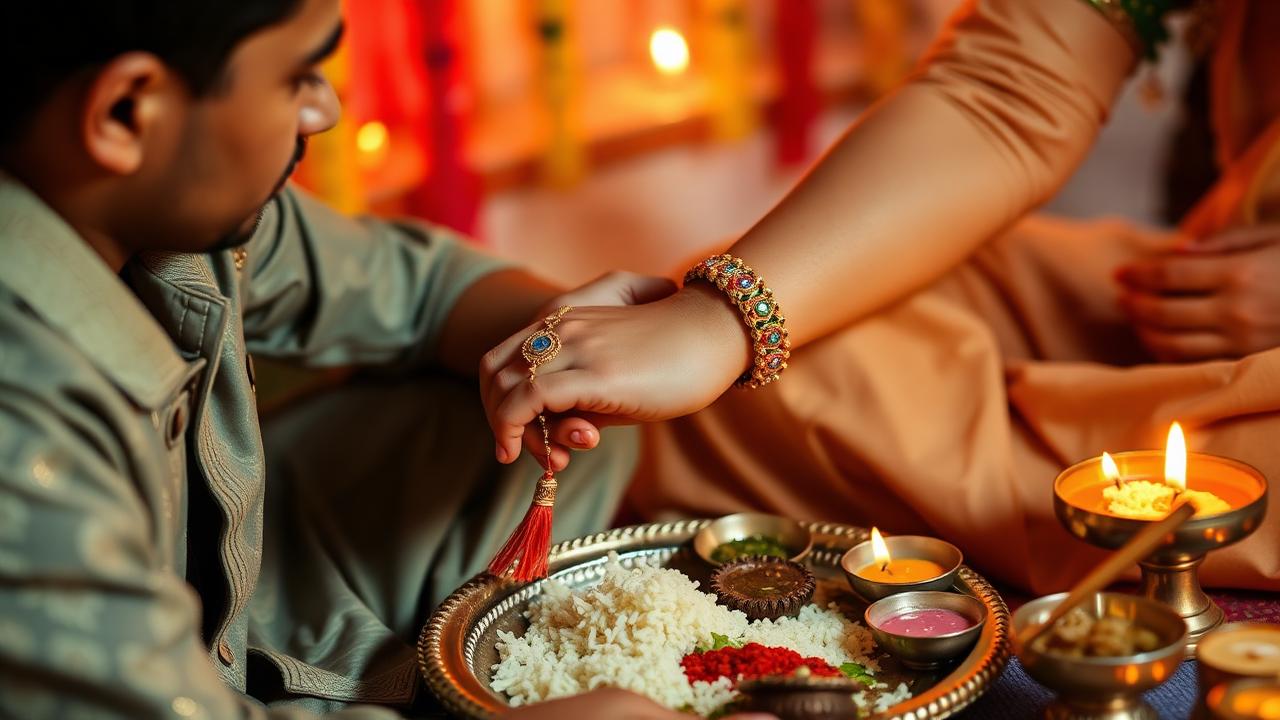
- Throughout the day: Raksha Bandhan rituals, rakhi tying, tilak, sibling gifts, proceeding alongside rather than in conflict with the morning's Shiva-focused closing rituals.
- Evening: A final diya lit at the puja corner, marking Sawan's formal close for the year, before the space transitions to its regular, non-Sawan routine the following day.
This sequence respects both threads of the day, Shravan's closing and Raksha Bandhan's celebration, without either one crowding out the other.
🪔 The Vandnaa App's Sawan calendar marks 28 August with both its Purnima significance and Raksha Bandhan timing, helping households plan a day that honors both without last-minute confusion.
Reader Questions Answered
Is Sawan Purnima the same as Raksha Bandhan in 2026?+
They fall on the same date, 28 August 2026, but they are conceptually distinct: Sawan Purnima is the closing tithi of Shravan month with its own snan-daan significance, while Raksha Bandhan is a separate sibling festival that traditionally coincides with this tithi.
Can I bathe at home instead of visiting a holy river on Sawan Purnima?+
Yes, bathing at home with plain water, ideally with a little Ganga jal, til or milk added, during Brahma Muhurat is a fully accepted alternative for devotees unable to travel to a river.
What items are specifically associated with daan on Purnima days?+
Kheer and milk-based sweets, white cloth and flowers, and support for cows or gaushalas are particularly associated with Purnima daan, alongside the til, grain and cloth central to Sawan's broader giving tradition.
Why do some households perform both a Shiva ritual and a Satyanarayan Puja on Sawan Purnima?+
Shravan Purnima closes Shiva's month, while Purnima tithis generally are also associated with Vishnu worship across the Hindu calendar, so many households comfortably observe both threads on the same day.
Should Sawan Purnima daan be larger than daan given earlier in the month?+
Not necessarily in size. It is better understood as a conscious closing act that formally seals the month's giving, rather than a competition to give the largest single donation on the final day.
About the author
Pandit Mahesh Trivedi · Festival Traditions & Panchang
Pandit Mahesh leads the festival-date and Panchang content on Vandnaa. He cross-references multiple regional panchangs (Drik, Vaishnava, Bengali, Marathi) for every festival date published on the site.
Meet the Vandnaa editorial team →