Significance of the Shami Tree
The Shami (Prosopis cineraria) is one of the most sacred trees, closely associated with Shani Dev and also dear to Lord Shiva, who is offered its leaves. It is believed to absorb negative energy and the harsh effects of Saturn. Because it survives in the harshest deserts, it symbolises resilience, patience and victory over hardship - the very qualities Shani teaches.
The Pandava and Dussehra Legends
During their year of hiding (agyatvas), the Pandavas concealed their divine weapons in a Shami tree and worshipped it for protection; they recovered the weapons on Vijayadashami. On the same day, Lord Rama is said to have worshipped the Shami before defeating Ravana. This is why on Dussehra people exchange Shami leaves (shami patra) as a symbol of victory, calling them gold, and seek blessings for success over their own troubles.
When to Worship the Shami
Saturday is the main day for Shami worship, being Shani Dev's day, and lighting a lamp under it in the evening is a powerful remedy. Dussehra (Vijayadashami) is the most important festival for its worship. Many also worship it during Sade Sati or Dhaiya for relief from Shani's hardships. Evening, after sunset, is the preferred time for the Saturday lamp.
Shami Worship Vidhi
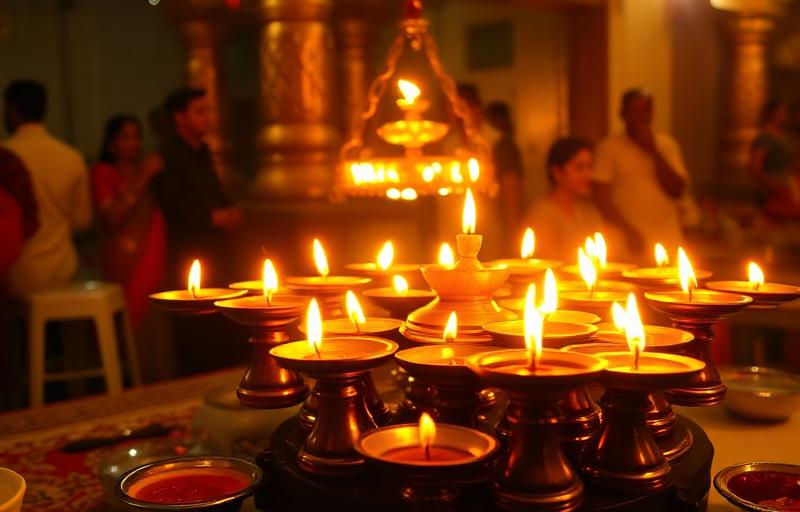
1. On Saturday evening, clean the area around the Shami tree. 2. Offer water at its roots, then sindoor, a little mustard oil and black or blue flowers. 3. Light a mustard or sesame oil lamp at its base after sunset. 4. Offer black sesame and a small bhog, and chant the Shani mantra. 5. Do a clockwise parikrama and bow with folded hands. On Dussehra, worship the tree in the daytime, offer it respects and gently take a few leaves to share with elders, seeking their blessings.
Shami Mantra
The classic Dussehra Shami mantra, recited while worshipping the tree, is:
Shami shamayate paapam, shami shatru-vinashinee. Arjunasya dhanur-dhaari, Ramasya priya-darshinee.
Its meaning: the Shami calms sins and destroys enemies; it bore Arjuna's bow and was dear to the sight of Rama. For Shani relief, also chant Om Sham Shanaishcharaya Namah while lighting the lamp.
Benefits, Dos and Don'ts
Shami worship is believed to soften the hardships of Sade Sati and Dhaiya, remove obstacles and enemies, and grant patience, courage and victory in difficult times. Do: light the Saturday lamp after sunset, keep the tree healthy, and worship with humility. Don't: harm or cut a living Shami, pluck leaves carelessly, or worship it at night beyond the lamp offering. Always approach with a calm, honest heart, as Shani rewards sincerity above ritual.
Common Questions From Devotees
Why is the Shami tree associated with Shani Dev?+
The Shami is believed to absorb the harsh effects of Saturn and is sacred to Shani Dev. Lighting a mustard oil lamp under it on Saturday is a well-known Shani remedy.
What is the Shami tree's connection to Dussehra?+
The Pandavas hid their weapons in a Shami tree during exile and recovered them on Vijayadashami, and Lord Rama worshipped it before defeating Ravana. So Shami leaves are exchanged on Dussehra as a symbol of victory.
How do you worship the Shami tree on Saturday?+
After sunset, offer water, sindoor, mustard oil and dark flowers at its roots, light a mustard or sesame oil lamp, offer black sesame, chant the Shani mantra and do a clockwise parikrama.
What is the Shami tree mantra?+
The classic mantra is 'Shami shamayate paapam, shami shatru-vinashinee, Arjunasya dhanur-dhaari, Ramasya priya-darshinee', recited while worshipping the tree, especially on Dussehra.
What benefits does Shami worship bring?+
It is believed to soften Sade Sati and Dhaiya, remove obstacles and enemies, and grant patience, courage and victory in difficult situations, along with the blessings of Shani and Shiva.
Can the Shami tree be cut or its leaves plucked freely?+
No. A living Shami should never be cut and its leaves should not be plucked carelessly. Take only a few leaves with respect, mainly on Dussehra, and keep the tree healthy and well watered.
About the author
Pandit Mahesh Trivedi · Festival Traditions & Panchang
Pandit Mahesh leads the festival-date and Panchang content on Vandnaa. He cross-references multiple regional panchangs (Drik, Vaishnava, Bengali, Marathi) for every festival date published on the site.
Meet the Vandnaa editorial team →Explore on Vandnaa
Related Articles
Peepal Tree Worship - Benefits, Niyam & Rules
9 min read
Banana Tree Worship (Thursday) - Vidhi & Benefits
8 min read
Salt Remedies for Negative Energy at Home
8 min read
Shiv Aarti Lyrics – Om Jai Shiv Omkara (शिव आरती)
13 min read
Om Namah Shivaya Mantra Benefits & Meaning (ॐ नमः शिवाय)
9 min read
Durga Aarti Lyrics – Ambe Tu Hai Jagdambe Kali (दुर्गा आरती)
8 min read