Who Is Shitala Mata
Shitala Mata, whose name means 'the one who cools', is the mother goddess of health and healing, worshipped especially for protection from fevers, measles, chickenpox and other heat-related diseases. She is depicted riding a donkey, holding a broom, a winnowing fan, a small pot and neem leaves - symbols of cleanliness, cooling and the removal of illness. A form of Adi Shakti, she is revered across North India as a loving guardian of children and family health.
Sheetala Ashtami (Basoda)
Sheetala Ashtami, also called Basoda, falls on the eighth day (Ashtami) of the dark fortnight in the month of Chaitra, just after Holi. Its most unique feature is Basoda, the tradition of eating only cold, stale food cooked the previous day - no fire is lit in the kitchen on this day. This marks the seasonal shift toward summer, when easily digestible cool food protects health, and it honours the goddess who keeps the body cool and free of disease.
Shitala Mata Vrat and Puja Vidhi
1. The previous evening, cook the bhog (sweet rice, puri, halwa or curd-based dishes) that will be offered cold the next day. 2. On Ashtami, bathe early but do not light the kitchen fire. 3. Visit the Shitala Mata temple or worship at home with the previously cooked, cold food. 4. Offer cold water, neem leaves, roli, rice, and the stale bhog; light a lamp but no fresh cooking. 5. Listen to or read the Shitala Mata katha and perform the aarti. 6. Apply a little of the cold offering to children for the goddess's protection. Women keep this vrat especially for their children's health and long life.
Shitala Mata Katha (In Brief)
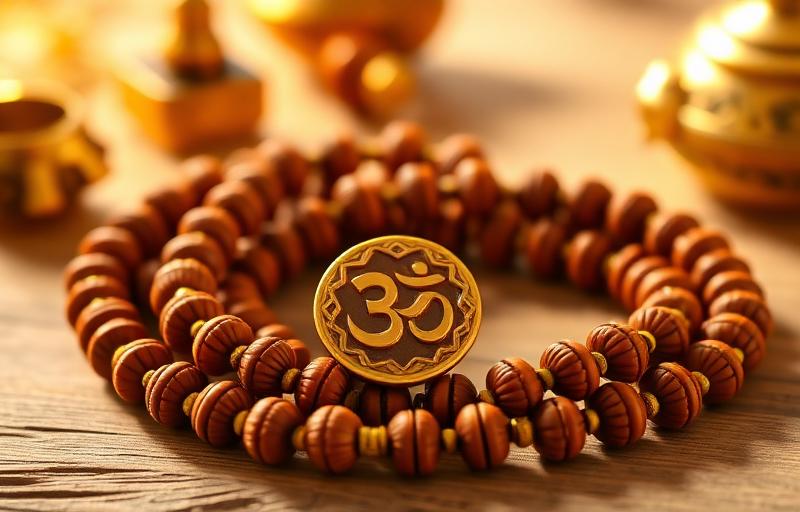
An old village tale tells of a woman who, alone among her neighbours, cooked fresh hot food on Sheetala Ashtami instead of honouring the goddess with cold offerings. That night a fire or illness spread, and only the homes that had kept the Basoda tradition and worshipped Shitala Mata with devotion were left unharmed. Realising her mistake, the woman prayed sincerely, and the goddess, ever compassionate, restored peace and health to her family. The katha teaches faith, humility and respect for the goddess's simple discipline.
Shitala Mata Aarti
Sing this aarti with a lamp before the goddess:
Jai Shitala Maata, maiyya jai Shitala Maata. Aadi Jyoti Mahamaya, sab dukh harne waali. Ridhi-sidhi daata maiyya, rog-shok mitane waali. Sharan padi jo teri, vipada mit jaati.
Offer the flame, then pray for the family's health and the protection of children.
Significance and Benefits
Worshipping Shitala Mata is believed to protect the family from fevers, pox, skin diseases and seasonal illness, and to bless children with health and long life. Beyond devotion, the Basoda tradition carries practical wisdom - giving the kitchen a rest and eating cool, easy food as summer begins. The vrat blends faith with seasonal care for the body.
What People Ask Most
Who is Shitala Mata?+
Shitala Mata is the mother goddess of health and healing, worshipped for protection from fevers, chickenpox, measles and other diseases. She is a form of Adi Shakti and a guardian of children's health.
When is Sheetala Ashtami celebrated?+
Sheetala Ashtami, also called Basoda, falls on the eighth day of the dark fortnight in the month of Chaitra, just after Holi, usually in March or April.
Why is cold, stale food eaten on Sheetala Ashtami?+
The Basoda tradition means no fresh cooking on this day; only food cooked the previous day is eaten cold. It honours the cooling goddess and reflects the seasonal shift to summer, when cool, easy food protects health.
What is offered to Shitala Mata?+
Cold water, neem leaves, roli, rice and the stale bhog cooked the previous day (sweet rice, puri, halwa or curd dishes) are offered. No fresh hot food is cooked or offered on this day.
Why do women keep the Shitala Mata vrat?+
Women keep this vrat especially for the health and long life of their children, praying to Shitala Mata for protection from disease and for the family's overall wellbeing.
What does the Shitala Mata katha teach?+
The katha teaches faith, humility and respect for the goddess's simple discipline. It tells how families that kept the Basoda tradition with devotion were protected, while neglect brought hardship until sincere prayer restored peace.
About the author
Acharya Vinaya Kapoor · M.A. Sanskrit, Mantra & Stotra Studies
Acharya Vinaya holds an M.A. in Sanskrit from Banaras Hindu University and writes the mantra and stotra commentary on Vandnaa. Her focus is on accurate pronunciation, traditional context, and helping modern readers connect with classical texts.
Meet the Vandnaa editorial team →Explore on Vandnaa
Related Articles
Durga Aarti Lyrics – Ambe Tu Hai Jagdambe Kali (दुर्गा आरती)
8 min read
Durga Chalisa Lyrics in Hindi & English with Meaning
9 min read
Sharad Navratri 2026: 9 Days Colors, Puja Vidhi, Vrat Rules & Kanya Pujan Guide
10 min read
Navadurga: The 9 Forms of Maa Durga, Their Mantras, Significance & Which to Worship Each Day
13 min read

Maa Kali: Mantras, Significance, Puja Vidhi & The Fierce Mother
9 min read
Mahishasura Mardini Stotram - Durga's Battle Hymn: Lyrics, Meaning, Power
9 min read