What Is the Shiv Mahimna Stotram
The Shiv Mahimna Stotram is a Sanskrit hymn of around 43 verses that celebrates the boundless *glory (mahima) of Lord Shiva*. It is admired for its poetic grandeur and deep philosophy, declaring that even Brahma and the Vedas cannot fully describe Shiva's greatness. It is one of the most respected of all Shiva stotras, recited in temples and homes alike, and praised by saints across traditions.
The Story of Pushpadanta
The stotra was composed by Pushpadanta, a gandharva (celestial musician) and great devotee of Shiva. As the story goes, Pushpadanta unknowingly walked over a sacred garden whose flowers were used to worship Shiva, and as punishment lost his divine power of invisibility. Realising his fault, he composed this magnificent hymn in praise of Shiva to seek forgiveness. Pleased by his devotion, Lord Shiva restored his powers - and the stotra became immortal.
Representative Opening Verse
The hymn opens with Pushpadanta's humble admission that praising Shiva is beyond anyone's power:
Mahimnah param te paramaviduso yadyasadrishi, Stutir-brahmadinam-api tadavasannas-tvayi girah.
Meaning: If one who does not know the limit of Your glory offers inadequate praise, then even the words of Brahma and the gods fall short before You. This opening sets the tone of awe and surrender that runs through the entire stotra.
What the Stotra Describes

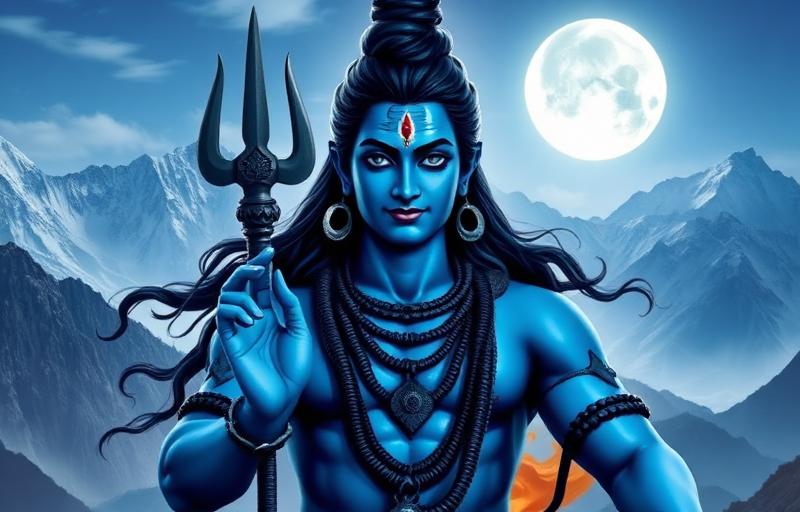
Across its verses, the hymn praises Shiva as the source of the Vedas, the force behind creation, preservation and dissolution, the holder of the Ganga, the moon and the trident, and the destroyer of Tripura and of the demon's pride. It speaks of his cosmic dance (tandava), the swallowing of poison (Halahala) to save the world, and his transcendence beyond all names and forms - showing him as both the personal Lord and the formless absolute.
When and How to Recite
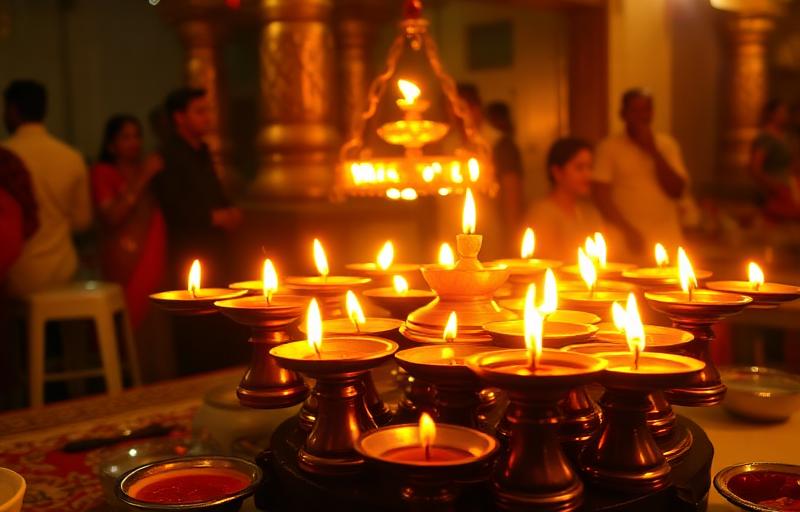
1. Bathe and sit before a Shiva Linga or image facing east or north. 2. Light a lamp and incense, and offer bilva leaves, water and white flowers. 3. Recite the verses slowly and with feeling, ideally aloud; it takes about fifteen to twenty minutes. 4. Begin or end with Om Namah Shivaya. The stotra is especially recited on Mondays, in Shravan, on Pradosh and on Maha Shivratri. Even reciting a few verses daily with devotion is considered greatly meritorious.
Benefits of the Shiv Mahimna Stotram
The stotra's closing verses promise that whoever recites it with devotion attains Shiva's grace, purity of mind, prosperity and finally liberation. It is believed to remove sins, fears and obstacles, calm the restless mind, and fulfil sincere wishes. Reading it regularly is said to bring the same merit as elaborate worship, making it a complete devotional practice in itself.
Quick Answers
Who composed the Shiv Mahimna Stotram?+
It was composed by Pushpadanta, a gandharva (celestial musician) and devotee of Shiva, to seek forgiveness after a fault. Pleased by his devotion, Shiva restored his lost powers.
What does the Shiv Mahimna Stotram describe?+
It praises the boundless glory of Shiva - source of the Vedas, holder of the Ganga and trident, performer of the tandava and drinker of poison, and the absolute beyond all names and forms.
How long is the Shiv Mahimna Stotram?+
It has around 43 Sanskrit verses and takes about fifteen to twenty minutes to recite slowly. Even reciting a few verses daily with devotion is considered very meritorious.
When should the Shiv Mahimna Stotram be recited?+
It is best recited on Mondays, in Shravan, on Pradosh and on Maha Shivratri, usually before a Shiva Linga after bathing, beginning or ending with 'Om Namah Shivaya'.
What are the benefits of reciting it?+
It is believed to grant Shiva's grace, purity of mind, prosperity and liberation, while removing sins, fears and obstacles and calming the mind. Its closing verses promise these rewards.
Can beginners recite the Shiv Mahimna Stotram?+
Yes. Beginners can start with a few verses or follow an audio recitation. Sincere devotion matters more than flawless Sanskrit, and the whole stotra can be learned gradually.
About the author
Acharya Vinaya Kapoor · M.A. Sanskrit, Mantra & Stotra Studies
Acharya Vinaya holds an M.A. in Sanskrit from Banaras Hindu University and writes the mantra and stotra commentary on Vandnaa. Her focus is on accurate pronunciation, traditional context, and helping modern readers connect with classical texts.
Meet the Vandnaa editorial team →Explore on Vandnaa
Related Articles
Lingashtakam - Lyrics, Meaning & Benefits
8 min read
Bilvashtakam - Lyrics, Meaning & Benefits
8 min read
Shiv Aarti Lyrics – Om Jai Shiv Omkara (शिव आरती)
13 min read
Shiv Chalisa Lyrics & Meaning in Hindi (शिव चालीसा)
13 min read
Om Namah Shivaya Mantra Benefits & Meaning (ॐ नमः शिवाय)
9 min read
Maha Mrityunjaya Mantra: Meaning & Benefits (महा मृत्युंजय मंत्र)
9 min read