Who is Shiva and When to Do This Puja
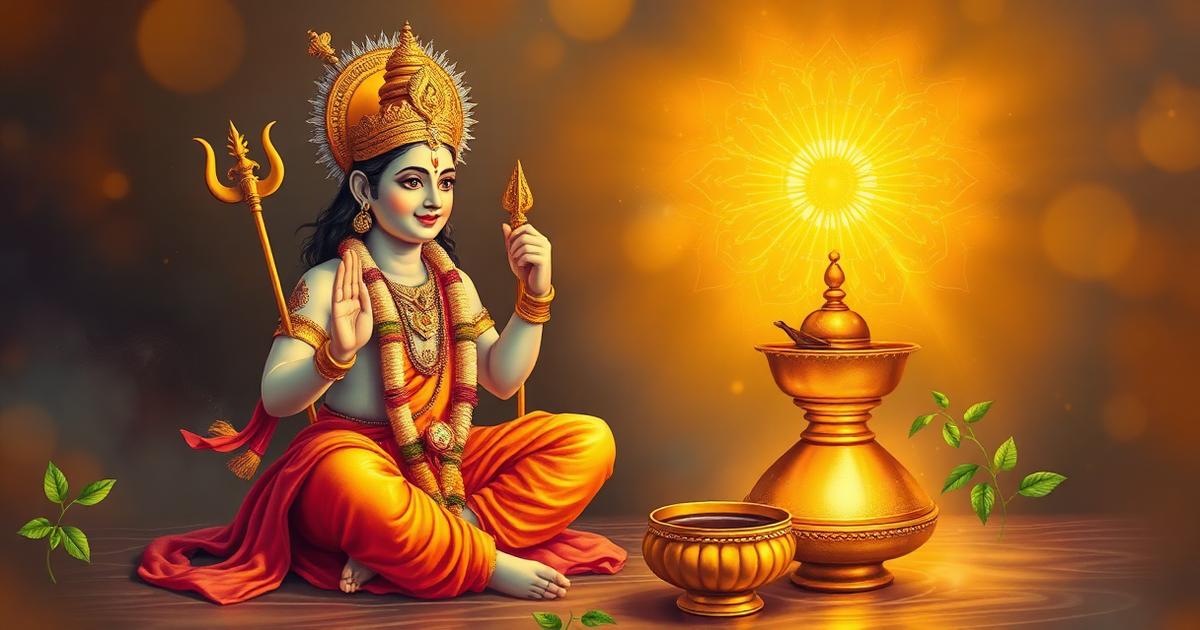
Shiva is worshipped within the divine cycle of creation, preservation and dissolution, and is also known as the ascetic, meditative god who is easily pleased by simple, sincere devotion. His home worship usually centres on a Shivling or a photo of Shiv-Parvati, and is built around abhishek (a ritual bath), rather than a long, many-step ceremony.
Mondays (Somwar) are especially associated with his worship, along with Pradosh (the twilight period on the thirteenth lunar day) and the month of Sawan, but he can be worshipped at home on any day of the week.
Complete Samagri List for Shiv Puja
Keep these items ready before you begin:
- A Shivling or a Shiv-Parvati photo, and a chowki or a plate that lets abhishek water drain away
- Gangajal and plain water for abhishek
- Milk, curd, honey and ghee for panchamrit abhishek, plus a little sugar
- Bel patra (bilva leaves), ideally unbroken and three-leaved
- White flowers, avoiding ketaki (kevड़ा), which tradition does not offer to Shiva
- Bhasma (vibhuti) or white chandan
- Akshat (whole rice)
- Dhatura fruit or flower, if available, especially during Sawan
- Agarbatti and dhoop
- A deepak with ghee or oil, and a matchbox
- Naivedya: fruits or simple sattvic sweets
- Betel leaves, supari and a few coins
- Camphor and a small bell for aarti
- A copy of the Shiv Chalisa or the Mahamrityunjaya mantra, if you wish to recite it
At the heart of it all, water and a bel patra leaf, offered with devotion, already make a complete Shiv puja.
Step-by-Step Shiv Puja Vidhi at Home
Follow these steps in order:
1. Clean and bathe - tidy the puja area and bathe before beginning. 2. Sankalp - sit calmly, take a little water in hand, and silently state your intention. 3. Aavahan - if using a photo, invite Shiva with folded hands; a Shivling is treated as already present, so a brief invocation is enough. 4. Abhishek - pour plain water first, then milk, then the other panchamrit ingredients one by one, finishing with plain water again. 5. Chandan/bhasma - apply bhasma or white chandan. 6. Bel patra and pushpa - offer bel patra and white flowers. 7. Akshat - offer a little akshat. 8. Dhoop-deep - light incense and the lamp. 9. Naivedya - offer the bhog, then a little water around the plate. 10. Mantra jaap - recite "Om Namah Shivaya" or the Mahamrityunjaya mantra. 11. Aarti - perform aarti with a lit lamp or camphor, ringing the bell gently. 12. Closing - offer pranam, distribute the prasad, and let the water drain away respectfully rather than leaving it standing.
Best Time and Rules to Follow
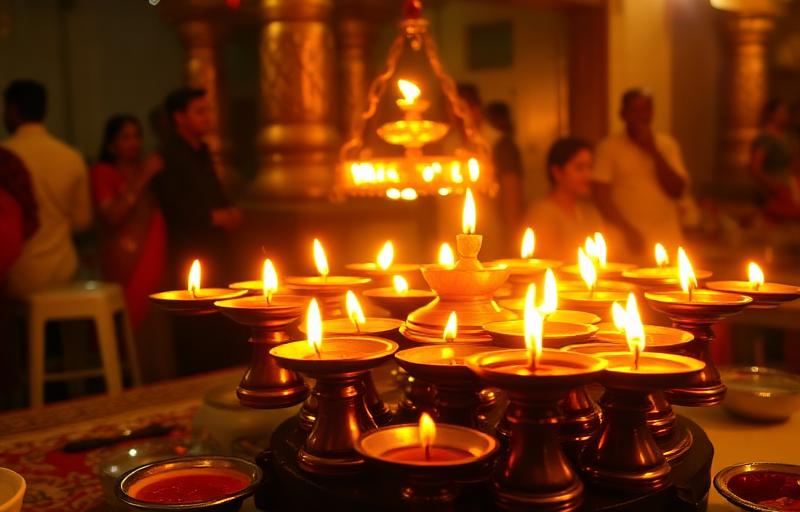
Mondays (Somwar) are the day most associated with Shiv worship, and Pradosh kaal, the twilight period on the thirteenth lunar day, is also considered especially significant. The month of Sawan and Mahashivratri are his most elaborate annual observances.
Early morning after a bath is ideal for a daily abhishek, though the evening twilight hour works just as well if that suits your schedule better.
Common Mistakes to Avoid
- Avoid offering ketaki (kevड़ा) flowers; long-held tradition excludes them from Shiv worship.
- Chandan or bhasma is the customary choice on a Shivling; turmeric is not typically applied the way it is for some other deities.
- A bel patra leaf that has been offered can be rinsed clean and reused at the next puja, so there is no need to search for fresh leaves every single day.
- Do not rush the abhishek; a slow, steady pour is itself considered a calming, meditative act.
- Fasting on Mondays or through Sawan is a personal choice and not mandatory for the puja itself.
- Clean any vessel well before using it for abhishek if it also serves other household purposes.
A Simple Devotional Note
Shiva is described as Bholenath, easily pleased by simple offerings given with sincerity. A little water, a bel patra leaf and the quiet repetition of "Om Namah Shivaya" are enough to feel his calm, steadying presence settle over a busy mind.
Quick Answers
What is the most important item in Shiv puja?+
Water and bel patra are considered the two most essential offerings. Even without anything else, an abhishek of plain water followed by a bel patra leaf is a complete offering.
Why are ketaki flowers avoided in Shiv worship?+
Long-standing tradition holds that ketaki (kevड़ा) flowers are not offered to Shiva, a custom passed down through generations, unlike most other flowers which are welcome.
Can the same bel patra leaf be offered again?+
Yes. A bel patra leaf offered in puja can be gently rinsed clean and reused the next time, a well-known practical tradition followed in Shiv worship.
About the author
Dr. Suresh Iyer · Vastu Shastra & Jyotish, 18+ years
Dr. Suresh has practiced traditional Vastu and basic Vedic Jyotish for over 18 years across South India. He contributes the Vastu, direction, and home-puja layout guides on Vandnaa.
Meet the Vandnaa editorial team →