The Katha, Simply Told
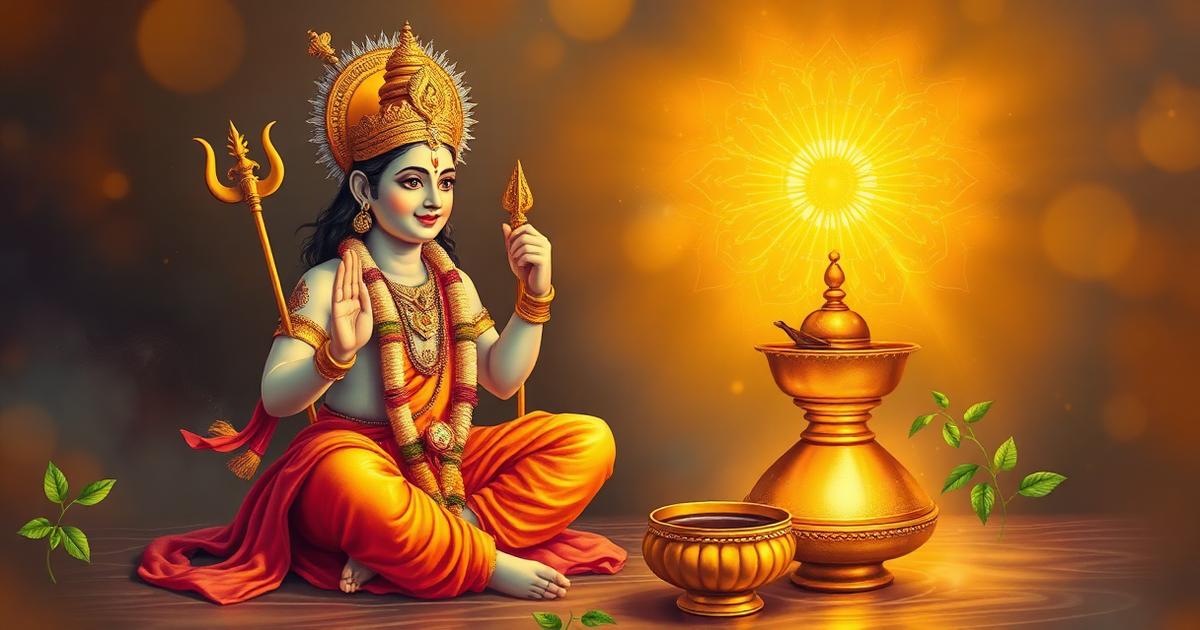
Among Shiva's many names, Bholenath, meaning the innocent or simple-hearted lord, is perhaps the most affectionately used by ordinary devotees. Unlike grand titles describing his cosmic power, Bholenath speaks to something gentler, that Shiva is easily pleased and quick to grant blessings to anyone who approaches him with genuine, uncomplicated devotion.
Many small kathas illustrate this quality. It is said that even simple offerings, a few bel leaves, a little water, or a handful of wildflowers gathered without ceremony, are enough to please Shiva, unlike deities whose worship in some tellings requires elaborate rituals and precise offerings. Stories abound of humble devotees, poor villagers, tribal worshippers, or even asuras with less than pure intentions, receiving powerful boons from Shiva simply because they approached him with sincere devotion, without pretence or complicated persuasion.
One well-loved illustration involves Ravana himself, who despite his eventual arrogance, was granted immense boons by Shiva in his early years of devoted worship, showing that Shiva looks first at the sincerity of the heart offering devotion rather than judging by status, wealth, or even past character alone.
Scriptural Context
The idea of Shiva as easily pleased, ashutosh in Sanskrit, appears repeatedly across the Puranas, including the Shiva Purana and Linga Purana, where numerous devotees, both virtuous and flawed, receive boons after even brief or simple periods of devotion. This is often contrasted in Puranic literature with other forms of worship that emphasise more elaborate conditions.
The specific term Bholenath itself is more a devotional and folk usage than a strict scriptural title, reflecting centuries of popular reverence rather than a name coined in any single text. Its widespread use across Hindi-speaking regions in particular shows how deeply this quality of Shiva has entered everyday devotional language.
Symbolic Meaning
The name Bholenath carries a gentle but profound theological point: divine grace is not a reward reserved for the powerful, the learned, or the ritually precise, but is available to anyone who approaches with a sincere heart. This is a deeply democratic idea within Hindu devotion, suggesting that closeness to God depends far more on inner sincerity than on outer qualification.
At the same time, Shiva's simplicity is not naivety. He is also Mahadeva, the great among gods, and Rudra, the fierce one, showing that being easily pleased does not mean being without discernment or power; rather, it reflects an abundance of compassion that chooses generosity over strict judgment when devotion is offered with honesty.
What It Teaches Devotees

- Sincerity matters more than elaborate ritual: devotees learn that heartfelt, simple worship is never lesser than grand ceremony.
- Grace is available to everyone: Shiva's accessibility, regardless of a devotee's background, reflects the inclusive spirit at the heart of Hindu devotion.
- Being easily pleased is not weakness: Bholenath's generosity coexists with his identity as Mahadeva and Rudra, showing that compassion and power are not opposites.
- Devotion should come from the heart, not performance: the many kathas of humble devotees receiving grace remind worshippers that showmanship is unnecessary in true bhakti.
How It Is Remembered Today
The name Bholenath is used constantly in everyday devotional life, chanted in bhajans, printed on temple banners, and spoken warmly by devotees during Kanwar Yatra, Shravan Somvar fasts, and Mahashivratri celebrations. Its widespread, affectionate usage reflects how deeply Shiva is seen not just as a cosmic power but as an approachable, loving presence in daily life.
Many devotional songs specifically use variations like Bhola Bhandari and Bhole Baba, reinforcing this image across generations and regions, particularly in North India, where Shiva devotion carries a distinctly warm, familial tone alongside its reverence.
Takeaway
The name Bholenath endures because it captures something devotees deeply cherish, that the greatest of gods remains approachable to the humblest of hearts. It is a name that invites rather than intimidates, reminding worshippers that sincerity always finds its way to grace. Calling upon Shiva as Bholenath, with simple offerings and an honest heart, is an act of faith and love, not a transaction.
Common Questions From Devotees
Why is Shiva called Bholenath?+
Shiva is called Bholenath, meaning the innocent or simple-hearted lord, because tradition holds he is easily pleased and quick to bless anyone who approaches him with sincere, uncomplicated devotion.
What offerings please Shiva according to tradition?+
Tradition holds that even the simplest offerings, such as bel leaves, water, or wildflowers given with sincere devotion, are enough to please Shiva, without need for elaborate ritual.
Does being easily pleased mean Shiva lacks power or discernment?+
No, Shiva is also revered as Mahadeva and Rudra, showing that his readiness to bless devotees reflects abundant compassion rather than any lack of power or wisdom.
About the author
Anjali Mehta · Editor, M.A. Religious Studies
Anjali is the managing editor for Vandnaa and oversees the festival and vrat coverage. She holds an M.A. in Religious Studies and reviews every published article for accuracy, accessibility, and tradition-fidelity.
Meet the Vandnaa editorial team →