The Katha, Simply Told
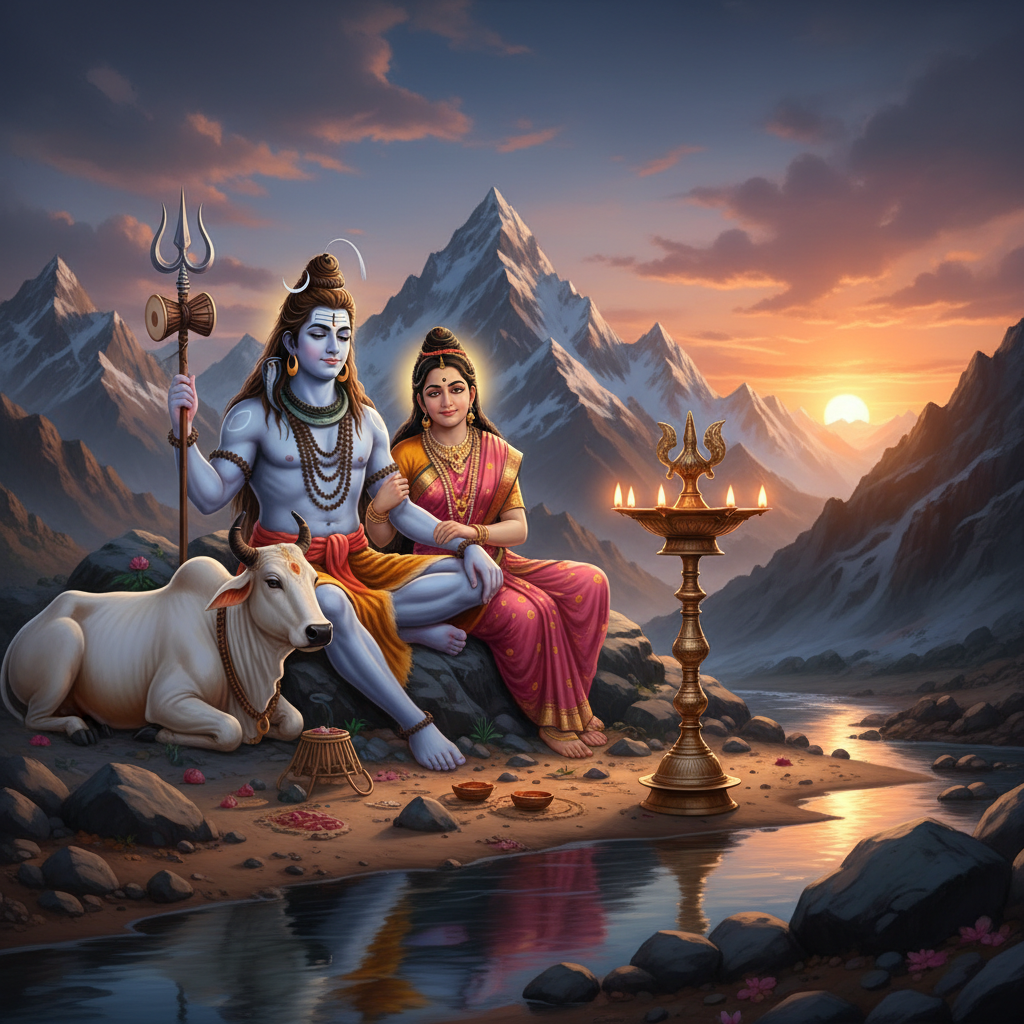
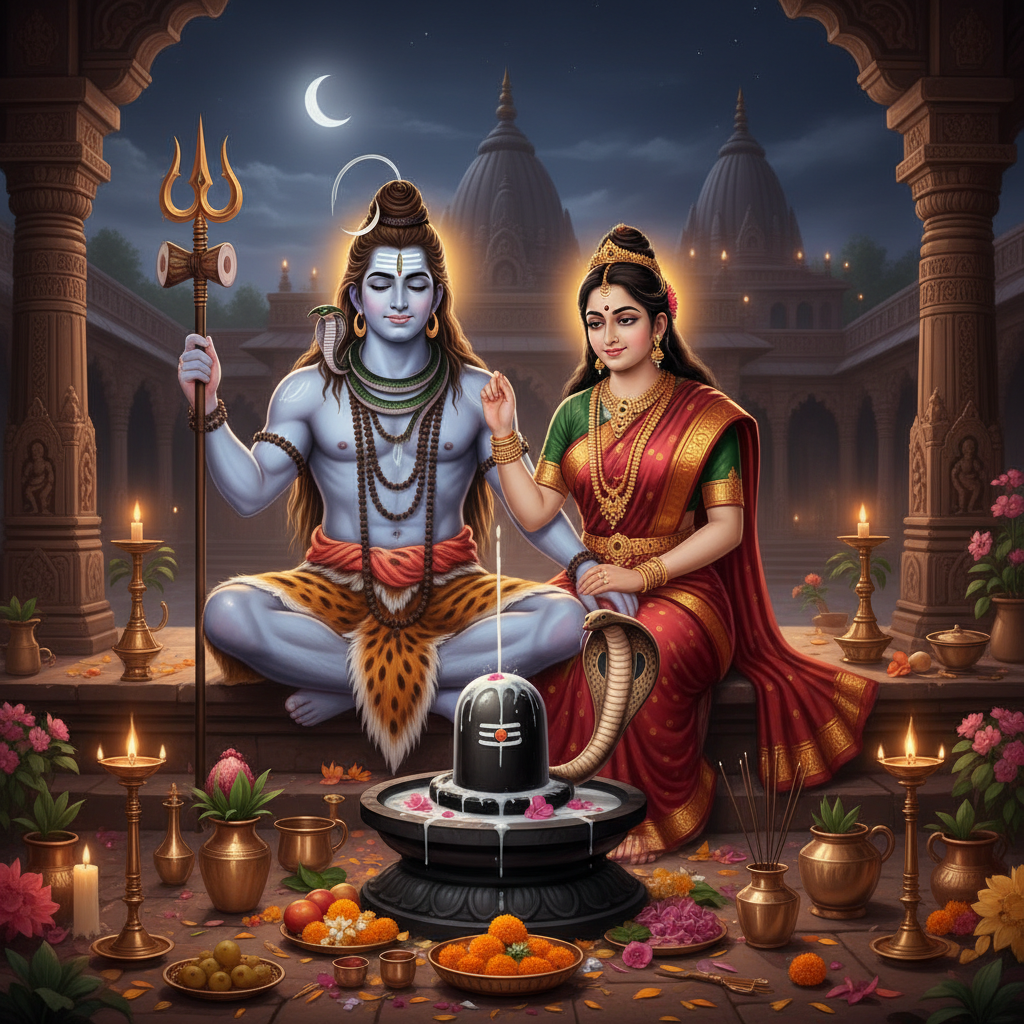
Sati, daughter of the powerful king Daksha, chose Shiva as her husband against her father's wishes, for Daksha considered the ash-smeared, wandering ascetic an unfit match for his daughter. Despite the tension, Sati married Shiva out of deep devotion and love.
Years later, Daksha organised a grand yagna, a sacred fire ritual, inviting all the gods and sages, but deliberately excluded Shiva and Sati, wishing to humiliate the son-in-law he had never accepted. When Sati learned of the yagna, she insisted on attending despite Shiva's warnings, hoping to reason with her father.
At the yagna, Daksha publicly insulted Shiva in front of the assembled gods and sages, and Sati, unable to bear the disrespect shown to her husband, is said to have given up her own life at the sacrificial fire, unable to continue living in a body connected to a father who had dishonoured the one she loved. When Shiva learned of Sati's death, his grief turned to fury. From his matted locks sprang the fierce warrior Veerabhadra, who descended upon the yagna, disrupted the ritual, and confronted Daksha. In most tellings, Daksha was eventually forgiven and restored to life, chastened by the consequences of his pride, once the gods, including Shiva, intervened to calm the devastation.
Scriptural Context
The Daksha Yagna episode is one of the most significant in Shaiva and Shakta literature, appearing in the Shiva Purana, the Skanda Purana, and referenced in the Devi Bhagavata Purana as well. It marks a pivotal turning point that connects Shiva mythology with the wider tradition of Devi worship, since it is Sati's sacrifice here that sets in motion her eventual rebirth as Parvati.
The episode is also foundational to the Shakti Peetha tradition. According to widely told belief, after Sati's passing, a grief-stricken Shiva carried her body across the cosmos, and parts of her form are said to have fallen at various sacred sites, giving rise to the network of Shakti Peethas revered across the subcontinent today.
Symbolic Meaning
The Daksha Yagna katha carries several layers of meaning. Daksha represents rigid social convention and ego bound to status, unable to see beyond appearances to recognise the true worth of Shiva's inner greatness. His exclusion of Shiva reflects how pride and prejudice can blind even a devoted, accomplished person.
Sati's sacrifice, while deeply tragic, is understood by devotees as an expression of the inseparability of Shiva and Shakti, that dishonour to one's beloved can be so complete a violation that even life itself feels unbearable to continue. Veerabhadra's fury represents righteous anger in defence of dharma, a necessary force that arises when grave injustice must be answered, while Daksha's eventual forgiveness reinforces that even righteous anger, in Hindu tradition, ultimately makes room for compassion and restoration.
What It Teaches Devotees

- Respect owed to loved ones matters deeply: Daksha's disrespect toward Shiva shows how family pride, left unchecked, can cause irreparable harm.
- Devotion sometimes demands difficult stands: Sati's choice to attend the yagna despite warnings reflects her resolve to defend her husband's honour, even at great cost.
- Anger in defence of dharma has its place: Veerabhadra's emergence teaches that righteous anger, used to protect what is sacred, is different from destructive rage.
- Forgiveness follows even grave wrongs: Daksha's eventual restoration reminds devotees that redemption remains possible even after serious failings, once genuine remorse is shown.
How It Is Remembered Today
The Shakti Peethas that trace their origin to this story remain among the most visited pilgrimage sites in Hindu tradition, drawing devotees who see in them a living connection to Sati's devotion. Temples such as those at Kalighat, Kamakhya, and Vaishno Devi, among many others, are counted within this network of sacred sites.
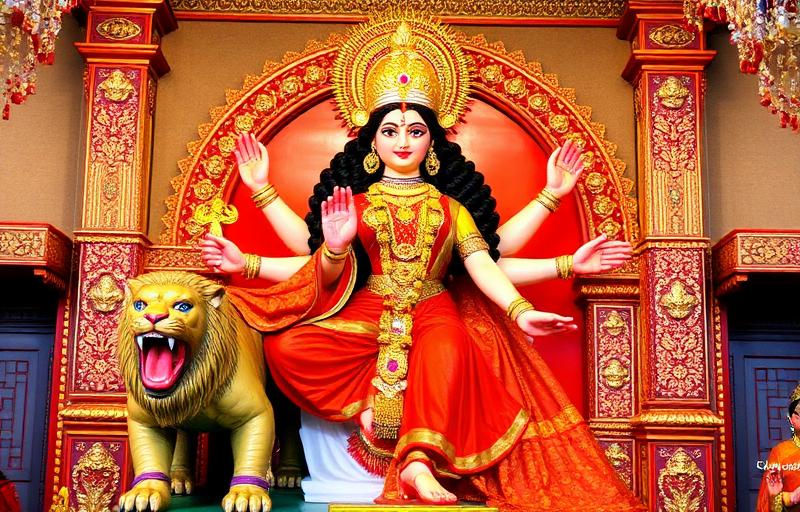
The katha is also recited during Navaratri and other Devi-centred festivals, as it forms part of the origin story explaining Devi's power and her eternal bond with Shiva across her many incarnations, from Sati to Parvati and beyond.
Takeaway
The Daksha Yagna katha remains deeply significant because it holds sorrow and devotion together, showing how love, honour, and eventual reconciliation shape the sacred stories devotees return to. It reminds worshippers that dharma sometimes demands defending what is precious, even at great personal cost, while also holding space for grace and forgiveness. Worship connected to Sati and Shiva through this story is an act of faith and love, not a transaction.
Quick Answers
Why did Sati give up her life at Daksha's yagna?+
Sati is said to have given up her life because she could not bear the public disrespect her father Daksha showed toward her husband Shiva at the yagna.
Who is Veerabhadra and why did he appear?+
Veerabhadra is a fierce warrior form said to have emerged from Shiva's matted locks in grief and anger after Sati's death, who disrupted Daksha's yagna to confront the injustice done.
How is the Daksha Yagna katha connected to the Shakti Peethas?+
Tradition holds that after Sati's passing, parts of her form fell at various sacred sites as Shiva carried her body in grief, and these sites became known as the Shakti Peethas.
About the author
Anjali Mehta · Editor, M.A. Religious Studies
Anjali is the managing editor for Vandnaa and oversees the festival and vrat coverage. She holds an M.A. in Religious Studies and reviews every published article for accuracy, accessibility, and tradition-fidelity.
Meet the Vandnaa editorial team →