The Significance of the Shivling
The Shivling is the formless, infinite symbol of Lord Shiva, representing the union of the cosmic masculine (Shiva) and feminine (Shakti) and the source of all creation. It is not an idol but a sacred emblem of pure consciousness and energy. Worshipping the Shivling, especially through jalabhishek (bathing it with water), is considered one of the most direct and rewarding ways to please Shiva, who is famously Bholenath - easily pleased by sincere, simple devotion.
Preparation Before Puja
Begin with cleanliness of body and place: 1. Bathe and wear clean clothes, ideally before starting. 2. Clean the Shivling and the area; face north or east while worshipping. 3. Keep ready pure water (Gangajal is ideal), raw milk, bilva (bel) leaves, white flowers, dhatura, bhang, sandalwood and a ghee lamp. 4. Monday is Shiva's day, and the Pradosh and Shivratri tithis are especially auspicious. Approach the puja with a calm, devoted mind, free of haste.
Step-by-Step Jalabhishek Vidhi
Perform jalabhishek with devotion: 1. Pour pure water or Gangajal slowly over the Shivling in a thin, steady stream, chanting Om Namah Shivaya. 2. Follow with raw milk, then water again to rinse. 3. Some devotees offer panchamrit (milk, curd, ghee, honey, sugar), washing with water after each. 4. Apply sandalwood (chandan) in three horizontal lines. 5. Offer bilva (bel) leaves with the smooth side down, white flowers, dhatura and bhang. 6. Light a ghee lamp and incense, then offer bhog and perform the aarti. Use a lota and pour gently; never splash or rush the abhishek.
What to Offer and What Not to Offer
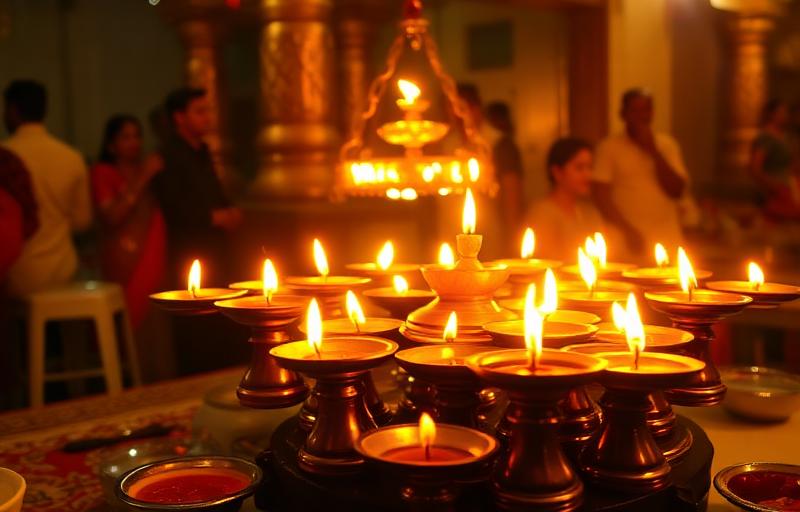
Lord Shiva loves simple offerings: water, milk, bilva leaves, dhatura, bhang, white flowers like aak and kaner, sandalwood and bhasm (sacred ash). However, certain things are forbidden on a Shivling: 1. Never offer Tulsi leaves to Shiva (Tulsi is for Vishnu). 2. Avoid turmeric (haldi) and kumkum in the main worship. 3. Do not offer ketaki (kewra) flowers or coconut water for abhishek. 4. Avoid red flowers and broken bilva leaves. Sincerity matters more than the richness of the offering.
The Important Parikrama Rule
A unique rule applies to circumambulating the Shivling. One should never complete a full parikrama of the Shivling. The channel that drains the abhishek water (the jaladhari or nirmali) carries powerful sacred energy and must not be crossed. Devotees walk clockwise from the front up to the jaladhari, then return back the same way without stepping over the channel - making a half, crescent-shaped circuit. This is the traditional and respectful way to do Shivling parikrama.
Mantra and Benefits
The simplest and most powerful mantra during Shivling puja is the Panchakshari mantra:
Om Namah Shivaya
Chant it continuously while pouring water and offering bilva leaves. Regular Shivling jalabhishek is believed to bring peace of mind, remove obstacles and fears, cleanse karma, and grant health, harmony and spiritual progress. Since Shiva is Bholenath, even a single lota of water offered with true love is said to please him greatly.
Frequently Asked Questions
Why is Tulsi not offered on a Shivling?+
Tulsi is dedicated to Lord Vishnu and is traditionally not offered to Shiva. As per the legend of Vrinda, Tulsi herself declined to be offered to Shiva, so bilva leaves are used instead.
Why should we not do a full parikrama of the Shivling?+
The channel draining the abhishek water (jaladhari) carries intense sacred energy and must not be crossed. So devotees walk up to it and return the same way, making a half, crescent parikrama.
What can be offered during Shivling jalabhishek?+
Offer pure water or Gangajal, raw milk, bilva leaves, white flowers, dhatura, bhang, sandalwood and bhasm. Avoid Tulsi, turmeric, kumkum, ketaki flowers and coconut water.
Which mantra should be chanted during Shivling puja?+
The Panchakshari mantra 'Om Namah Shivaya' is the simplest and most powerful. Chant it continuously while pouring water and offering bilva leaves to the Shivling.
Which day is best for Shivling worship?+
Monday is Lord Shiva's day and is ideal for jalabhishek. The Pradosh tithi and Maha Shivratri are especially auspicious, but daily worship with water is always welcome.
How should bilva leaves be offered on a Shivling?+
Offer bilva (bel) leaves with the smooth side facing down, in sets of three leaves joined together, after washing them. Avoid torn or broken leaves and place them gently with devotion.
About the author
Pandit Mahesh Trivedi · Festival Traditions & Panchang
Pandit Mahesh leads the festival-date and Panchang content on Vandnaa. He cross-references multiple regional panchangs (Drik, Vaishnava, Bengali, Marathi) for every festival date published on the site.
Meet the Vandnaa editorial team →Explore on Vandnaa
Related Articles

Om Namah Shivaya Mantra Benefits & Meaning (ॐ नमः शिवाय)
9 min read
Shiv Aarti Lyrics – Om Jai Shiv Omkara (शिव आरती)
13 min read
Shiv Chalisa Lyrics & Meaning in Hindi (शिव चालीसा)
13 min read
Maha Mrityunjaya Mantra: Meaning & Benefits (महा मृत्युंजय मंत्र)
9 min read
Gangajal - Benefits, Uses, Rules & Significance
8 min read

Panchamrit - Meaning, 5 Ingredients, Significance & Puja Vidhi
8 min read