What the Ganga on Shiva's Head Means
In almost every image of Lord Shiva, a slender stream of water flows from his matted hair, the jata. This is Maa Ganga, the sacred river worshipped as a goddess. Shiva holds her in a single lock of his hair, a sign that the most powerful force in creation rests gently under his control. The image links the highest ascetic, Shiva, with the most purifying river, Ganga.
The Story of Bhagiratha's Penance
The sixty thousand sons of King Sagara were reduced to ashes by the anger of sage Kapila, and their souls could find no liberation. Generations later, King Bhagiratha performed severe penance so that Ganga would descend from the heavens to purify their ashes. But Ganga's fall was so mighty that it would have shattered the earth. Pleased by Bhagiratha's tapas, Lord Shiva agreed to receive her first, breaking her force in his locks before releasing her gently onto the land.
Why Shiva Caught Ganga in His Jata
Ganga is said to have descended with great pride, believing she could sweep Shiva away. To humble her and to protect the earth, Shiva trapped her entirely within his matted hair, so that she wandered lost for a long time. Only when Bhagiratha prayed again did Shiva release her in a measured stream. This is why Shiva is called Gangadhara, 'the one who holds Ganga'.
Symbolism - Humility and the Control of Power
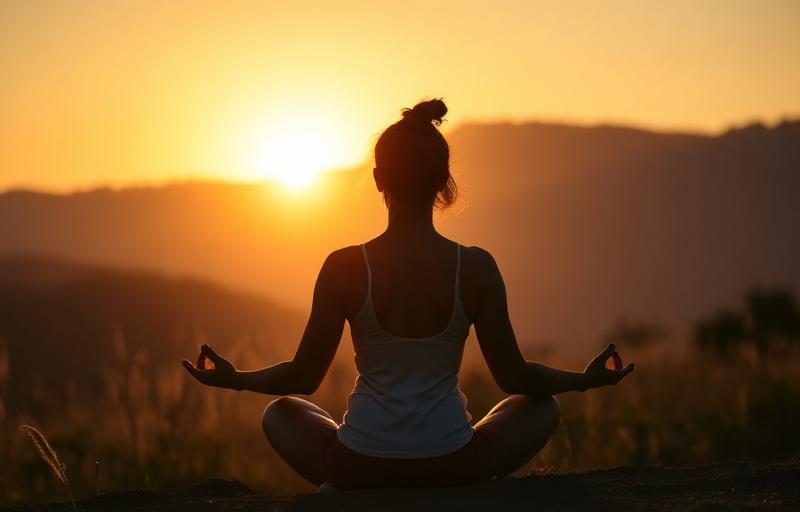
The Ganga on Shiva's head is a living lesson in the control of immense power. Pure energy, like a flooding river, can destroy if it is uncontrolled, but in the hands of a calm, detached master it becomes a blessing. Shiva does not crush Ganga; he simply holds and channels her. For the seeker, this teaches that knowledge, wealth and even spiritual force must be received with humility and guided with steadiness, never with ego.
How Devotees Relate to This Symbol
Devotees see in Gangadhara a god who is both the supreme ascetic and the merciful protector of all life. On Shivaratri and during the holy month of Shravan, devotees pour Ganga water over the Shivling, offering back to Shiva the very river he holds. Bathing in the Ganga is believed to wash away sins, and many recall that her purity flows from having first touched Shiva's head. The image reminds the worshipper to keep the mind calm so grace can flow without being lost.
A Mantra for Gangadhara Shiva
Devotees invoke this form with the simple, powerful chant:
Om Namah Shivaya
A traditional prayer to Shiva as Gangadhara is also recited:
Gangadharaya Namah
Chant either with a calm breath while picturing the cool stream of Ganga in Shiva's locks. This is said to bring peace of mind, purity and the strength to hold one's emotions steady, just as Shiva holds the river.
Frequently Asked Questions
Why does Ganga flow from Shiva's head?+
When Ganga descended from heaven, her force could have shattered the earth. Pleased by Bhagiratha's penance, Shiva caught her in his matted hair to break her fall, then released her gently. This is why she rests on his head.
Who was Bhagiratha?+
Bhagiratha was a king who performed severe penance to bring Ganga from heaven to liberate the ashes of his ancestors, the sons of King Sagara. His effort is why Ganga is also called 'Bhagirathi'.
What does Gangadhara mean?+
Gangadhara means 'the one who holds Ganga'. It is a name of Lord Shiva that celebrates how he received the mighty river in his locks and protected the earth from her force.
What lesson does this symbol teach?+
It teaches the control of immense power through calm and humility. Energy that is uncontrolled can destroy, but received with steadiness it becomes a blessing, just as Shiva channels Ganga gently to nourish the earth.
How do devotees honour Ganga on Shiva's head?+
On Shivaratri and during Shravan, devotees pour Ganga water over the Shivling, returning the river to Shiva. Bathing in the Ganga and chanting 'Om Namah Shivaya' are common acts of devotion.
Which mantra is linked to this form of Shiva?+
The universal 'Om Namah Shivaya' is chanted, and devotees also use 'Gangadharaya Namah' to honour Shiva as the holder of Ganga, praying for peace, purity and emotional steadiness.
About the author
Anjali Mehta · Editor, M.A. Religious Studies
Anjali is the managing editor for Vandnaa and oversees the festival and vrat coverage. She holds an M.A. in Religious Studies and reviews every published article for accuracy, accessibility, and tradition-fidelity.
Meet the Vandnaa editorial team →Explore on Vandnaa
Related Articles
Significance of Nandi (the Bull) Before Shiva - Meaning
9 min read

Significance of Vishnu's Sudarshan Chakra - Meaning
9 min read
Om Namah Shivaya Mantra Benefits & Meaning (ॐ नमः शिवाय)
9 min read
Shiv Aarti Lyrics – Om Jai Shiv Omkara (शिव आरती)
13 min read

Ganga Aarti - Maa Ganga Significance, Lyrics & Puja Vidhi
9 min read
Maha Mrityunjaya Mantra: Meaning & Benefits (महा मृत्युंजय मंत्र)
9 min read