Who Nandi Is
Nandi is the sacred white bull who serves as Lord Shiva's vahana (vehicle) and his closest devotee. In every Shiva temple, a statue of Nandi sits at the entrance, always facing the sanctum where the Shivling rests. He is shown calm and seated, gazing at his lord with complete love. Nandi is not merely an animal; he is a divine being, the chief of Shiva's ganas (attendants).
The Story of Nandi's Devotion
It is said that the sage Shilada, longing for an immortal child, received Nandi as a divine boy born from his yajna. When sages foretold that Nandi would not live long, the boy turned to Shiva with such pure devotion that Shiva appeared, embraced him, and made him deathless and eternal. Shiva blessed Nandi as his vehicle, his gana-chief and his ever-present guardian, granting him a place of honour before every shrine.
Nandi as Vahana and Gatekeeper
As Shiva's vahana, Nandi carries the lord wherever he goes, a symbol of the strength that serves the divine. As the gatekeeper of Kailash and of every temple, he guards the path to Shiva. His unbroken gaze toward the sanctum teaches that a true devotee keeps his attention fixed on the divine, undisturbed by the world. To meet Shiva, one is said to pass through the devotion of Nandi first.
Symbolism - Strength, Dharma and Devotion
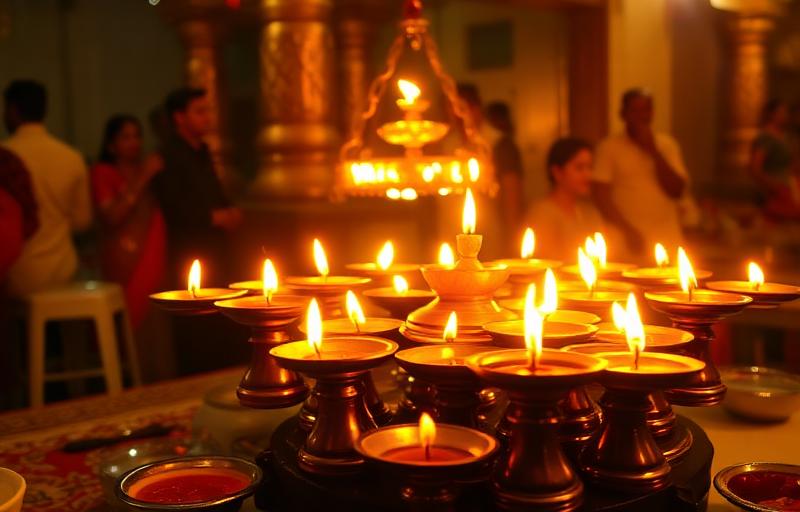
The bull has always been a symbol of dharma (righteousness) and tireless strength in Hindu thought. Nandi represents power that is fully surrendered to the divine, strength under perfect control. His patient, seated posture is the image of a mind that is strong yet calm, alert yet still. He teaches that real devotion is not restless excitement but steady, faithful waiting, with the heart always turned toward the lord.
Whispering Wishes in Nandi's Ear
A loved custom in Shiva temples is to gently whisper one's wish into Nandi's ear. Because Nandi is Shiva's nearest and most trusted attendant, devotees believe he carries the prayer directly to his lord. The tradition is to whisper softly, with a pure heart, and then to step back and not repeat the wish to others. Devotees also touch Nandi's feet and seek his blessing before approaching the Shivling.
A Mantra to Honour Nandi
Before darshan of Shiva, devotees bow to Nandi with this mantra:
Om Nandikeshwaraya Namah
Many also simply chant Om Namah Shivaya while resting a hand near Nandi. Honouring Nandi first is believed to clear the path of devotion and to remind the seeker that surrender and steady faith are the doorway to the divine. A short, sincere bow with this mantra is enough.
What People Ask Most
Who is Nandi?+
Nandi is the sacred white bull who is Lord Shiva's vahana (vehicle), his gatekeeper and the chief of his ganas. He is also Shiva's most devoted follower and is seated before every Shiva temple.
Why does Nandi face the Shivling?+
Nandi always gazes at Shiva to show the steady, unbroken attention of a true devotee. His fixed look teaches that the mind should stay focused on the divine, undisturbed by the world.
What does the bull Nandi symbolise?+
Nandi symbolises dharma (righteousness), tireless strength and devotion that is fully surrendered to the divine. He is power held under perfect control, strong yet calm.
Why do devotees whisper wishes in Nandi's ear?+
As Shiva's closest and most trusted attendant, Nandi is believed to carry prayers directly to his lord. Devotees whisper softly with a pure heart and then quietly step back.
How did Nandi become immortal?+
Born as a divine boy to sage Shilada, Nandi was foretold to die young. His pure devotion drew Shiva himself, who embraced him and made him deathless, his eternal vehicle and gana-chief.
Which mantra is used to honour Nandi?+
Devotees bow to Nandi with 'Om Nandikeshwaraya Namah', or simply chant 'Om Namah Shivaya'. Honouring Nandi first is believed to clear the path of devotion to Shiva.
About the author
Pandit Ravindra Sharma · Vedic Rituals & Bhakti, 22+ years
Pandit Ravindra is the Vandnaa editorial team's resident specialist on aarti, chalisa, and daily devotion. He has performed home and temple pujas across Varanasi and Delhi for over two decades and contributes the bhakti-focused articles on this site.
Meet the Vandnaa editorial team →Explore on Vandnaa
Related Articles
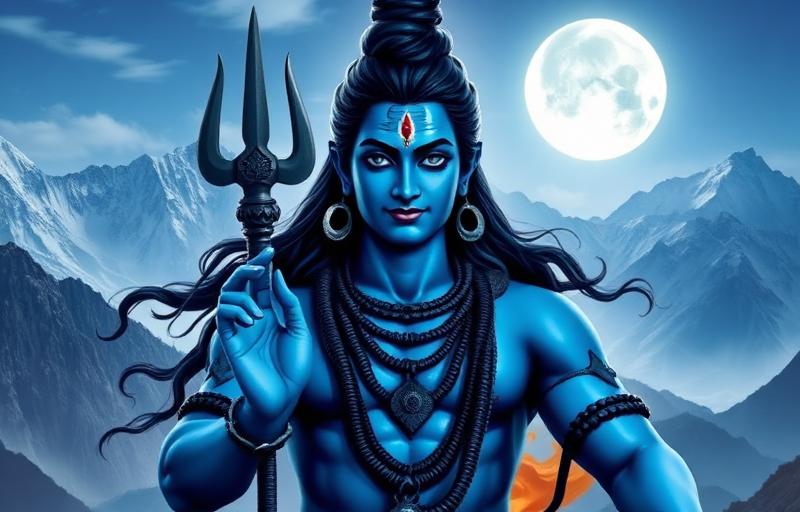
Significance of Ganga on Shiva's Head - Story and Meaning
9 min read
Significance of Vishnu's Sudarshan Chakra - Meaning
9 min read
Om Namah Shivaya Mantra Benefits & Meaning (ॐ नमः शिवाय)
9 min read
Shiv Aarti Lyrics – Om Jai Shiv Omkara (शिव आरती)
13 min read
Maha Mrityunjaya Mantra: Meaning & Benefits (महा मृत्युंजय मंत्र)
9 min read
Significance of Krishna's Flute (Bansuri) - Meaning
9 min read