What Is the Trishul
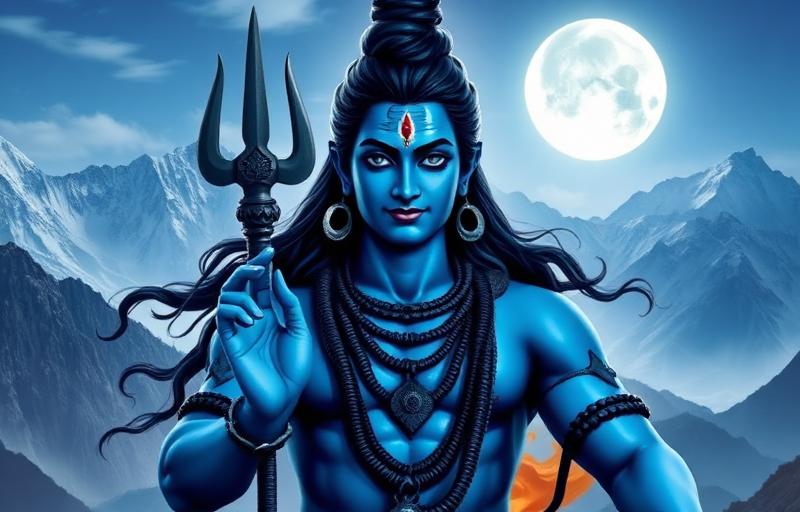
The Trishul is the three-pronged trident that Lord Shiva holds in his hand, the most recognised of all his symbols. It is both a weapon and a spiritual emblem, representing the power that creates, sustains and dissolves the universe. Unlike an ordinary weapon, the Trishul is never raised in anger but stands as a sign of Shiva's mastery over all forces of existence. Its three points rising from a single shaft show how all opposites finally meet in one supreme reality.
The Story Behind the Trishul
Tradition holds that the Trishul came into being along with Shiva himself, formed from the three fundamental energies of the cosmos. In many tellings it represents the combined power of Brahma, Vishnu and Shiva - creation, preservation and destruction held in one hand. Shiva is said to have used the Trishul to behead Ganesha before restoring him with an elephant's head, and to destroy the demons that threatened dharma. Each use shows the trident not as a tool of violence but as the instrument that removes what stands against truth.
The Three Gunas and Three Worlds
The three prongs of the Trishul most famously represent the three gunas - sattva (purity and balance), rajas (activity and passion) and tamas (inertia and darkness). All of creation is woven from these three qualities, and Shiva holding them in one shaft shows that he is beyond and master of them all. The three points also stand for the three worlds (heaven, earth and the netherworld) and the three states of past, present and future, marking Shiva as the lord of time and space.
The Three Nadis and Destroying the Ego
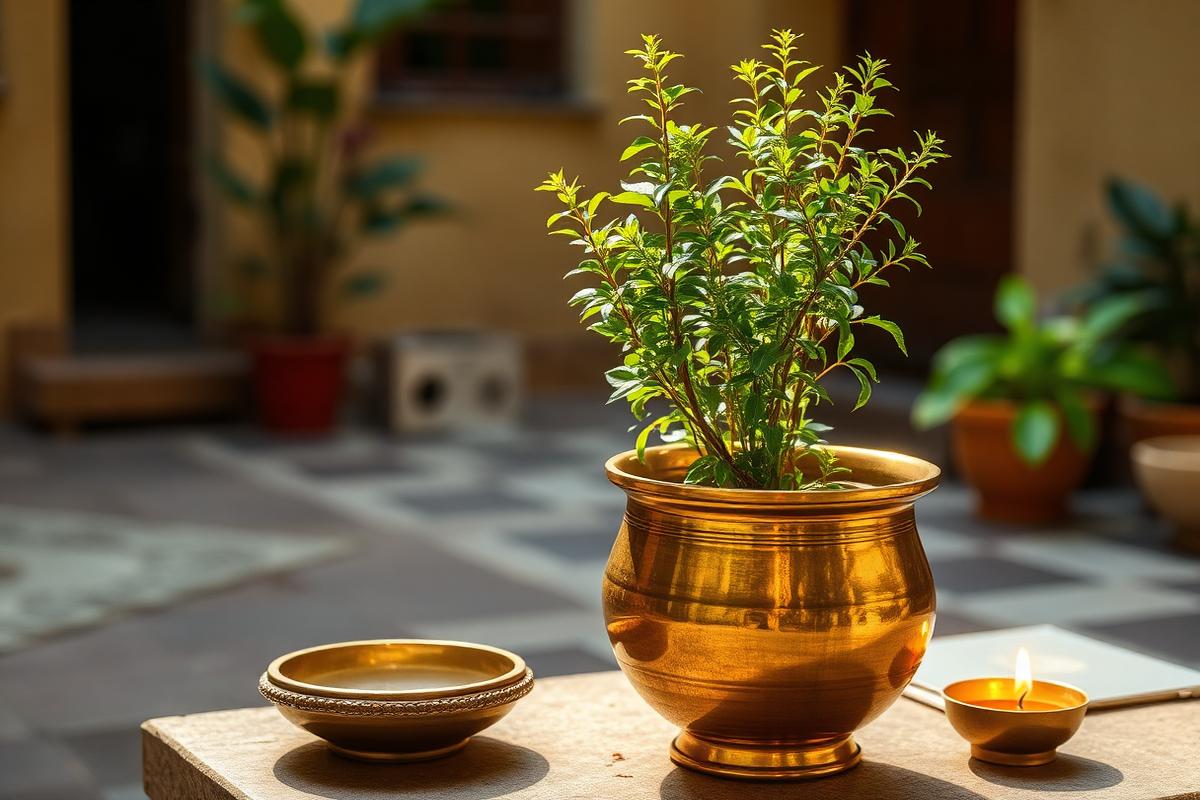
Within the body, the three prongs are linked to the three nadis - ida, pingala and sushumna - the subtle channels through which spiritual energy flows. When these are balanced, awareness rises through the sushumna toward liberation. On a deeper level, the Trishul is the weapon that destroys the three forms of suffering and pierces the ego, which is the root of all bondage. To surrender to Shiva's Trishul is to let go of the false sense of 'I' that separates us from the divine.
How Devotees Relate to the Trishul
For devotees, the Trishul is a sign of fearless protection and the courage to face life's three burdens. It is placed in Shiva temples, drawn at the entrance of homes and worn as a pendant to invoke his shielding presence. Many sadhus and Naga ascetics carry a physical trident as a mark of renunciation and their vow to conquer the lower self. Bowing before the Trishul, a devotee silently prays for the strength to cut through ego, fear and ignorance.
Shiva Mantra for the Trishul
While honouring the Trishul, devotees chant the great mantra:
Om Namah Shivaya
This five-syllable mantra (panchakshari) calls upon Shiva as the auspicious one who dissolves all that is impure. Some also recite Om Tryambakam (the Maha Mrityunjaya mantra) before the trident, praying for protection from untimely fear and the strength to overcome the three gunas. Chanting with a calm mind while visualising the Trishul is said to steady the will and clear inner conflict.
What People Ask Most
What does Shiva's Trishul symbolise?+
The Trishul symbolises the three gunas (sattva, rajas, tamas), the three functions of creation, preservation and destruction, and the three nadis. It is also the weapon that destroys the ego.
Why are there three prongs on the Trishul?+
The three prongs represent the three gunas, the three worlds and the three states of past, present and future, all held by Shiva who is their master and beyond them.
Is the Trishul a weapon or a spiritual symbol?+
It is both. As a weapon it destroys demons and protects dharma, and as a spiritual symbol it represents mastery over the gunas and the destruction of the ego.
How do the three nadis relate to the Trishul?+
The three prongs are linked to the ida, pingala and sushumna nadis. When these subtle channels are balanced, spiritual energy rises through the sushumna toward liberation.
Which mantra is chanted while honouring the Trishul?+
Devotees chant 'Om Namah Shivaya', the five-syllable mantra. Some also recite the Maha Mrityunjaya mantra before the trident for protection and inner strength.
Why do sadhus carry a Trishul?+
Sadhus and Naga ascetics carry a trident as a mark of renunciation and their vow to conquer the lower self, ego and worldly attachment, following Shiva as the supreme renunciate.
About the author
Anjali Mehta · Editor, M.A. Religious Studies
Anjali is the managing editor for Vandnaa and oversees the festival and vrat coverage. She holds an M.A. in Religious Studies and reviews every published article for accuracy, accessibility, and tradition-fidelity.
Meet the Vandnaa editorial team →Explore on Vandnaa
Related Articles
Significance of Shiva's Damru (Drum) - Meaning & Symbolism
8 min read
Significance of Shiva's Third Eye - Meaning & Symbolism
9 min read
Significance of the Snake Around Shiva's Neck - Meaning
9 min read
Significance of the Crescent Moon on Shiva - Meaning
8 min read
Om Namah Shivaya Mantra Benefits & Meaning (ॐ नमः शिवाय)
9 min read
Maha Mrityunjaya Mantra: Meaning & Benefits (महा मृत्युंजय मंत्र)
9 min read