Why Recite a Mantra While Bathing
In Hindu life, the morning bath (snan) is not only physical cleansing but a daily shuddhi (purification) that prepares the body and mind for prayer and work. Water is honoured as sacred, and the holiest waters of all are the great rivers. A snan mantra invites these rivers into your bath, so even tap or well water is treated as if it carried the grace of the Ganga. This small intention turns a routine wash into a sacred beginning of the day.
The Snan Mantra - Seven Sacred Rivers
The classic snan mantra invokes the seven holy rivers of India:
Gange cha Yamune chaiva, Godavari Saraswati. Narmade Sindhu Kaveri, jalesmin sannidhim kuru.
Meaning: O Ganga, Yamuna, Godavari, Saraswati, Narmada, Sindhu and Kaveri - please be present in this water. The prayer humbly asks the seven sacred rivers to come and dwell in the bath water, so the act of bathing becomes a holy tirtha snan, a bath in the rivers themselves.
When and How to Recite
1. Bathe ideally in the early morning, before sunrise or soon after, for the most auspicious effect. 2. Before pouring the first water over yourself, hold a little water in your palm or look at the bucket. 3. Chant Gange cha Yamune chaiva, Godavari Saraswati, Narmade Sindhu Kaveri, jalesmin sannidhim kuru. 4. Sprinkle that water on your head, then bathe with a calm, prayerful mind. 5. Some also chant 'Om Namah Shivaya' or their ishta devata mantra while bathing. A single sincere recitation is enough; the intention to receive the rivers' grace is what matters.
Significance and Benefits
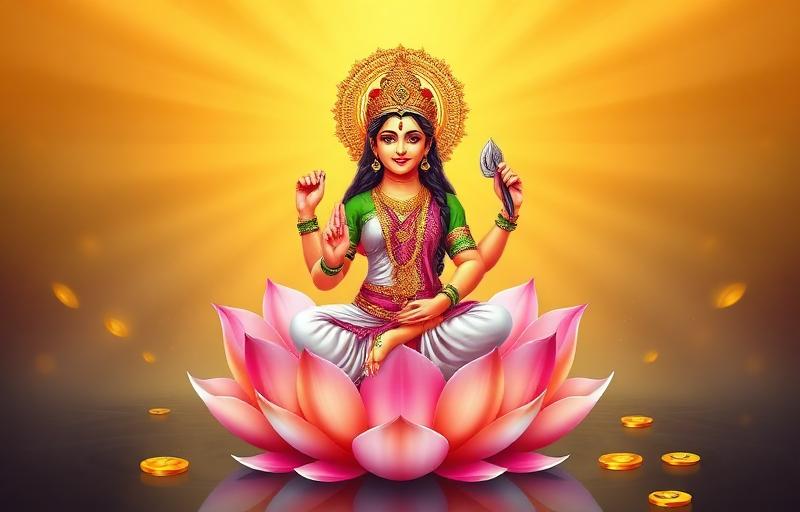
The snan mantra is believed to grant the merit of bathing in all seven sacred rivers without travelling to them, cleansing not just the body but the mind and subtle energies. It begins the day with humility, gratitude and a sense of the sacred, and helps wash away tiredness, negativity and the heaviness of sleep. Combined with a cold or fresh-water bath, the practice leaves one alert, calm and ready for prayer.
Snan Before Puja and Worship
Traditionally one should not enter the home temple or perform puja without a fresh bath, as cleanliness of body reflects readiness of mind. After the snan mantra, wear clean, preferably freshly washed clothes, and only then sit for prayer. On festivals, ekadashi, eclipses and special occasions, an early bath with this mantra is considered especially purifying and is a long-standing part of daily aachar (right conduct).
A Note on the Tradition
The seven rivers in the mantra are revered as living goddesses and tirthas (sacred crossings) across India, from the Ganga in the north to the Kaveri in the south. By naming them daily, even those far from any river keep a thread of connection to the country's holy waters. The practice teaches that sacredness is not in the place alone but in the heart and intention one brings to the simplest daily act.
What People Ask Most
What is the snan mantra to chant while bathing?+
The classic mantra is 'Gange cha Yamune chaiva, Godavari Saraswati, Narmade Sindhu Kaveri, jalesmin sannidhim kuru', inviting the seven holy rivers into the bath water.
Which seven rivers does the snan mantra name?+
It names the Ganga, Yamuna, Godavari, Saraswati, Narmada, Sindhu and Kaveri - the seven sacred rivers of India revered as living goddesses.
What does the snan mantra mean?+
It humbly asks the seven holy rivers to be present in the bath water, so that ordinary water carries their grace and the bath becomes a sacred tirtha snan.
When is the best time to recite the snan mantra?+
Early morning, before or soon after sunrise, is most auspicious. Chant it before pouring the first water and especially before puja, festivals or ekadashi.
Does the mantra work with tap or well water?+
Yes. The mantra invokes the rivers' presence into whatever water you use, so tap or well water is treated as carrying their grace. The intention and faith are what matter.
Why bathe before doing puja?+
A fresh bath cleanses the body and settles the mind, reflecting readiness for worship. Traditionally one wears clean clothes after the snan mantra before entering the home temple.
About the author
Acharya Vinaya Kapoor · M.A. Sanskrit, Mantra & Stotra Studies
Acharya Vinaya holds an M.A. in Sanskrit from Banaras Hindu University and writes the mantra and stotra commentary on Vandnaa. Her focus is on accurate pronunciation, traditional context, and helping modern readers connect with classical texts.
Meet the Vandnaa editorial team →Explore on Vandnaa
Related Articles

Morning Wake-Up Mantra (Karagre Vasate) & Vidhi
8 min read
Bhojan Mantra Before Eating - Lyrics & Significance
8 min read
Temple Entry Prayer & Mantra - Vidhi
9 min read
Diya Jalane Ka Mantra (Deep Prajwalan) & Vidhi
8 min read

Gayatri Mantra Meaning, Benefits & How to Chant (गायत्री मंत्र)
12 min read

Om Namah Shivaya Mantra Benefits & Meaning (ॐ नमः शिवाय)
9 min read